
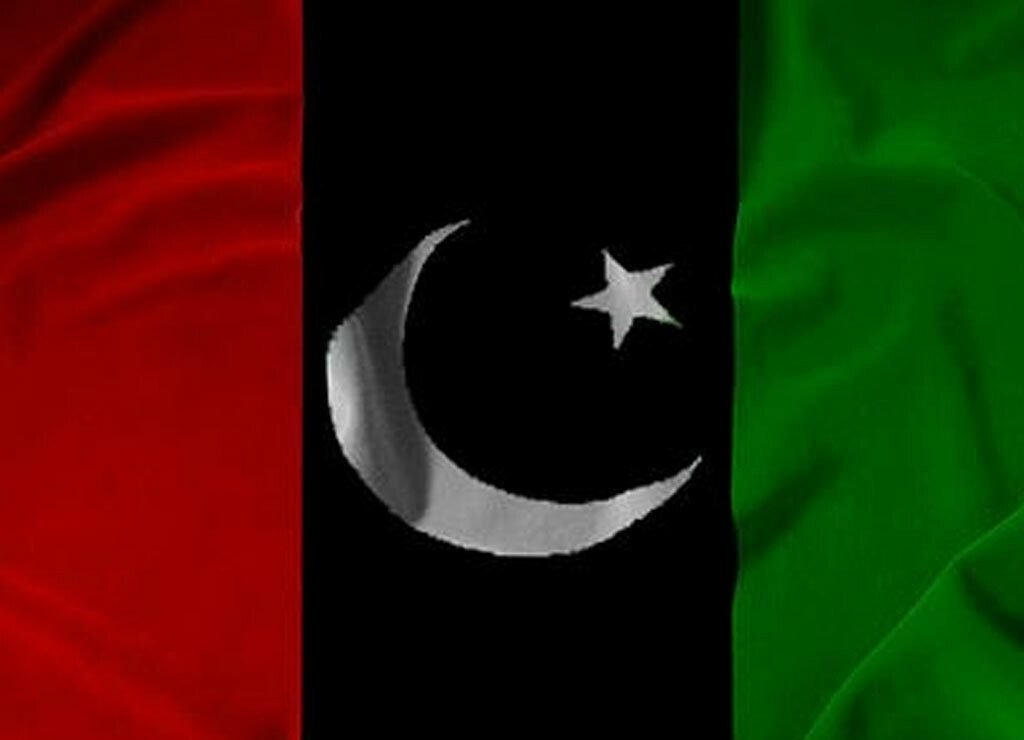
LAHORE — The Pakistan Peoples Party (PPP) has announced plans to observe July 5 as a Black Day across the nation, commemorating the anniversary of the 1977 military coup that ousted the democratic government. This observance aims to reaffirm the party’s dedication to democratic principles and constitutional supremacy.
What Happened
The PPP has scheduled a series of events for Sunday, July 5, to mark the somber occasion of the military coup led by General Zia-ul-Haq, which deposed then Prime Minister Zulfikar Ali Bhutto. The coup marked a significant turning point in Pakistan’s history, leading to an extended period of military rule. According to a spokesperson for the PPP, the party will organize seminars, prayer gatherings, and protest programs nationwide to highlight the importance of democracy and the rule of law.
These events are intended to remind the public of the consequences of the 1977 coup and to emphasize the need for vigilance in protecting democratic institutions. The PPP’s leadership, including prominent figures from the Bhutto family, is expected to participate actively in these observances, delivering speeches and engaging with party workers and supporters.
The party’s decision to hold these events is rooted in its historical struggle for democracy and its opposition to military interventions in politics. The PPP has long championed the cause of civilian supremacy and has been a vocal critic of military influence in governance.
Background
The 1977 military coup was a pivotal event in Pakistan’s political history. On July 5, 1977, General Zia-ul-Haq overthrew the government of Prime Minister Zulfikar Ali Bhutto, citing alleged electoral malpractices and civil unrest. This coup led to the imposition of martial law and the suspension of the constitution, ushering in an era of authoritarian rule that lasted until Zia’s death in 1988.
Zulfikar Ali Bhutto, the founder of the PPP, was subsequently tried and executed in 1979, a move that was widely condemned internationally and viewed as politically motivated. The coup and its aftermath had long-lasting impacts on Pakistan’s political landscape, including the suppression of political dissent and the curtailment of civil liberties.
The PPP has consistently commemorated July 5 as a Black Day to honor the memory of Zulfikar Ali Bhutto and to renew its commitment to the democratic process. The party views this observance as a reminder of the sacrifices made by its leaders and supporters in the struggle for democracy.
Why It Matters
The observance of July 5 as a Black Day holds significant political and historical importance for Pakistan. It serves as a reminder of the fragility of democratic institutions and the potential consequences of military interventions in politics. The PPP’s activities on this day aim to educate the public about the dangers of authoritarianism and the importance of safeguarding democratic values.
Economically, the 1977 coup had far-reaching effects, as it disrupted political stability and led to policies that prioritized military interests over civilian development. The ensuing period of military rule saw a shift in economic priorities, with increased defense spending and reduced focus on social welfare programs.
Socially, the coup and subsequent military rule curtailed freedoms and stifled political expression, leading to a culture of fear and censorship. The PPP’s commemoration of this day serves as a call to action for citizens to remain vigilant and to advocate for democratic rights and freedoms.
Internationally, the observance of July 5 as a Black Day underscores Pakistan’s ongoing struggle with civil-military relations and the challenges of consolidating democratic governance. It highlights the need for continued efforts to strengthen democratic institutions and to ensure civilian oversight of the military.
Key Takeaways
- The PPP will observe July 5 as a Black Day to commemorate the 1977 military coup.
- Events include seminars, prayer gatherings, and protests to emphasize democratic values.
- The 1977 coup led to a prolonged period of military rule in Pakistan.
- The observance serves as a reminder of the importance of protecting democratic institutions.
- It highlights the need for vigilance against authoritarianism and military interventions.
Source Attribution
This article is based on official statements from the Pakistan Peoples Party and public communications from relevant authorities.














