
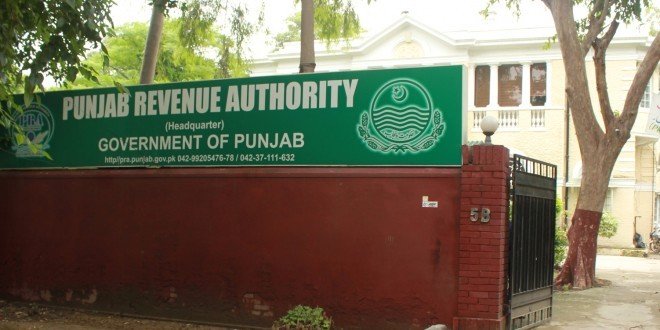
LAHORE — Punjab Revenue Authority (PRA) Chairman Moazzam Iqbal Sipra met with representatives from the Travel Agents Association of Pakistan on Wednesday to address ongoing taxation issues. The meeting focused on the implications of the Punjab Sales Tax on Services for travel agents and tour operators.
What Happened
The meeting, held in Lahore, brought together key stakeholders from the travel industry and the provincial tax authority to discuss concerns related to the Punjab Sales Tax on Services. Travel agents and tour operators have been vocal about the challenges posed by the current taxation framework, which they argue is burdensome and affects their operational efficiency.
Moazzam Iqbal Sipra, the PRA Chairman, acknowledged the concerns raised by the travel agents and assured them of the authority’s commitment to finding a balanced solution. “We are aware of the issues faced by the travel industry and are open to discussions to make the tax system more conducive for business,” said Sipra during the meeting.
The representatives from the Travel Agents Association of Pakistan highlighted specific areas where they seek relief, including the tax rates and the administrative burden of compliance. They argued that the current tax regime could potentially stifle growth in the travel sector, which is still recovering from the impacts of the COVID-19 pandemic.
The PRA Chairman promised to review the existing policies and consider the suggestions put forth by the travel agents. He emphasized the importance of collaboration between the government and the private sector to ensure a fair and effective taxation system.
Background
The Punjab Sales Tax on Services was introduced as part of the provincial government’s efforts to increase revenue through indirect taxation. Travel agents and tour operators are subject to this tax, which is levied on the services they provide. The tax rate and compliance requirements have been a point of contention, leading to calls for reform from industry stakeholders.
Historically, the travel industry in Pakistan has faced various regulatory challenges, including taxation issues. The sector is a significant contributor to the economy, providing employment and facilitating tourism, which is a vital source of foreign exchange. However, the imposition of high taxes has often been criticized for hindering the growth of this industry.
Why It Matters
The dialogue between the PRA and the travel agents is crucial as it signals a potential shift towards a more business-friendly tax environment in Punjab. The travel industry plays a pivotal role in the economy, and any measures that ease the tax burden could lead to increased investment and job creation.
For travel agents, a reduction in tax rates or a simplification of compliance procedures could significantly enhance their competitiveness. This is particularly important in the post-pandemic era, where the travel sector is striving to regain its footing amid changing consumer behaviors and global travel restrictions.
Economically, a thriving travel industry can boost tourism, leading to increased revenue for both the private sector and the government. Politically, addressing the concerns of the travel industry could enhance the provincial government’s image as a pro-business administration, potentially attracting more investment into the region.
Internationally, a more favorable tax regime could position Punjab as a more attractive destination for tourists, thereby increasing its global tourism footprint. This could have a ripple effect on related sectors such as hospitality, transport, and retail, further bolstering economic growth.
Key Takeaways
- PRA Chairman Moazzam Iqbal Sipra met with travel agents to discuss taxation issues.
- The meeting focused on the Punjab Sales Tax on Services and its impact on the travel industry.
- Travel agents seek relief from high tax rates and complex compliance requirements.
- The PRA is open to reviewing policies to create a more business-friendly tax environment.
- A favorable tax regime could boost investment and growth in Punjab’s travel sector.
Source Attribution
This article is based on official government statements, press releases, and public communications from relevant authorities.














