
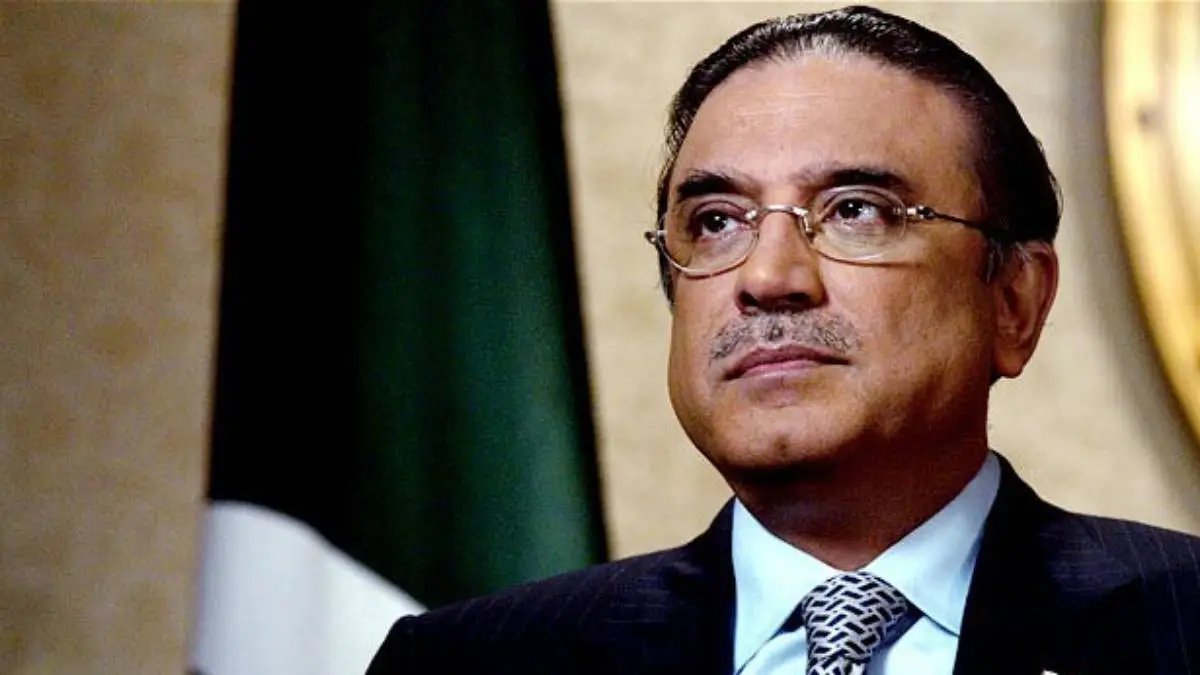
ISLAMABAD — President Asif Ali Zardari has reiterated Pakistan’s unwavering support for the people of Indian Illegally Occupied Jammu and Kashmir (IIOJK) on the occasion of Youm-e-Istehsal Kashmir, observed on August 5. This day marks the anniversary of India’s revocation of the special status of Jammu and Kashmir, a move that has been widely condemned by Pakistan and viewed as a violation of international law.
What Happened
President Zardari, in a statement issued from Islamabad, emphasized the resilience and determination of the Kashmiri people in their struggle for self-determination. He paid tribute to their courage and commitment, highlighting that despite facing severe hardships, the people of IIOJK continue to strive for their rights. “Seven years have passed since India’s illegal actions in Jammu and Kashmir, and yet the resolve of the Kashmiri people remains unbroken,” he stated.
The President’s message comes as Pakistan observes Youm-e-Istehsal, a day of solidarity with the Kashmiri people. The day is marked by various activities across Pakistan, including rallies, seminars, and discussions aimed at raising awareness about the Kashmir issue and garnering international support for the Kashmiri cause.
In his address, President Zardari called on the international community to take notice of the human rights violations in IIOJK. He urged global leaders to play their role in ensuring that the people of Kashmir are granted their right to self-determination as per United Nations resolutions. “The international community must not remain silent in the face of such grave injustices,” he added.
Background
The Kashmir conflict dates back to 1947 when the partition of British India led to the creation of India and Pakistan. Both countries have laid claim to the entire region of Jammu and Kashmir, leading to several wars and ongoing tensions. In August 2019, the Indian government abrogated Article 370, which granted special autonomy to Jammu and Kashmir, and bifurcated the state into two union territories.
This move was met with widespread protests and criticism from Pakistan and other countries, as well as human rights organizations. The revocation of the special status has been followed by a series of security and communication lockdowns in the region, exacerbating the humanitarian situation and drawing international concern.
Why It Matters
The Kashmir issue remains one of the most contentious and enduring conflicts in South Asia, with significant implications for regional stability and international relations. The ongoing tensions between India and Pakistan, both nuclear-armed nations, pose a constant threat to peace in the region.
For Pakistan, the Kashmir cause is a central element of its foreign policy and national identity. The government’s consistent support for the Kashmiri people’s right to self-determination is seen as a moral and diplomatic imperative. The observance of Youm-e-Istehsal serves to reinforce Pakistan’s commitment to this cause and to remind the international community of the unresolved status of Kashmir.
Economically, the conflict has hindered development and prosperity in the region, affecting millions of lives. The human rights situation in IIOJK, including reports of arbitrary detentions, communication blackouts, and restrictions on freedom of movement, continues to draw criticism from international human rights bodies.
Key Takeaways
- President Zardari reaffirmed Pakistan’s solidarity with the people of IIOJK on Youm-e-Istehsal Kashmir.
- The President called for international intervention to address human rights violations in Kashmir.
- Youm-e-Istehsal marks the anniversary of India’s revocation of Jammu and Kashmir’s special status.
- The Kashmir conflict remains a significant issue affecting regional stability in South Asia.
- Pakistan continues to advocate for the Kashmiri people’s right to self-determination.
Source Attribution
This article is based on official statements and public communications from the Government of Pakistan.














