
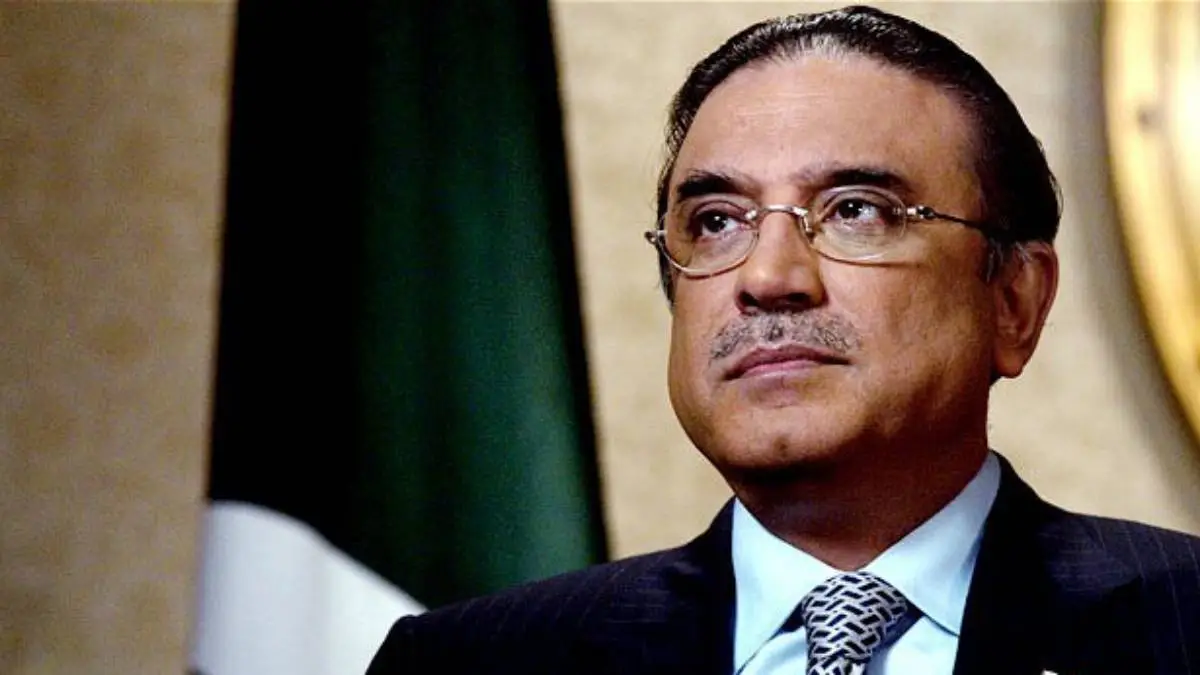
ISLAMABAD — President Asif Ali Zardari has urged a unified national effort to combat human trafficking, emphasizing the need for a relentless and global response. His call comes on the occasion of World Day Against Trafficking in Persons, observed annually on July 30, highlighting the issue as one of the most severe human rights violations of the modern era.
What Happened
In a message issued to mark World Day Against Trafficking in Persons, President Asif Ali Zardari called for a united and persistent approach to combat human trafficking. He described the crime as a grave violation of human rights that necessitates immediate and comprehensive action from both national and international communities. The President emphasized the importance of collaboration among countries to dismantle trafficking networks and protect vulnerable individuals from exploitation.
President Zardari’s statement underscored the need for robust legal frameworks and stringent enforcement mechanisms to effectively address the menace of trafficking. He highlighted that human trafficking not only affects individuals but also undermines societal structures and economic stability. “Human trafficking is a crime that strips individuals of their dignity and freedom, and it is imperative that we join forces to eradicate this atrocity,” he stated.
The President also called for increased awareness and education to prevent trafficking, urging governments, civil society, and international organizations to intensify their efforts in this regard. He stressed the importance of providing support and rehabilitation for victims, enabling them to reintegrate into society with dignity and respect.
Background
Human trafficking is a global issue that affects millions of people each year. According to the United Nations Office on Drugs and Crime (UNODC), trafficking in persons is a lucrative criminal activity, generating billions of dollars annually for traffickers. The crime often involves the exploitation of vulnerable individuals, including women and children, for purposes such as forced labor, sexual exploitation, and organ trafficking.
Pakistan has been identified as both a source and destination country for human trafficking. The country has made strides in addressing the issue through legislative measures and international cooperation. The Prevention of Trafficking in Persons Act, 2018, is a significant legal framework aimed at combating trafficking and protecting victims. However, challenges remain in terms of enforcement and victim support.
Why It Matters
The President’s call for a unified effort against human trafficking is significant due to the widespread impact of the crime on individuals and society. Human trafficking not only violates fundamental human rights but also poses a threat to national security and economic development. Trafficking networks often operate across borders, requiring coordinated international efforts to dismantle them effectively.
For Pakistan, addressing human trafficking is crucial for improving its international standing and fulfilling its commitments under international human rights treaties. The country’s efforts to combat trafficking can enhance its reputation as a responsible member of the global community, committed to upholding human rights and the rule of law.
Moreover, tackling human trafficking can have positive economic implications by ensuring that individuals are not exploited and can contribute productively to society. By protecting vulnerable populations, Pakistan can foster a more equitable and just society, promoting social cohesion and stability.
Key Takeaways
- President Asif Ali Zardari calls for a unified national and global response to combat human trafficking.
- Human trafficking is described as a grave violation of human rights requiring immediate action.
- Pakistan has legal frameworks in place, but challenges remain in enforcement and victim support.
- Addressing trafficking is crucial for Pakistan’s international reputation and economic stability.
- Global cooperation is essential to dismantle trafficking networks and protect vulnerable individuals.
Source Attribution
This article is based on official government statements, press releases, and public communications from relevant authorities.














