
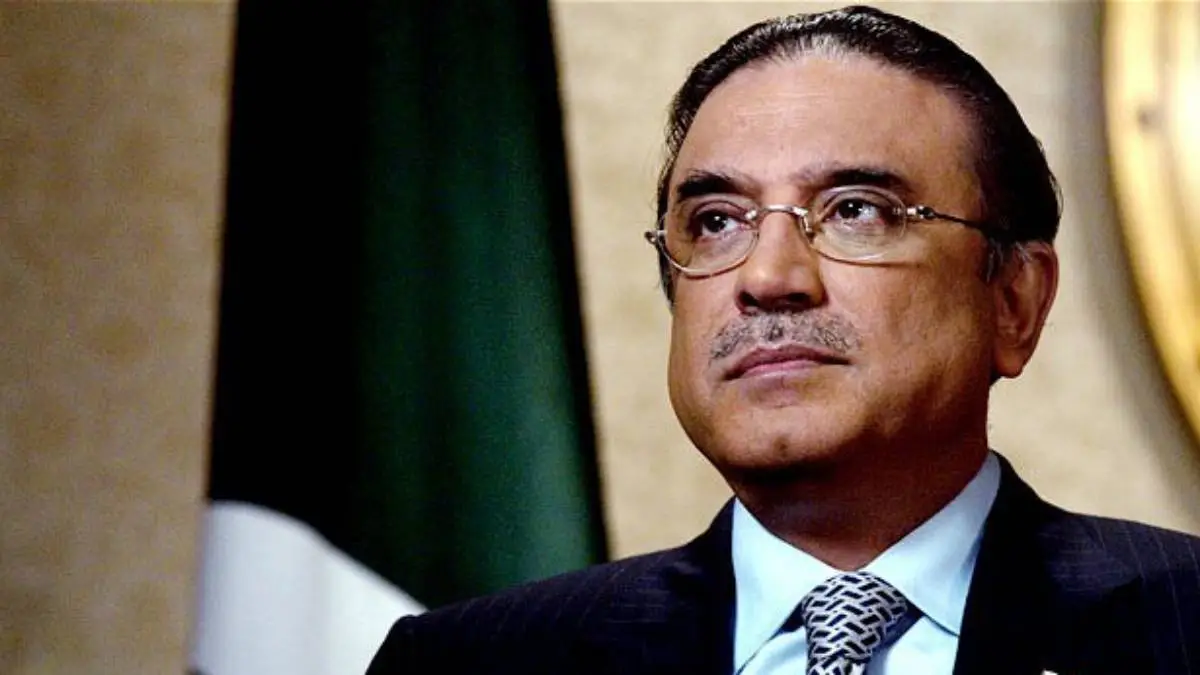
ISLAMABAD — President Asif Ali Zardari emphasized the need for a structured and survivor-focused support system for victims of terrorism, underscoring the importance of providing assistance as a matter of justice and national duty. This statement was made during a recent address aimed at highlighting the plight of those affected by terrorism across Pakistan.
What Happened
In a recent address, President Asif Ali Zardari called for the establishment of a comprehensive support system for victims of terrorism in Pakistan. He stressed that the assistance provided to these individuals and their families should be viewed as an obligation rooted in justice and human dignity, rather than as an act of charity. The President highlighted the need for a coordinated approach that ensures sustained support for those affected by terrorism, which has been a persistent issue in the country.
President Zardari’s remarks come at a time when Pakistan continues to grapple with the aftermath of numerous terrorist attacks that have left thousands of families in distress. He stated, “The support for victims of terrorism is not merely a charitable act but a national responsibility that reflects our commitment to justice and human dignity.” The President urged government agencies, non-governmental organizations, and international partners to collaborate in creating a robust framework that addresses the immediate and long-term needs of terrorism survivors.
Background
Pakistan has been one of the countries most affected by terrorism over the past two decades. The country has witnessed numerous attacks targeting civilians, security forces, and infrastructure, resulting in significant loss of life and property. The government has implemented various measures to combat terrorism, including military operations and legal reforms. However, the focus on providing comprehensive support to victims has often been overshadowed by security concerns.
Historically, support for terrorism victims in Pakistan has been inconsistent, with many families struggling to access financial assistance, healthcare, and psychological support. The absence of a centralized system has led to fragmented efforts, often leaving survivors to fend for themselves. President Zardari’s call for a survivor-centred approach aims to address these gaps by fostering a more organized and empathetic response to the needs of affected individuals and communities.
Why It Matters
The President’s call for a coordinated support system is significant for several reasons. Firstly, it acknowledges the ongoing challenges faced by terrorism victims and recognizes their right to receive adequate support. By framing assistance as a matter of justice and dignity, the President is advocating for a shift in perspective that prioritizes the well-being of survivors.
Economically, a structured support system could alleviate the financial burdens faced by affected families, enabling them to rebuild their lives and contribute to society. Socially, it could foster a sense of community and resilience, as survivors receive the necessary resources to heal and integrate back into society. Politically, this initiative could enhance Pakistan’s international standing by demonstrating a commitment to human rights and social justice.
Furthermore, the establishment of a survivor-focused support system could serve as a model for other countries facing similar challenges. By prioritizing the needs of victims, Pakistan could set a precedent for how nations address the aftermath of terrorism, emphasizing the importance of empathy and responsibility in the recovery process.
Key Takeaways
- President Zardari calls for a coordinated, survivor-centred support system for terrorism victims.
- Assistance to victims is framed as a matter of justice, dignity, and national responsibility.
- Pakistan has faced significant challenges in providing consistent support to terrorism survivors.
- A structured support system could have economic, social, and political benefits for the country.
- This initiative could serve as a model for other nations dealing with terrorism’s aftermath.
Source Attribution
This article is based on official government statements and public communications from relevant authorities.














