
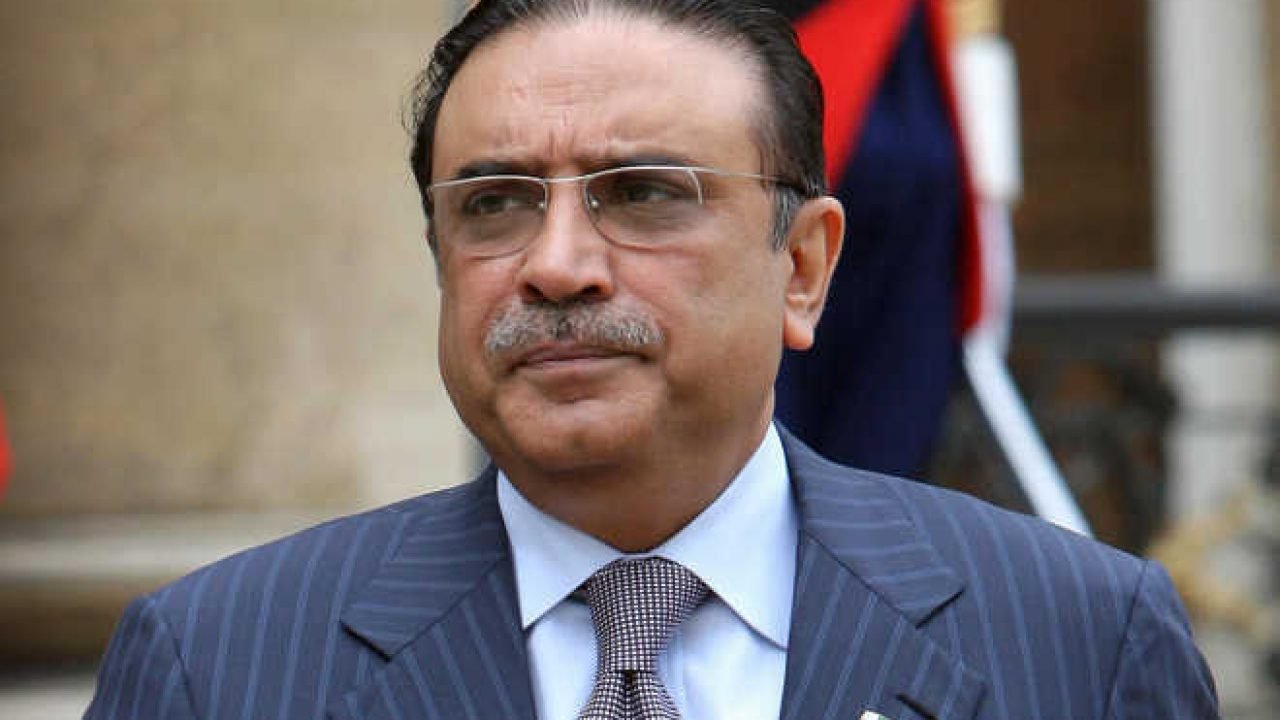
ISLAMABAD — On June 23, President Asif Ali Zardari commemorated the ‘International Day of Women in Diplomacy’ by honoring women for their pivotal roles in fostering international dialogue and cooperation. He emphasized their significant impact on strengthening global engagement and resolving conflicts.
Recognition of Women’s Contributions
President Asif Ali Zardari, in a statement from Islamabad, acknowledged the invaluable contributions women have made to diplomacy. During the ‘International Day of Women in Diplomacy,’ he praised their efforts in advancing dialogue, understanding, and cooperation among nations. President Zardari highlighted that these women have been instrumental in supporting peaceful dispute resolution, often in challenging and uncertain circumstances.
The President stated, “Their work has strengthened international engagement and supported the peaceful resolution of disputes in difficult and often uncertain circumstances.” This recognition is part of a broader initiative to appreciate the role of women in various fields, particularly in diplomacy, where their contributions have been significant yet sometimes underappreciated.
Global Efforts for Gender Equality
President Zardari’s tribute is aligned with global efforts to underline the importance of gender equality in diplomatic roles. The ‘International Day of Women in Diplomacy’ serves as a reminder of the progress made and the challenges that remain in achieving equal representation in international relations.
Historical Context and Progress
The ‘International Day of Women in Diplomacy’ is observed globally to recognize women’s contributions to diplomatic services. It aims to promote gender equality and empower women in leadership roles within international relations. Historically, diplomacy has been male-dominated, but recent years have seen a shift towards more inclusive representation.
In Pakistan, women’s roles in diplomacy have evolved significantly. Women diplomats have been at the forefront of numerous key negotiations and peacekeeping efforts, both regionally and globally. The government’s commitment to gender equality in diplomatic services is reflected in policies and initiatives aimed at increasing female representation in the Foreign Service.
Why Recognition Matters
Recognition of women in diplomacy by President Zardari is not just ceremonial but a critical acknowledgment of their role in shaping international relations. Women’s participation in diplomacy brings diverse perspectives and approaches to conflict resolution, essential in today’s complex geopolitical landscape.
Economically, empowering women in diplomacy can lead to comprehensive and sustainable policy outcomes. Studies show that gender-diverse teams are more effective in decision-making, resulting in robust international agreements and collaborations.
Socially, this recognition helps dismantle stereotypes and encourages more women to pursue diplomatic careers. It sends a strong message about the value of inclusivity and equality in all sectors, including those traditionally dominated by men.
Impact on Pakistan’s International Image
Internationally, Pakistan’s emphasis on gender equality in diplomacy enhances its image as a progressive nation committed to global norms and values. This can improve bilateral and multilateral relations, opening doors for more collaborative efforts on issues like climate change, trade, and security.
Key Takeaways
- President Zardari honored women diplomats on the ‘International Day of Women in Diplomacy’ for their contributions to global dialogue and cooperation.
- Women in diplomacy have played crucial roles in conflict resolution and strengthening international engagement.
- The recognition highlights the importance of gender equality in diplomatic services.














