
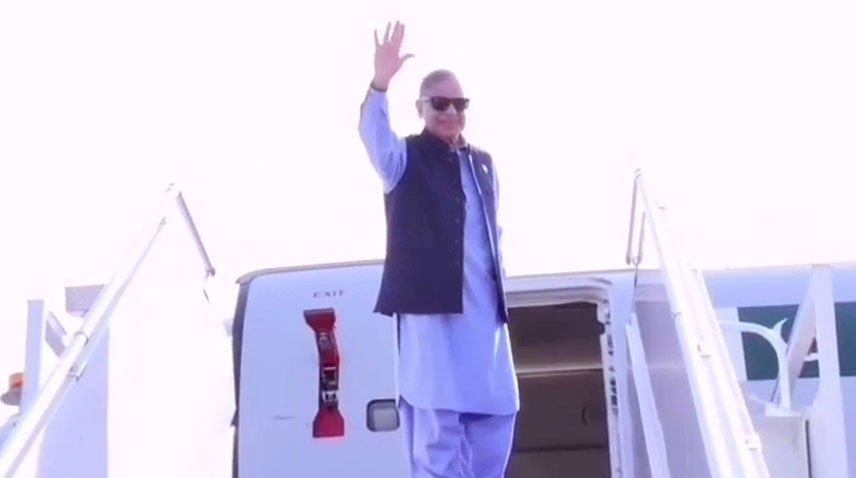
ISLAMABAD — Prime Minister Shehbaz Sharif returned to Pakistan on Saturday after concluding his official visit to the Kingdom of Saudi Arabia. The Prime Minister was seen off at Madinah Airport by Governor of Madinah, Prince Salman bin Sultan bin Abdulaziz Al Saud, marking the end of his diplomatic engagement in the region.
What Happened
Prime Minister Shehbaz Sharif’s visit to Saudi Arabia was part of an ongoing effort to strengthen bilateral relations between the two nations. During his stay, the Prime Minister engaged in a series of high-level meetings with Saudi officials, focusing on economic cooperation, investment opportunities, and regional security issues. The discussions aimed to enhance the strategic partnership that has historically existed between Pakistan and Saudi Arabia.
According to the Prime Minister’s Office Media Wing, the visit included meetings with key figures in the Saudi government, where various agreements and memoranda of understanding were discussed. These agreements are expected to pave the way for increased Saudi investment in Pakistan, particularly in the energy and infrastructure sectors. The Prime Minister also performed Umrah and visited the Prophet’s Mosque in Madinah, reflecting the cultural and religious ties that bind the two countries.
The Prime Minister’s delegation included senior officials from the Ministry of Foreign Affairs and other relevant departments, ensuring a comprehensive dialogue on multiple fronts. The visit was described as fruitful and productive, with both sides expressing optimism about future collaborations.
Background
Pakistan and Saudi Arabia have long-standing diplomatic and economic ties, with Saudi Arabia being one of Pakistan’s major trading partners. The relationship has been characterized by mutual support and cooperation in various international forums. Historically, Saudi Arabia has provided financial aid and oil supply on deferred payments to Pakistan, which has been crucial during economic challenges.
The visit comes at a time when Pakistan is seeking to bolster its economy through foreign investments and strengthen its geopolitical alliances. Previous visits by Pakistani leaders to Saudi Arabia have often resulted in significant economic agreements and aid packages, underscoring the importance of these diplomatic engagements.
Why It Matters
The Prime Minister’s visit to Saudi Arabia holds significant implications for Pakistan’s economic and diplomatic landscape. Strengthening ties with Saudi Arabia is crucial for Pakistan, given the kingdom’s influence in the region and its role as a leading member of the Organization of Islamic Cooperation (OIC). Enhanced cooperation can lead to increased foreign direct investment, which is vital for Pakistan’s economic growth and stability.
Economically, Saudi investment in Pakistan’s energy sector could help address the country’s chronic energy shortages, boosting industrial productivity and economic output. Additionally, infrastructure projects supported by Saudi funds can lead to improved connectivity and development, particularly in underdeveloped regions.
Politically, maintaining a strong alliance with Saudi Arabia can provide Pakistan with a strategic advantage in regional and international affairs. As Pakistan navigates complex geopolitical dynamics, support from a key ally like Saudi Arabia can bolster its position on issues such as Kashmir and its role in the Muslim world.
Key Takeaways
- Prime Minister Shehbaz Sharif concluded his official visit to Saudi Arabia, focusing on economic and diplomatic ties.
- The visit included discussions on investment opportunities in Pakistan’s energy and infrastructure sectors.
- Saudi Arabia has historically been a key ally and economic partner for Pakistan, providing financial aid and support.
- The visit aims to strengthen bilateral relations and enhance Pakistan’s strategic position in the region.
- Increased Saudi investment could significantly impact Pakistan’s economic growth and stability.
Source Attribution
This article is based on official government statements, press releases, and public communications from relevant authorities.














