
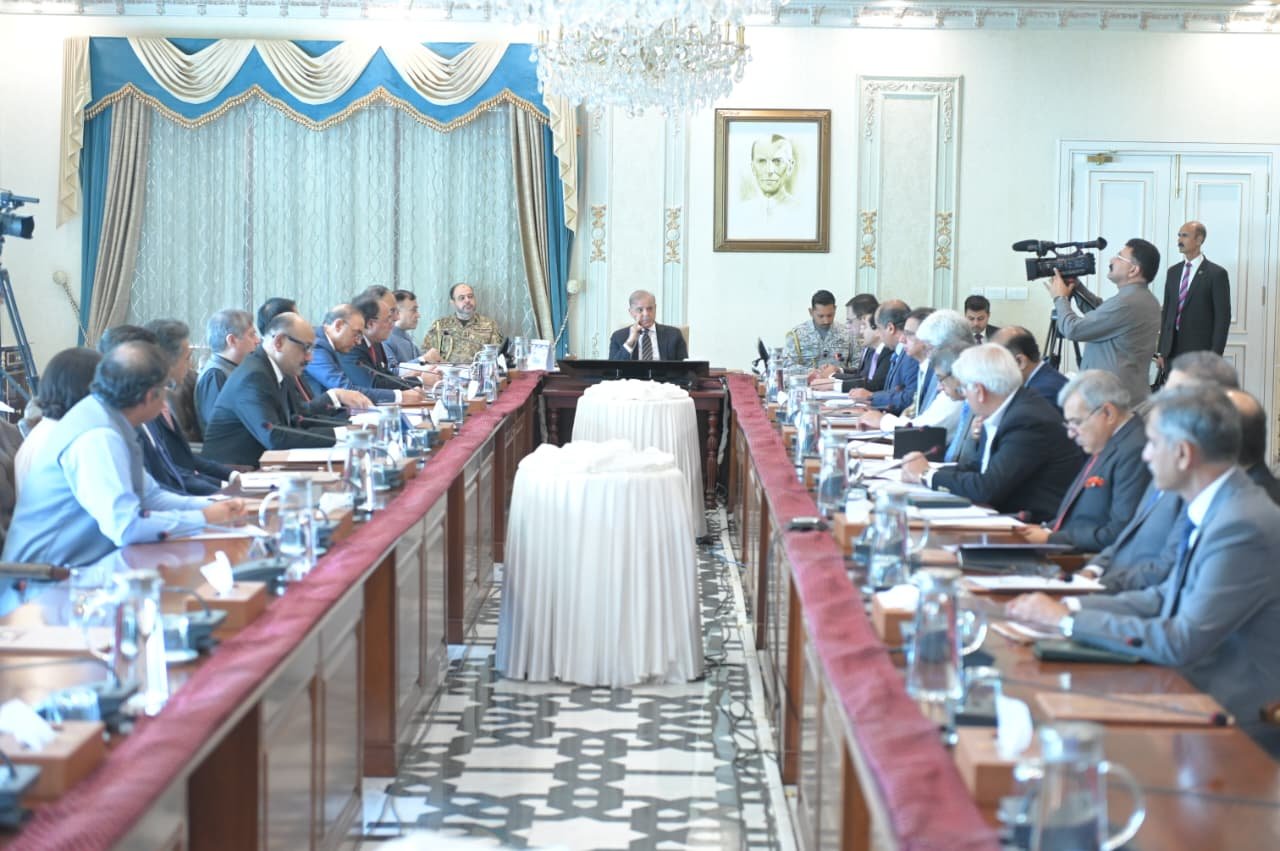
ISLAMABAD — Prime Minister Shehbaz Sharif has emphasized the critical need for upgrading Pakistan’s oil refineries to bolster energy security and reduce reliance on fuel imports. He has directed the implementation of reforms to enhance the Oil and Gas Regulatory Authority’s (OGRA) performance, aiming to foster competition, transparency, and investment in the energy sector.
What Happened
During a high-level meeting in Islamabad, Prime Minister Shehbaz Sharif highlighted the importance of modernizing the country’s oil refineries. He stressed that such upgrades are essential for ensuring energy security and decreasing the nation’s dependence on imported fuels. The prime minister instructed relevant authorities to introduce reforms within OGRA to align with market demands, which would promote a more competitive and transparent energy sector.
Prime Minister Sharif stated, “The upgradation of oil refineries is vital for our energy security and for reducing our fuel import bill.” He underscored the need for strategic investments in the energy sector to achieve self-sufficiency and sustainability. The meeting was attended by key officials from the Ministry of Energy, OGRA, and other stakeholders in the energy industry.
The prime minister’s directives come amid rising global energy prices and increasing pressure on Pakistan’s foreign exchange reserves due to substantial fuel import bills. The government is seeking to mitigate these challenges by enhancing domestic refining capacity and efficiency.
Background
Pakistan’s energy sector has long been plagued by inefficiencies, outdated infrastructure, and heavy reliance on imported fuels. The country’s refineries, many of which were established decades ago, struggle to meet modern environmental and efficiency standards. This has led to increased importation of refined petroleum products, placing a significant burden on the national economy.
OGRA, established in 2002, is responsible for regulating the oil and gas industry in Pakistan. However, it has faced criticism over the years for its perceived lack of effectiveness in promoting competition and transparency within the sector. The proposed reforms aim to address these issues, aligning OGRA’s operations with international standards and best practices.
Why It Matters
The modernization of oil refineries is crucial for Pakistan’s economic stability and energy independence. By reducing reliance on imported fuels, the country can save valuable foreign exchange reserves, which are currently under strain due to high import bills. This move could also lead to more stable fuel prices domestically, benefiting consumers and businesses alike.
Enhancing the capacity and efficiency of local refineries would also create new job opportunities and stimulate economic growth. The energy sector is a significant contributor to Pakistan’s GDP, and improvements in this area could have a ripple effect across other industries.
Furthermore, aligning OGRA’s regulatory framework with international standards could attract foreign investment, bringing in much-needed capital and expertise to the sector. This could lead to technological advancements and increased competitiveness in the global energy market.
On a broader scale, achieving energy self-sufficiency is a strategic objective for Pakistan, reducing vulnerability to external shocks such as fluctuating global oil prices. It also aligns with global trends towards sustainable energy practices and reducing carbon footprints.
Key Takeaways
- Prime Minister Shehbaz Sharif has called for the modernization of Pakistan’s oil refineries to enhance energy security.
- Reforms are directed at improving OGRA’s performance to promote competition and transparency in the energy sector.
- Upgrading refineries could reduce Pakistan’s reliance on imported fuels, easing pressure on foreign exchange reserves.
- Improved energy infrastructure is expected to create jobs and stimulate economic growth.
- Aligning with international standards could attract foreign investment and technological advancements.
Source Attribution
This article is based on official government statements, press releases, and public communications from relevant authorities.














