
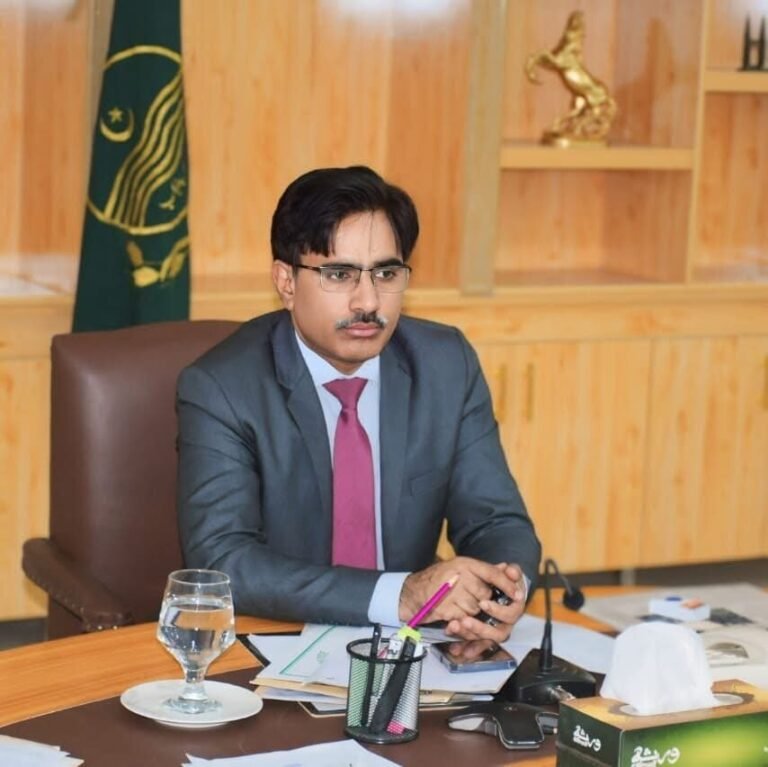
LODHRAN — A meeting of the District Scrutiny Committee, chaired by Deputy Commissioner Muhammad Ashraf, was convened to evaluate applications for the Punjab Chief Minister’s internship program aimed at supporting 1,500 agricultural graduates across the province. The session, held on August 16, focused on assessing the eligibility of applicants for the initiative designed to enhance agricultural skills and employment opportunities.
What Happened
The meeting was a critical step in the selection process for the Punjab Chief Minister’s internship program, which seeks to provide practical training to agricultural graduates. Deputy Director Agriculture (Extension) Malik Muhammad Zafar briefed the committee, revealing that 156 applications had been received for the 33 available internship positions in the district. The scrutiny process involved a thorough examination of each application to ensure that only the most qualified candidates are selected for the program.
The internship program is part of a broader effort by the Punjab government to bolster the agricultural sector by equipping young graduates with the necessary skills and experience. Deputy Commissioner Muhammad Ashraf emphasized the importance of transparency and merit in the selection process, stating, “We are committed to ensuring that the most deserving candidates benefit from this program, which is vital for the future of our agricultural sector.”
Background
The Punjab Chief Minister’s internship program was launched as a strategic initiative to address the gap between academic knowledge and practical skills in the agricultural sector. The program provides graduates with hands-on experience in various agricultural practices, aiming to enhance their employability and contribute to the sector’s growth. This initiative is part of the Punjab government’s broader agricultural policy, which focuses on modernizing farming techniques and increasing productivity.
Historically, the agricultural sector in Punjab has been a significant contributor to Pakistan’s economy, providing employment to a large portion of the population. However, challenges such as outdated farming methods and a lack of skilled labor have hindered its potential. The internship program is designed to address these issues by fostering a new generation of skilled agricultural professionals.
Why It Matters
The Punjab Chief Minister’s internship program holds significant economic and social implications for the province and the country at large. By equipping agricultural graduates with practical skills, the program aims to enhance productivity and innovation within the sector, which is crucial for Pakistan’s economic stability and growth. As agriculture remains a backbone of the national economy, improving its efficiency can lead to increased food security and export potential.
Socially, the program provides young graduates with valuable career opportunities, reducing unemployment and fostering economic independence. This initiative is particularly important in rural areas, where job opportunities are often limited. By investing in the education and training of young professionals, the Punjab government is laying the groundwork for sustainable development and poverty alleviation.
Moreover, the program’s focus on transparency and merit in the selection process sets a positive precedent for government initiatives, promoting trust and accountability. This approach ensures that public resources are utilized effectively, benefiting those who are most capable of contributing to the sector’s advancement.
Key Takeaways
- The Punjab Chief Minister’s internship program aims to train 1,500 agricultural graduates across the province.
- 156 applications were received for 33 internship positions in Lodhran district.
- The program seeks to bridge the gap between academic knowledge and practical skills in agriculture.
- It has significant economic and social implications, including job creation and increased agricultural productivity.
- The initiative emphasizes transparency and merit in the selection process.
Source Attribution
This article is based on official government statements, press releases, and public communications from relevant authorities.














