
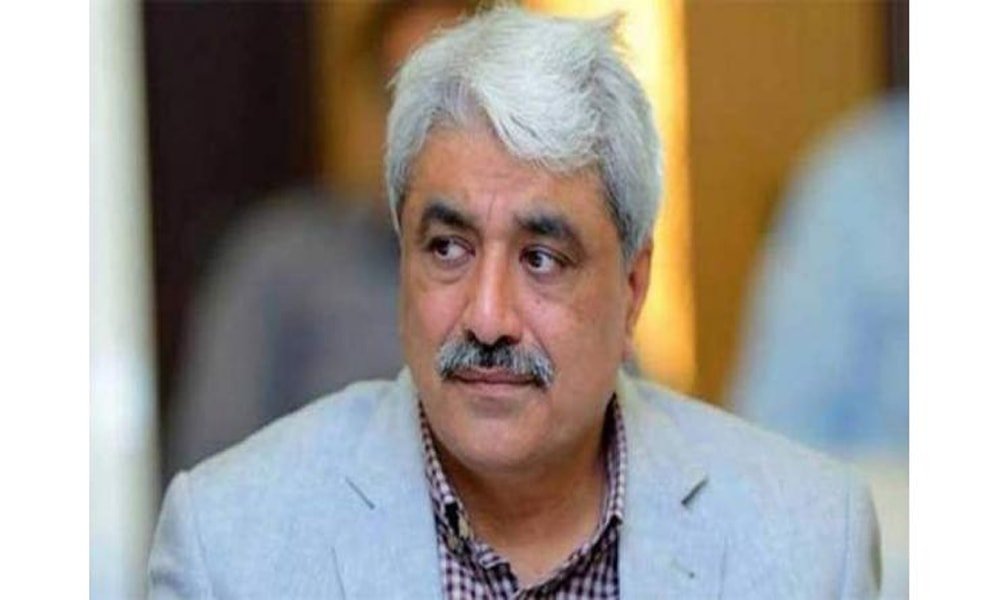
LAHORE — Punjab Health Minister Khawaja Salman Rafique presided over the 44th Syndicate Meeting of Fatima Jinnah Medical University (FJMU) on Saturday, where pivotal administrative, academic, and financial decisions were made to enhance the university’s operations and affiliated healthcare institutions.
What Happened
The meeting, held at the university’s campus, focused on several critical areas aimed at bolstering the institution’s effectiveness and service delivery. During the session, the syndicate ratified the decisions made in the previous 43rd meeting, ensuring continuity and progress in the university’s strategic plans. Among the approved measures were enhancements to the university’s academic programs, improvements in administrative procedures, and financial strategies to support these initiatives.
Health Minister Khawaja Salman Rafique emphasized the importance of these decisions, stating, “The steps we are taking today will significantly impact the quality of education and healthcare services provided by Fatima Jinnah Medical University and its affiliates.” The meeting also addressed ongoing projects and discussed new proposals to further develop the university’s infrastructure and educational offerings.
Additionally, the syndicate reviewed reports on the university’s current performance metrics, identifying areas for improvement and setting targets for the upcoming academic year. The focus was not only on academic excellence but also on expanding research capabilities and fostering partnerships with other medical institutions both nationally and internationally.
Background
Fatima Jinnah Medical University, established in 1948, has been a cornerstone of medical education in Pakistan. Named after Fatima Jinnah, the sister of Pakistan’s founding father Muhammad Ali Jinnah, the university has a rich history of producing skilled medical professionals. The institution is affiliated with several hospitals, including Sir Ganga Ram Hospital, which serves as a primary teaching hospital.
The syndicate, a governing body of the university, plays a crucial role in shaping the institution’s policies and strategic direction. Regular meetings are held to assess progress, approve new initiatives, and address challenges faced by the university and its affiliated institutions.
Why It Matters
The decisions made during the 44th Syndicate Meeting are significant for several reasons. Firstly, they demonstrate a commitment to improving the quality of medical education in Pakistan, which is essential for addressing the country’s healthcare challenges. By enhancing academic programs and research capabilities, FJMU aims to produce graduates who are well-equipped to meet the demands of the healthcare sector.
Economically, the improvements in administrative and financial strategies are expected to optimize resource allocation, ensuring that funds are used effectively to support educational and healthcare initiatives. This is particularly important in a country where healthcare resources are often limited, and efficient management can lead to better outcomes for patients and students alike.
Politically, the active involvement of the Punjab Health Minister underscores the government’s commitment to strengthening public health institutions. This involvement can foster confidence among stakeholders, including students, faculty, and the general public, in the government’s ability to support and enhance educational and healthcare services.
On an international level, the university’s efforts to expand partnerships with other medical institutions highlight Pakistan’s desire to engage with the global medical community. These collaborations can lead to knowledge exchange, joint research projects, and increased opportunities for students and faculty.
Key Takeaways
- Punjab Health Minister Khawaja Salman Rafique chaired the 44th Syndicate Meeting of FJMU.
- Key administrative, academic, and financial decisions were approved to enhance the university.
- The meeting ratified decisions from the previous syndicate meeting to ensure continuity.
- Focus areas included academic program enhancements and research capability expansion.
- The meeting reflects the government’s commitment to improving medical education in Pakistan.
Source Attribution
This article is based on official government statements, press releases, and public communications from relevant authorities.














