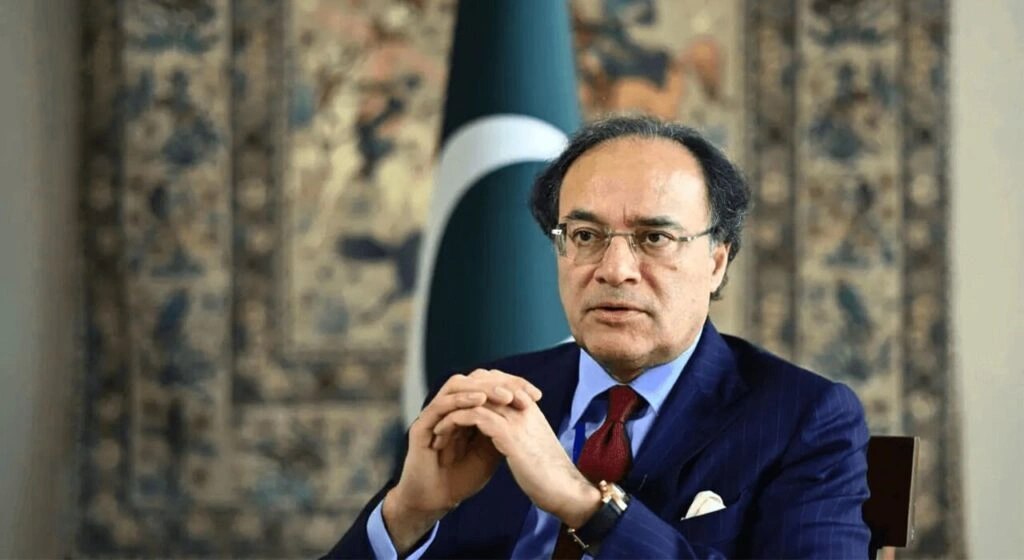
RAWALPINDI — Provincial Minister for Communication & Works Malik Sohaib Ahmed Bharth, Commissioner Rawalpindi Division Engineer Aamir Khattak, and Regional Police Officer (RPO) Babar Sarfraz Alpa conducted a detailed inspection of Ashura procession routes in Rawalpindi on Friday. Their visit aimed to ensure robust security measures for the upcoming Ashura observance.
Inspection Details
The high-level delegation examined key points along the Ashura procession route, including Committee Chowk and Iqbal Road. This inspection is part of the provincial government’s broader efforts to ensure the participant’s safety and security during Ashura processions, revered across Pakistan.
Security Measures
Minister Bharth stressed the need to maintain peace during religious gatherings. “The safety of the participants is our top priority, and all necessary measures are being implemented to ensure a secure environment,” he declared. Officials reviewed security personnel deployment, surveillance camera installations, and emergency services access along the routes.
Commissioner Khattak highlighted inter-departmental coordination for the smooth conduct of processions. He noted the local administration’s close collaboration with law enforcement to address potential security concerns. RPO Alpa added that additional police forces have been deployed, with special units on standby to respond swiftly to incidents.
Significance of Ashura
Ashura, marked on the 10th day of Muharram, is of immense religious importance to Muslims, especially the Shia community. It commemorates Imam Hussain’s martyrdom at Karbala. In Pakistan, large gatherings characterize Ashura processions, making their security a critical task for authorities.
The history of sectarian violence targeting these processions necessitates stringent security measures. The government typically enforces strict protocols, including deploying police and paramilitary forces, to prevent untoward incidents. The Punjab officials’ inspection is part of these proactive measures.
Importance of Security
The security of Ashura processions has national importance due to potential sectarian tensions. Ensuring participant safety protects lives and upholds religious freedom and social harmony, vital to Pakistan’s diverse society. The proactive measures by the Punjab government showcase its commitment to these values.
Economically, uninterrupted Ashura processions are essential as disruptions can affect local businesses and daily life. Socially, it emphasizes the government’s role in protecting minority rights and fostering interfaith harmony. Politically, effective security during such events can boost public confidence in the government’s law and order capabilities.
Internationally, Pakistan’s management of religious events is often scrutinized. Successful handling can enhance the nation’s image as one that respects and protects religious diversity. The inspection by provincial officials underscores the importance of preparedness and coordination in achieving these objectives.
Key Takeaways
- Punjab officials inspected Ashura procession routes for security in Rawalpindi.
- The inspection aimed at enhancing participant safety through improved security.
- Ashura’s significant religious importance demands stringent security protocols.
- The government’s proactive approach reflects its commitment to safety and harmony.