
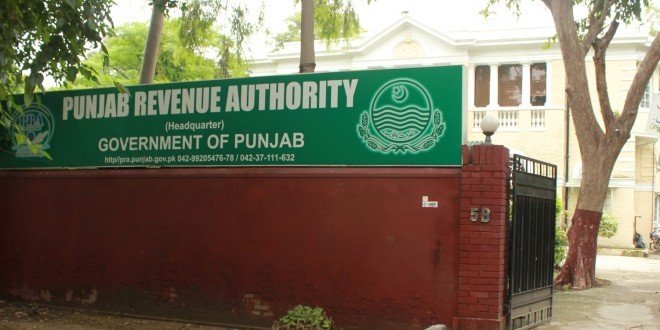
LAHORE — The Punjab Revenue Authority (PRA) has set a new benchmark by collecting Rs 368 billion in taxes for the fiscal year 2025–26, surpassing its revenue target and marking the highest annual tax collection since its inception.
What Happened
The Punjab Revenue Authority (PRA) announced that it has collected Rs 368 billion in taxes during the fiscal year 2025–26. This achievement not only surpasses the authority’s revenue target but also sets a historic record for the highest annual tax collection since the PRA was established. The authority attributed this success to enhanced enforcement measures, improved compliance, and the effective use of technology in tax administration.
PRA Chairman Zainul Abidin stated, “This remarkable achievement is a testament to the hard work and dedication of our team, as well as the cooperation of taxpayers who have shown increased compliance.” He emphasized that the authority’s focus on broadening the tax base and improving the efficiency of tax collection processes played a crucial role in achieving this milestone.
The PRA’s strategy involved a combination of initiatives aimed at increasing tax compliance, including the introduction of digital platforms for easier tax filing and payment, as well as targeted campaigns to educate taxpayers about their obligations. The authority also strengthened its enforcement mechanisms to ensure that tax evasion is minimized.
Background
The Punjab Revenue Authority was established in 2012 with the mandate to collect sales tax on services in the province of Punjab. Over the years, the authority has worked towards enhancing its tax collection capabilities by implementing modern tax administration practices and leveraging technology to streamline processes.
Historically, tax collection in Pakistan has faced challenges due to a narrow tax base, lack of compliance, and issues related to tax evasion. The PRA’s efforts to address these challenges have included expanding the scope of taxable services, improving taxpayer services, and adopting data-driven approaches to identify and target non-compliant sectors.
Why It Matters
The record tax collection by the PRA is significant for several reasons. Economically, it reflects the authority’s ability to enhance revenue generation, which is crucial for the provincial government’s fiscal health. The increased revenue can support developmental projects, infrastructure improvements, and social welfare programs in Punjab, contributing to the overall economic growth of the region.
Socially, the improved tax compliance indicates a growing awareness and acceptance of tax obligations among businesses and individuals. This shift towards a more compliant tax culture can lead to a more equitable distribution of the tax burden and reduce the reliance on indirect taxes, which disproportionately affect lower-income groups.
Politically, the success of the PRA in achieving its revenue targets strengthens the provincial government’s position in advocating for fiscal autonomy and improved resource allocation from the federal government. It also sets a precedent for other provincial revenue authorities to enhance their tax collection efforts.
On an international level, the PRA’s achievement can improve Pakistan’s standing with international financial institutions and investors by demonstrating a commitment to fiscal responsibility and effective governance. This could potentially lead to increased foreign investment and economic partnerships.
Key Takeaways
- The Punjab Revenue Authority collected Rs 368 billion in taxes for the fiscal year 2025–26, setting a new record.
- Enhanced enforcement measures and improved compliance contributed to the achievement.
- The increased revenue supports provincial development projects and economic growth.
- Improved tax compliance reflects a shift towards a more equitable tax culture.
- The success strengthens the provincial government’s fiscal autonomy and international standing.
Source Attribution
This article is based on official government statements, press releases, and public communications from relevant authorities.














