
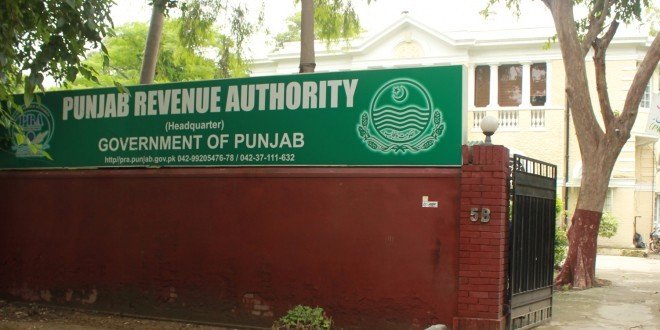
LAHORE — The Punjab Revenue Authority (PRA) has announced a stringent zero-tolerance policy for the implementation of the Electronic Invoice Monitoring System (E-IMS) across the province. This initiative aims to enhance transparency and tackle tax evasion, particularly in the hospitality sector, which includes hotels and restaurants.
What Happened
The PRA’s decision to enforce a zero-tolerance approach stems from its commitment to ensuring that all taxable transactions are accurately reported and monitored through the E-IMS. The system is designed to automatically track sales and services provided by businesses, thereby reducing the likelihood of underreporting and tax evasion. According to PRA officials, the implementation of this system is crucial for maintaining fiscal discipline and ensuring that businesses comply with tax regulations.
The E-IMS has been operational for some time; however, the PRA has observed instances where compliance has been lax. As a result, the authority has decided to intensify its efforts to ensure full adherence to the system’s requirements. The zero-tolerance policy means that any business found to be non-compliant will face strict penalties, including fines and potential legal action.
In a statement, a PRA spokesperson emphasized the importance of the E-IMS in creating a level playing field for all businesses. “The E-IMS is a vital tool in our efforts to ensure transparency and fairness in the tax system,” the spokesperson stated. “We are committed to taking all necessary measures to enforce compliance and protect the integrity of our tax system.”
Background
The introduction of the E-IMS by the Punjab Revenue Authority is part of a broader effort to modernize tax collection and administration in the province. Historically, tax evasion has been a significant challenge for revenue authorities in Pakistan, with many businesses underreporting their earnings to reduce their tax liabilities. The hospitality sector, in particular, has been identified as a high-risk area for tax evasion due to the large volume of cash transactions and the difficulty in monitoring sales.
In response to these challenges, the PRA launched the E-IMS to provide a more accurate and efficient method of tracking business transactions. The system requires businesses to issue electronic invoices for all sales, which are then automatically reported to the PRA. This not only helps in reducing tax evasion but also streamlines the tax filing process for businesses.
Why It Matters
The enforcement of the zero-tolerance policy for the E-IMS holds significant implications for the economic and fiscal landscape of Punjab. By ensuring that all taxable transactions are accurately reported, the PRA aims to increase tax revenue, which is essential for funding public services and infrastructure projects. This move is expected to enhance the government’s ability to invest in critical areas such as education, healthcare, and transportation.
Moreover, the policy is likely to improve the business environment in Punjab by promoting fair competition. Businesses that comply with tax regulations will no longer be at a disadvantage compared to those that evade taxes. This could lead to a more equitable market, encouraging investment and growth in the hospitality sector.
On a broader scale, the success of the E-IMS in Punjab could serve as a model for other provinces in Pakistan, potentially leading to nationwide improvements in tax compliance and revenue collection. This would strengthen the country’s fiscal position and contribute to economic stability.
Key Takeaways
- The Punjab Revenue Authority has adopted a zero-tolerance policy for the E-IMS to curb tax evasion.
- The policy targets the hospitality sector, ensuring accurate reporting of taxable transactions.
- Businesses found non-compliant with the E-IMS will face strict penalties.
- The initiative aims to increase tax revenue and promote fair competition in Punjab.
- Success in Punjab could inspire similar measures in other provinces.
Source Attribution
This article is based on official government statements and public communications from the Punjab Revenue Authority.














