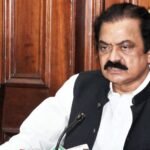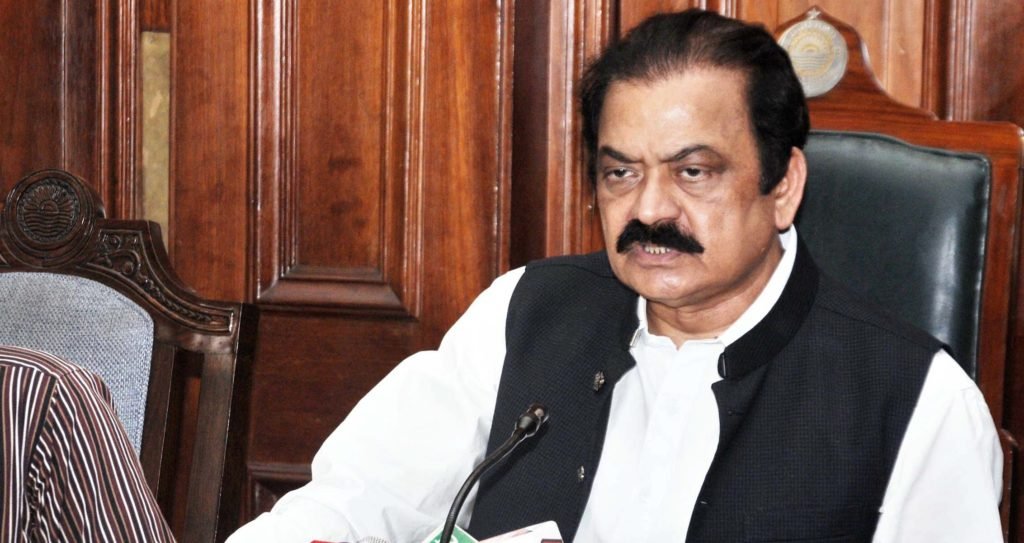
ISLAMABAD — Advisor to the Prime Minister on Political Affairs, Rana Sanaullah, has called for dialogues among political parties to address national issues, emphasizing the importance of peaceful resolution over unrest. Speaking on a private television channel on Sunday, Sanaullah highlighted the government’s commitment to dialogue as a means of conflict resolution.
What Happened
In a televised interview, Rana Sanaullah, who serves as an Advisor to the Prime Minister on Political Affairs, underscored the need for political parties in Pakistan to engage in dialogue to resolve their differences. He stressed that choosing dialogue over unrest is essential for the nation’s stability. “The government has always preferred dialogue for resolving any issue,” Sanaullah stated, emphasizing that discussions could prevent the escalation of conflicts.
Sanaullah’s comments come amid a backdrop of political tensions in the country, where various parties have been at odds over several key issues. The advisor’s call for dialogue is seen as an attempt to foster a more collaborative political environment. He further mentioned that the government is open to discussions with all political entities to ensure the country’s progress and stability.
The advisor also pointed out that the government has historically opted for dialogue as a primary tool for resolving disputes, suggesting that this approach has been effective in the past. He urged all political leaders to prioritize national interest over partisan politics and to engage constructively in dialogue.
Background
Pakistan has a history of political unrest, often marked by protests and confrontations among various political factions. The call for dialogue by Rana Sanaullah is not unprecedented, as political leaders have previously sought to resolve issues through negotiation rather than confrontation. The political landscape in Pakistan has been shaped by a series of events, including elections, changes in government, and legislative challenges, all of which have contributed to the current state of affairs.
Historically, political dialogue in Pakistan has been used to address a range of issues, from electoral reforms to economic policies. However, the effectiveness of these dialogues has varied, with some resulting in meaningful agreements and others failing to produce significant outcomes.
Why It Matters
The call for dialogue among political parties is significant in the context of Pakistan’s ongoing political challenges. Engaging in dialogue can help mitigate the risk of political instability, which can have far-reaching consequences for the country’s economy and social fabric. Political unrest often leads to disruptions in governance, affecting everything from economic growth to public services.
Economically, political stability is crucial for attracting foreign investment and ensuring sustainable development. Investors typically seek stable environments where policies are predictable and the risk of political upheaval is minimized. By advocating for dialogue, Rana Sanaullah is promoting a more stable political climate that could enhance economic prospects.
Socially, dialogue among political parties can help bridge divides and foster a sense of national unity. In a diverse country like Pakistan, where regional and ethnic differences can sometimes lead to conflict, dialogue serves as a tool for promoting understanding and cooperation.
Internationally, Pakistan’s political stability is closely watched by its allies and neighboring countries. A stable Pakistan is seen as a key player in regional security and economic initiatives. By prioritizing dialogue, the government is signaling its commitment to maintaining stability and fostering positive international relations.
Key Takeaways
- Rana Sanaullah calls for political dialogue to resolve national issues peacefully.
- The government emphasizes dialogue as a preferred method for conflict resolution.
- Political stability is crucial for economic growth and attracting foreign investment.
- Dialogue can help bridge social divides and promote national unity.
- Internationally, a stable Pakistan is vital for regional security and cooperation.
Source Attribution
This article is based on official government statements and public communications from relevant authorities.