
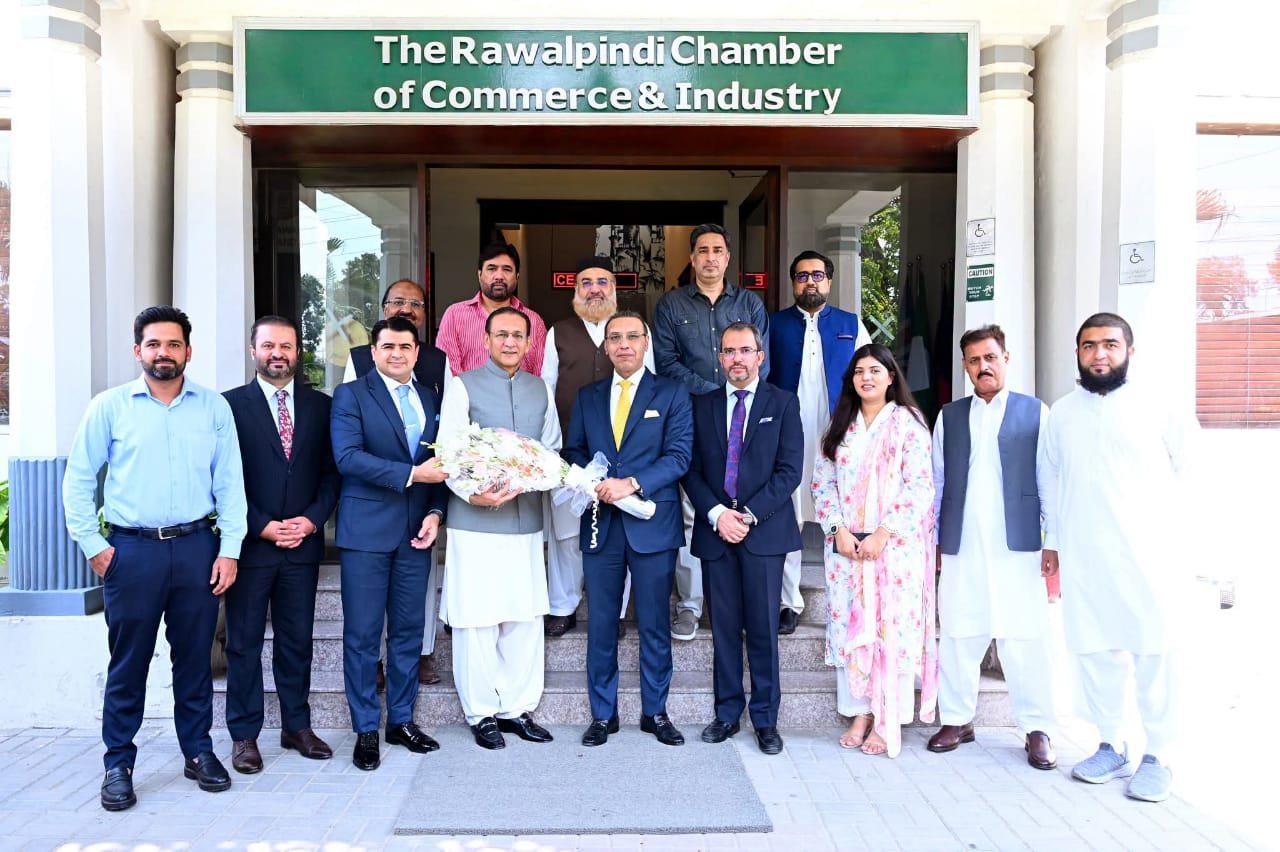
RAWALPINDI — The Rawalpindi Chamber of Commerce and Industry (RCCI), in partnership with the Cannabis Control and Regulatory Authority (CCRA), conducted an awareness session on Monday to explore the economic prospects of Pakistan’s burgeoning cannabis industry. The session emphasized the potential for industrial and medicinal cannabis as a new avenue for investment, exports, and sustainable economic growth.
What Happened
The awareness session held by RCCI and CCRA focused on the untapped potential of the cannabis industry in Pakistan. The event brought together industry experts, policymakers, and business leaders to discuss the regulatory framework and economic opportunities associated with cannabis cultivation and processing. The session highlighted that the industry could significantly contribute to Pakistan’s economy by creating jobs, boosting exports, and attracting foreign investment.
Speakers at the session outlined the benefits of developing a structured cannabis industry, citing examples from countries where cannabis has been legalized for industrial and medicinal purposes. They emphasized that with proper regulation, Pakistan could capitalize on its agricultural strengths to become a leading producer and exporter of cannabis products. The discussions also covered the need for clear guidelines and policies to ensure the industry operates within legal and ethical boundaries.
CCRA representatives provided insights into the regulatory measures being considered to facilitate the growth of the cannabis industry. They stressed the importance of establishing a robust legal framework to manage the cultivation, processing, and distribution of cannabis products. The session concluded with a call to action for stakeholders to collaborate in developing a comprehensive strategy to harness the economic potential of cannabis.
Background
The interest in cannabis as an economic driver is not new. Globally, the cannabis industry has seen significant growth, with countries like Canada and several U.S. states legalizing its use for medicinal and industrial purposes. In Pakistan, the government has shown interest in exploring cannabis cultivation, particularly for its medicinal properties and industrial applications such as hemp fiber production.
In 2020, Pakistan’s government approved the industrial production of hemp, marking a significant policy shift. This decision was driven by the potential economic benefits, as hemp can be used in a variety of products, including textiles, biofuels, and pharmaceuticals. The move was part of a broader strategy to diversify the country’s agricultural base and increase exports.
Why It Matters
The development of a regulated cannabis industry in Pakistan holds substantial economic promise. It offers a new revenue stream that could help alleviate some of the economic challenges facing the country, such as unemployment and trade deficits. By tapping into the global cannabis market, Pakistan could enhance its export profile and attract foreign direct investment.
Socially, the industry could provide employment opportunities in rural areas where cannabis cultivation is feasible, thereby contributing to poverty alleviation. Environmentally, hemp cultivation is known for its low environmental impact, offering a sustainable agricultural option that aligns with global trends towards eco-friendly practices.
Politically, establishing a cannabis industry could position Pakistan as a regional leader in a high-growth sector, potentially influencing policy discussions in neighboring countries. The successful implementation of a cannabis strategy could also improve Pakistan’s standing in international trade forums, given the increasing acceptance of cannabis products worldwide.
Key Takeaways
- The RCCI and CCRA held an awareness session on the economic potential of Pakistan’s cannabis industry.
- The session highlighted opportunities for investment, exports, and sustainable growth in the cannabis sector.
- Speakers emphasized the need for a robust regulatory framework to support industry development.
- Pakistan’s government approved industrial hemp production in 2020, recognizing its economic benefits.
- The cannabis industry could create jobs, boost exports, and attract foreign investment in Pakistan.
Source Attribution
This article is based on official government statements, press releases, and public communications from relevant authorities.














