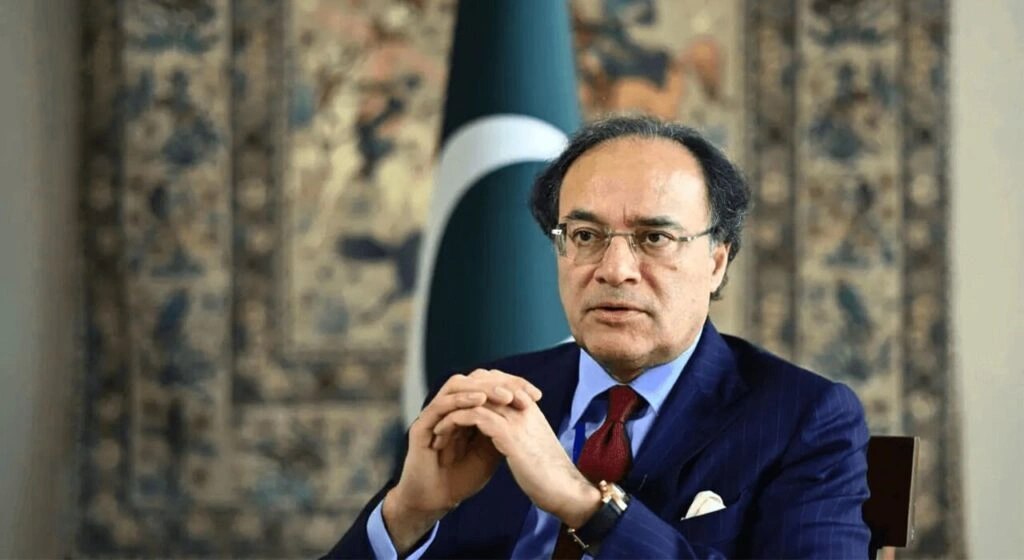
ISLAMABAD — Former President of the SAARC Chamber of Commerce and Industry, Iftikhar Ali Malik, emphasized on Sunday that achieving regional peace is crucial for unlocking significant trade, investment, and technological advancements. Malik’s statement underscores the potential benefits of a stable regional environment for enhancing Pakistan’s global economic competitiveness.
What Happened
In a statement released on Sunday, Iftikhar Ali Malik, who previously served as the President of the SAARC Chamber of Commerce and Industry, articulated the economic advantages of regional peace. He asserted that peace in the region could lead to expanded trade opportunities, increased foreign investment, and access to modern technology, all of which are vital for boosting Pakistan’s economic standing on the global stage.
Malik highlighted that the absence of conflict and the establishment of harmonious relations among neighboring countries could significantly reduce trade barriers, thereby facilitating smoother and more efficient trade flows. “The real dividend of regional peace lies in expanding trade, attracting productive investment, and acquiring modern technology,” Malik stated, emphasizing that these elements are integral to enhancing Pakistan’s competitiveness in the international market.
He further noted that regional cooperation could pave the way for collaborative initiatives in technology and innovation, which are essential for economic growth and development. Malik called for concerted efforts from all regional stakeholders to prioritize peace and stability, which he believes are the foundations for sustainable economic progress.
Background
The South Asian region has historically been fraught with political tensions and conflicts, which have often hindered economic cooperation and development. The SAARC (South Asian Association for Regional Cooperation) was established in 1985 to promote economic and regional integration. However, political disputes, particularly between India and Pakistan, have often stalled progress.
Efforts to enhance regional trade and cooperation have been ongoing, with various initiatives aimed at reducing tariffs and non-tariff barriers. Despite these efforts, intra-regional trade remains low compared to other regions, accounting for only about 5 percent of South Asia’s total trade. In contrast, intra-regional trade in ASEAN (Association of Southeast Asian Nations) accounts for approximately 25 percent of total trade.
Why It Matters
The call for regional peace by Iftikhar Malik is significant as it highlights the critical link between political stability and economic prosperity. For Pakistan, a country with a strategic geopolitical location, regional peace could open up new avenues for economic growth by facilitating access to larger markets and fostering an environment conducive to foreign investment.
Economically, regional peace could lead to the reduction of defense expenditures, allowing more resources to be allocated towards development projects and infrastructure improvements. This shift could result in better public services and improved quality of life for citizens.
On the international front, a peaceful South Asia could enhance the region’s attractiveness as a destination for global investors. With increased investment, countries in the region could benefit from technology transfer, job creation, and improved industrial capacity.
Furthermore, regional peace could lead to collaborative efforts in addressing common challenges such as climate change, energy security, and public health, thereby fostering a more resilient and sustainable regional economy.
Key Takeaways
- Regional peace is crucial for enhancing trade, investment, and technological advancements in Pakistan.
- Political stability can reduce trade barriers and facilitate smoother trade flows.
- Intra-regional trade in South Asia remains low compared to other regions, highlighting the need for improved cooperation.
- Economic growth through regional peace can lead to better public services and quality of life.
- Collaborative regional efforts can address common challenges and enhance economic resilience.
Source Attribution
This article is based on official statements and public communications from relevant authorities.