
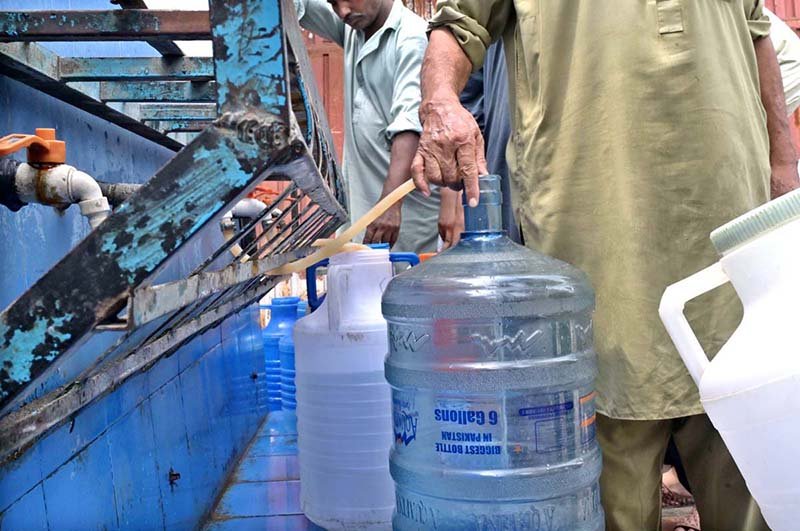
RAWALPINDI — Residents of Dhoke Kala Khan are utilizing a local filtration plant to fill their pots with clean drinking water, addressing a crucial need for safe water access in the area. The plant, which has become a vital resource for the community, provides an essential service to the residents who rely on it for their daily water needs.
What Happened
The filtration plant at Dhoke Kala Khan has become a focal point for the community, with many residents seen filling their containers with clean drinking water. This facility is part of a broader initiative to ensure safe drinking water is accessible to all, particularly in areas where water quality has been a persistent issue. The plant operates efficiently, allowing residents to collect water throughout the day.
Local authorities have emphasized the importance of such facilities in maintaining public health. A representative from the municipal water department stated, “Providing access to clean water is a top priority for us, and we are committed to maintaining these facilities to serve the community effectively.” The plant’s operation is part of a larger effort to combat waterborne diseases and improve the overall quality of life for residents.
Background
Access to clean drinking water has been a longstanding issue in many parts of Pakistan, including Rawalpindi. The government has initiated several projects to install water filtration plants across the country, aiming to improve water quality and accessibility. These projects are part of a national strategy to address water scarcity and contamination, which have historically plagued urban and rural areas alike.
The Dhoke Kala Khan filtration plant is one of many established under this initiative, providing a reliable source of potable water to the local population. Such efforts are crucial in regions where infrastructure for water supply is inadequate or outdated, leading to reliance on alternative sources that may not meet health standards.
Why It Matters
The availability of clean drinking water is a fundamental human right and a critical component of public health. In Pakistan, where waterborne diseases have been a significant health challenge, ensuring access to safe water is imperative. The filtration plant at Dhoke Kala Khan not only provides clean water but also reduces the risk of illnesses caused by contaminated water sources.
Economically, the provision of clean water can lead to reduced healthcare costs for families, as fewer resources are spent on treating water-related illnesses. Socially, it empowers communities by improving health outcomes, which can enhance productivity and quality of life. Additionally, such initiatives align with international efforts to achieve Sustainable Development Goals (SDGs), particularly Goal 6, which aims to ensure availability and sustainable management of water and sanitation for all.
On a broader scale, the success of these filtration plants can serve as a model for other regions facing similar challenges, demonstrating the effectiveness of community-based solutions in addressing water scarcity and quality issues. As Pakistan continues to grapple with environmental and infrastructural challenges, such initiatives are vital in building resilience and ensuring sustainable development.
Key Takeaways
- The Dhoke Kala Khan filtration plant provides clean drinking water to local residents, addressing a critical need.
- Access to safe water reduces the risk of waterborne diseases and improves public health.
- The initiative is part of a national strategy to improve water quality and accessibility across Pakistan.
- Ensuring clean water access aligns with global Sustainable Development Goals, particularly SDG 6.
- Such projects can serve as models for other regions facing similar water challenges.
Source Attribution
This article is based on official government statements, press releases, and public communications from relevant authorities.














