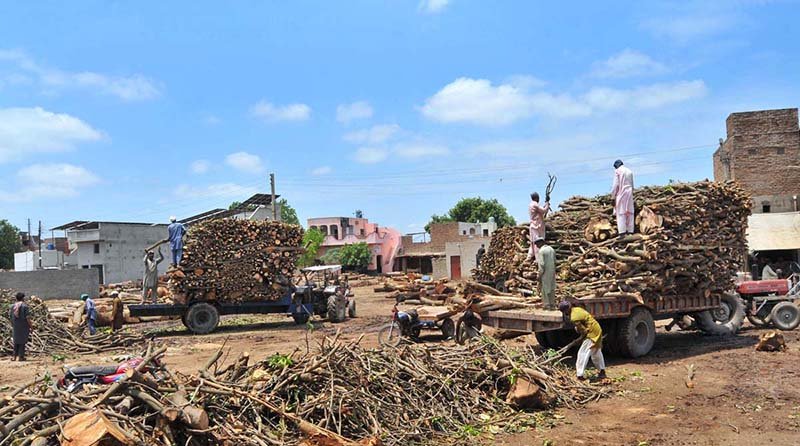
MULTAN — Labourers in Multan are working tirelessly to load firewood onto tractor-trolleys at local timber yards, responding to a significant increase in demand for fuel wood as the city faces ongoing fuel shortages. This surge in demand has been observed over the past few weeks, as residents seek alternative energy sources to meet their daily needs.
What Happened
In recent days, Multan’s timber yards have become a hub of activity, with labourers loading firewood onto tractor-trolleys to distribute across the city. The increased demand for firewood is primarily driven by the current fuel shortages affecting many parts of Pakistan. Residents are turning to wood as a reliable and accessible alternative to gas and electricity, which have become increasingly scarce and expensive.
Local timber yard operators report a noticeable uptick in sales. “We have seen a significant rise in customers looking for firewood,” said a timber yard manager. “People are buying in bulk to ensure they have enough fuel for cooking and heating as the winter approaches.”
The demand is not only limited to households. Small businesses, particularly those in the food industry, are also purchasing firewood to keep their operations running smoothly. This shift has resulted in a bustling scene at timber yards, with workers laboriously loading and transporting wood to various parts of the city.
Background
Pakistan has been grappling with energy shortages for several years, exacerbated by economic challenges and infrastructure issues. The country heavily relies on imported fuel, making it vulnerable to global price fluctuations and supply chain disruptions. In recent months, these issues have intensified, leading to frequent power outages and increased fuel prices.
Historically, firewood has been a traditional source of energy in rural areas of Pakistan, but urban centers like Multan have increasingly turned to it as a backup during times of crisis. The government has been working on various initiatives to improve energy security, including investments in renewable energy and infrastructure development. However, these efforts have yet to fully alleviate the immediate challenges faced by citizens.
Why It Matters
The growing reliance on firewood in Multan highlights the urgent need for sustainable energy solutions in Pakistan. As more people turn to wood for fuel, there are environmental concerns regarding deforestation and air quality. The increased use of firewood can lead to significant environmental degradation if not managed properly, posing long-term risks to the region’s ecological balance.
Economically, the shift to firewood reflects the broader challenges faced by the Pakistani economy. Rising fuel costs and energy shortages can stifle economic growth, affecting industries and households alike. The situation underscores the importance of diversifying energy sources and investing in sustainable alternatives to reduce dependency on imported fuels.
Socially, the demand for firewood also highlights the resilience of communities in adapting to energy crises. However, it raises questions about energy equity and access, as not all citizens may have the means to switch to alternative fuel sources. This situation calls for policy interventions to ensure equitable access to energy resources for all segments of society.
Key Takeaways
- Multan is experiencing a significant increase in demand for firewood due to fuel shortages.
- Timber yards are bustling with activity as residents and businesses seek alternative energy sources.
- Pakistan’s ongoing energy crisis is driving urban centers to rely on traditional fuel sources.
- Environmental and economic implications of increased firewood use need careful management.
- The situation underscores the need for sustainable energy solutions and policy interventions.
Source Attribution
This article is based on official government statements, press releases, and public communications from relevant authorities.