
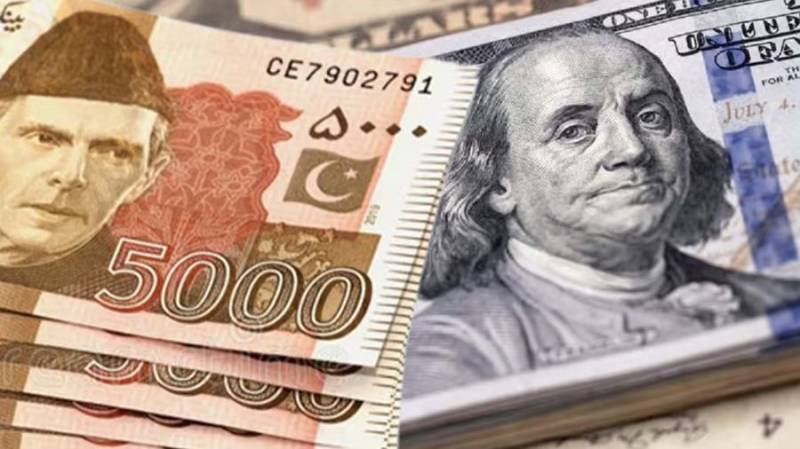
ISLAMABAD — The Pakistani Rupee gained slightly against the US Dollar in interbank trading on Monday, appreciating by 01 paisa to close at Rs 278.11. This minor increase came after the previous day’s closing rate of Rs 278.12, according to the Forex Association of Pakistan (FAP).
What Happened
On July 6, the Pakistani Rupee showed a marginal improvement against the US Dollar in the interbank market. The currency closed at Rs 278.11, a slight gain from the previous closing of Rs 278.12. This change reflects the ongoing fluctuations in the foreign exchange market, influenced by various economic factors both domestically and internationally.
According to the Forex Association of Pakistan, the buying and selling rates of the US Dollar in the open market were recorded at Rs 277.50 and Rs 279.50, respectively. These rates indicate a stable yet cautious trading environment, as market participants continue to monitor economic indicators and geopolitical developments that could impact currency valuations.
Market analysts suggest that the Rupee’s performance is closely tied to the country’s economic policies and external financial obligations. The slight appreciation might be attributed to recent measures taken by the State Bank of Pakistan to stabilize the currency and manage inflationary pressures.
Background
The Pakistani Rupee has experienced significant volatility over the past year, primarily due to external debt obligations, fluctuating oil prices, and political uncertainties. Historically, the Rupee has faced pressure from a widening current account deficit and dwindling foreign exchange reserves, prompting the government to seek assistance from international financial institutions.
In recent months, the State Bank of Pakistan has implemented various monetary policies aimed at curbing inflation and stabilizing the currency. These measures include interest rate adjustments and interventions in the foreign exchange market to manage liquidity and maintain investor confidence.
Furthermore, the global economic environment, including the US Federal Reserve’s monetary policy and international trade dynamics, continues to influence the Rupee’s valuation. As Pakistan navigates its economic challenges, the currency remains a critical indicator of the country’s financial health.
Why It Matters
The Rupee’s performance against the US Dollar holds significant implications for Pakistan’s economy. A stable or appreciating Rupee can reduce the cost of imported goods, which is crucial for a country that relies heavily on imports for energy and raw materials. This, in turn, can help manage inflation, which has been a persistent challenge for the Pakistani economy.
Moreover, a stronger Rupee can positively impact the country’s external debt servicing, as a significant portion of Pakistan’s debt is denominated in foreign currencies. A stable currency reduces the burden of debt repayments, freeing up resources for domestic development projects and social welfare programs.
On the international front, the Rupee’s performance is closely watched by investors and credit rating agencies. A stable currency can enhance investor confidence, attracting foreign direct investment and boosting economic growth. Conversely, a depreciating Rupee can deter investment and exacerbate economic challenges.
For the average Pakistani citizen, the Rupee’s value affects purchasing power and the cost of living. A stable or appreciating currency can help ease the financial burden on households by keeping prices of essential goods and services in check.
Key Takeaways
- The Pakistani Rupee appreciated by 01 paisa against the US Dollar in interbank trading, closing at Rs 278.11.
- The Forex Association of Pakistan reported open market buying and selling rates of Rs 277.50 and Rs 279.50, respectively.
- The Rupee’s performance is influenced by domestic economic policies, external financial obligations, and global economic conditions.
- A stable Rupee can help manage inflation, reduce external debt servicing costs, and boost investor confidence.
- The Rupee’s value directly impacts the cost of living and purchasing power for Pakistani citizens.
Source Attribution
This article is based on official government statements, press releases, and public communications from relevant authorities.














