
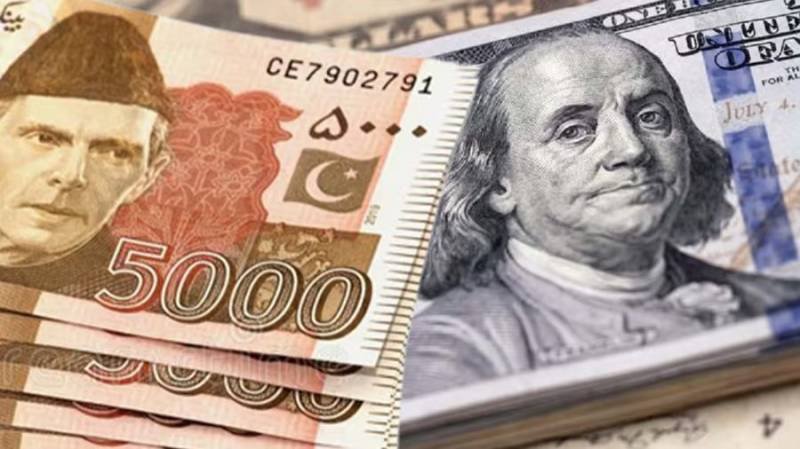
ISLAMABAD — The Pakistani Rupee experienced a modest appreciation against the US Dollar in interbank trading on Tuesday, gaining 03 paisa to close at Rs 277.92. This marks a minor improvement from the previous day’s closing rate of Rs 277.95, according to the Forex Association of Pakistan (FAP).
What Happened
On Tuesday, the Rupee appreciated by 03 paisa against the US Dollar in the interbank market, closing at Rs 277.92. The Forex Association of Pakistan reported that the buying and selling rates of the dollar in the open market were recorded at Rs 278.95 and Rs 279.15, respectively. This slight gain comes amid fluctuating currency dynamics influenced by various economic factors.
In addition to the Rupee’s performance against the US Dollar, other currencies also saw changes. The Euro decreased by Rs 0.50 paisa, closing at Rs 317.49, down from the previous day’s Rs 317.99, as per the State Bank of Pakistan (SBP). The Japanese Yen fell by 01 paisa to close at Rs 1.70, while the British Pound saw a decrease of Rs 0.88, ending the day at Rs 373.53 compared to Rs 374.41 the previous day.
The Emirate Dirham experienced a decline of 01 paisa, closing at Rs 75.67, whereas the Saudi Riyal increased by 01 paisa, closing at Rs 74.02. These fluctuations reflect ongoing adjustments in the foreign exchange market, which are influenced by both domestic and international economic conditions.
Background
The Pakistani Rupee’s value against the US Dollar has been subject to significant volatility in recent years, impacted by various factors including economic policies, international trade dynamics, and geopolitical developments. Historically, the Rupee has faced pressures due to trade imbalances, inflation, and external debt obligations. The State Bank of Pakistan has periodically intervened in the currency market to stabilize the Rupee, employing measures such as adjusting interest rates and foreign exchange reserves management.
In recent months, the Rupee has shown signs of stabilization due to improved foreign exchange reserves and remittances from overseas Pakistanis. However, the currency remains sensitive to global economic trends, including changes in oil prices and the US Federal Reserve’s monetary policy.
Why It Matters
The appreciation of the Rupee, albeit slight, is a positive indicator for Pakistan’s economy, reflecting a momentary easing of pressure on the currency. A stronger Rupee can help reduce the cost of imports, which is crucial for a country that relies heavily on imported goods and services. This can lead to lower inflationary pressures, benefiting consumers and businesses alike.
For the government, a stable or appreciating Rupee can ease the burden of external debt repayments, which are often denominated in foreign currencies. This can improve the country’s fiscal health and create more room for public spending on development projects and social services.
On the international front, the Rupee’s performance can influence investor confidence in Pakistan’s economy. A stable currency environment can attract foreign direct investment, as investors seek predictable and stable returns. This can lead to job creation and economic growth, contributing to the country’s long-term development goals.
Key Takeaways
- The Rupee appreciated by 03 paisa against the US Dollar, closing at Rs 277.92 in interbank trading.
- Other currencies, including the Euro, Japanese Yen, and British Pound, saw fluctuations against the Rupee.
- A stronger Rupee can help reduce import costs and inflationary pressures in Pakistan.
- Currency stability can improve investor confidence and attract foreign investment.
- The Rupee’s performance is influenced by both domestic and international economic factors.
Source Attribution
This article is based on official government statements, press releases, and public communications from relevant authorities.














