
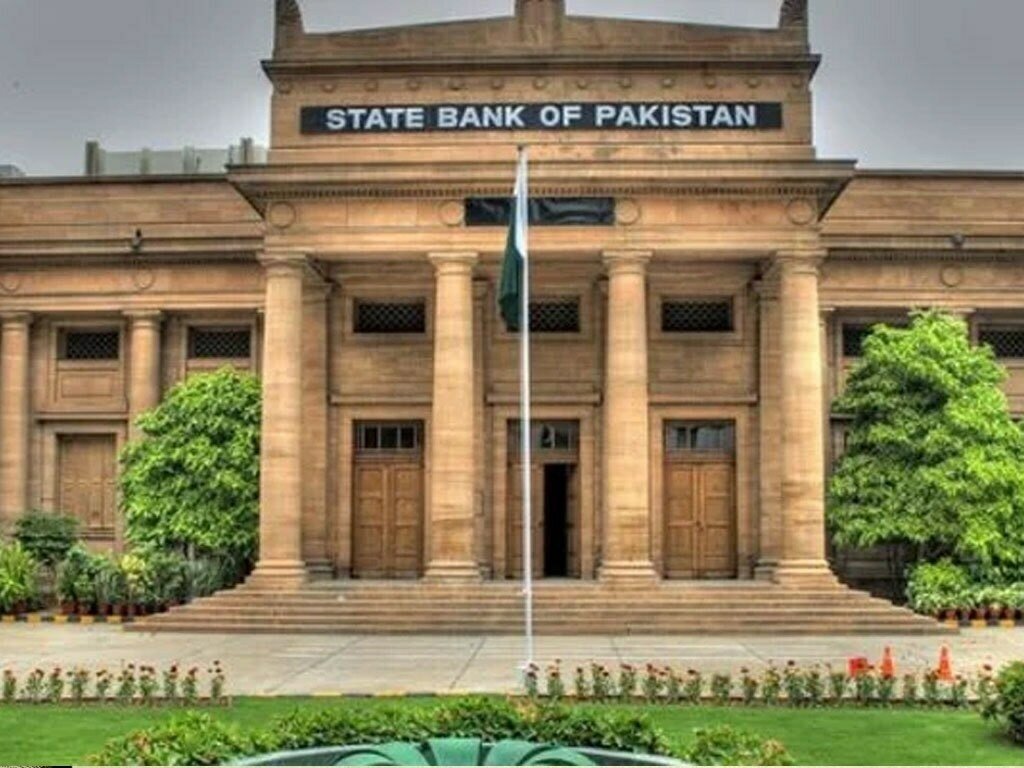
ISLAMABAD — The Pakistani Rupee appreciated by three paisa against the US Dollar in interbank trading on Thursday, closing at Rs 277.57 compared to the previous day’s closing of Rs 277.60. This slight increase reflects ongoing fluctuations in the currency market amid broader economic challenges.
What Happened
On Thursday, the Pakistani Rupee saw a minor appreciation against the US Dollar, closing at Rs 277.57 in interbank trading, as reported by the Forex Association of Pakistan (FAP). The buying and selling rates of the dollar in the open market were recorded at Rs 278 and Rs 278.65, respectively. This movement comes as part of a series of small adjustments in the currency market, reflecting the dynamic nature of foreign exchange rates in Pakistan.
In addition to the US Dollar, the Rupee’s exchange rates against other major currencies showed varied trends. The Euro appreciated by Rs 2.56, closing at Rs 324.55 compared to the previous day’s Rs 321.99, according to data from the State Bank of Pakistan (SBP). Meanwhile, the Japanese Yen increased by one paisa, closing at Rs 1.75. The British Pound also saw an increase, rising by Rs 2.16 to close at Rs 378.41 from the previous day’s Rs 376.25.
Conversely, the exchange rates for the Emirati Dirham and the Saudi Riyal each decreased by one paisa, closing at Rs 75.57 and Rs 73.92, respectively. These fluctuations highlight the ongoing volatility in the foreign exchange market, influenced by both domestic and international economic factors.
Background
The Pakistani Rupee has experienced significant volatility over the past year, driven by various factors including political instability, economic challenges, and global market trends. The currency’s performance is closely watched as it impacts inflation, import costs, and overall economic stability. Historically, the Rupee has faced pressure due to a high import bill, dwindling foreign reserves, and external debt obligations.
In recent months, the government and the State Bank of Pakistan have implemented measures to stabilize the currency, including monetary policy adjustments and securing financial assistance from international partners. These efforts aim to bolster foreign reserves and provide a buffer against external economic shocks.
Why It Matters
The Rupee’s exchange rate is a critical indicator of Pakistan’s economic health. A stable or appreciating Rupee can help reduce inflationary pressures by lowering the cost of imported goods, which is crucial for a country heavily reliant on imports for essential commodities and raw materials. Conversely, a depreciating Rupee can exacerbate inflation and increase the cost of living for ordinary citizens.
For businesses, especially those involved in import and export, currency stability is vital for planning and financial forecasting. Fluctuations in the exchange rate can affect profit margins, pricing strategies, and competitiveness in international markets. A stronger Rupee could potentially make Pakistani exports more expensive, impacting trade balances.
On a broader scale, the Rupee’s performance affects investor confidence. A stable currency can attract foreign investment, as it signals economic stability and reduces the risk associated with currency depreciation. This is particularly important for Pakistan, which is seeking to attract foreign direct investment to spur economic growth and development.
Key Takeaways
- The Pakistani Rupee appreciated by three paisa against the US Dollar, closing at Rs 277.57 in interbank trading.
- The Euro and British Pound also saw increases against the Rupee, while the Emirati Dirham and Saudi Riyal slightly decreased.
- Currency fluctuations are influenced by domestic economic policies and international market trends.
- A stable Rupee is crucial for controlling inflation and maintaining economic stability.
- Exchange rate stability can enhance investor confidence and attract foreign investment.
Source Attribution
This article is based on official government statements, press releases, and public communications from relevant authorities.














