ISLAMABAD — The Rwanda-Pakistan Business and Investment Forum is set to enhance bilateral trade and investment opportunities between the two nations, according to Ambassador Hamid Asghar Khan, Patron-in-Chief of the Pakistan Africa Economic Council (PAEC). The forum, scheduled to be held in the coming months, is expected to pave the way for increased economic collaboration.
What Happened
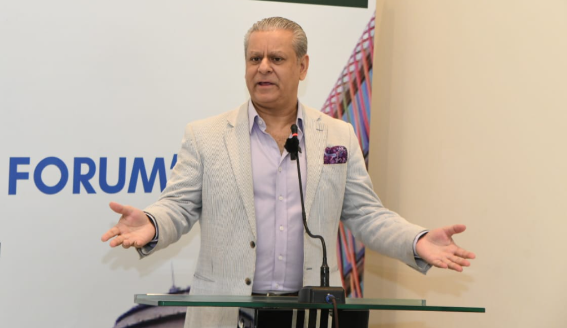
Ambassador Hamid Asghar Khan, speaking at a press conference held at the Embassy of Pakistan, highlighted the significance of the upcoming Rwanda-Pakistan Business and Investment Forum. He emphasized that the event would serve as a critical platform for fostering economic ties and exploring new investment avenues. “The forum will play a pivotal role in strengthening our bilateral economic and trade relations,” Khan stated.
The forum aims to bring together business leaders, investors, and government officials from both countries to discuss potential areas of cooperation. Key sectors identified for collaboration include agriculture, information technology, and manufacturing. The event will also feature business-to-business meetings, panel discussions, and networking sessions to facilitate direct engagement between stakeholders.
Ambassador Khan noted that the forum is part of a broader strategy to enhance Pakistan’s trade relations with African countries. “We are committed to expanding our economic footprint in Africa, and Rwanda is a key partner in this endeavor,” he added. The forum is expected to attract significant participation from both Pakistani and Rwandan business communities, with the aim of identifying concrete projects and partnerships.
Background
Pakistan and Rwanda have been working towards strengthening their bilateral relations over the past few years. In recent times, both countries have expressed a keen interest in enhancing economic cooperation, particularly in trade and investment. The establishment of the Pakistan Africa Economic Council (PAEC) has been a crucial step in this direction, serving as a bridge to facilitate economic collaboration between Pakistan and African nations.
Historically, trade between Pakistan and Rwanda has been limited, with both countries primarily focusing on their respective regional markets. However, recent initiatives have aimed to diversify trade relations and explore new markets. The upcoming forum is part of these efforts, seeking to capitalize on the untapped potential of bilateral trade and investment.
Why It Matters
The Rwanda-Pakistan Business and Investment Forum holds significant economic and strategic importance for both countries. For Pakistan, the forum represents an opportunity to diversify its export markets and reduce reliance on traditional trading partners. By engaging with Rwanda, Pakistan can tap into the growing African market, which offers substantial opportunities for trade and investment.
Economically, the forum could lead to increased trade volumes and the establishment of joint ventures in key sectors. For Rwanda, partnering with Pakistan can provide access to affordable goods and services, as well as technological expertise in areas such as agriculture and IT. This collaboration could contribute to Rwanda’s economic growth and development goals.
On a broader scale, the forum aligns with Pakistan’s Look Africa Policy, which aims to strengthen ties with African nations. By fostering economic cooperation with Rwanda, Pakistan can enhance its diplomatic and trade relations across the continent. This strategic engagement could also bolster Pakistan’s position in international forums and contribute to its economic resilience.
Key Takeaways
- The Rwanda-Pakistan Business and Investment Forum aims to boost bilateral trade and investment.
- Key sectors for collaboration include agriculture, IT, and manufacturing.
- The forum is part of Pakistan’s broader strategy to enhance economic ties with Africa.
- Both countries stand to benefit economically from increased trade and joint ventures.
- The initiative aligns with Pakistan’s Look Africa Policy.
Source Attribution
This article is based on official government statements, press releases, and public communications from relevant authorities.