
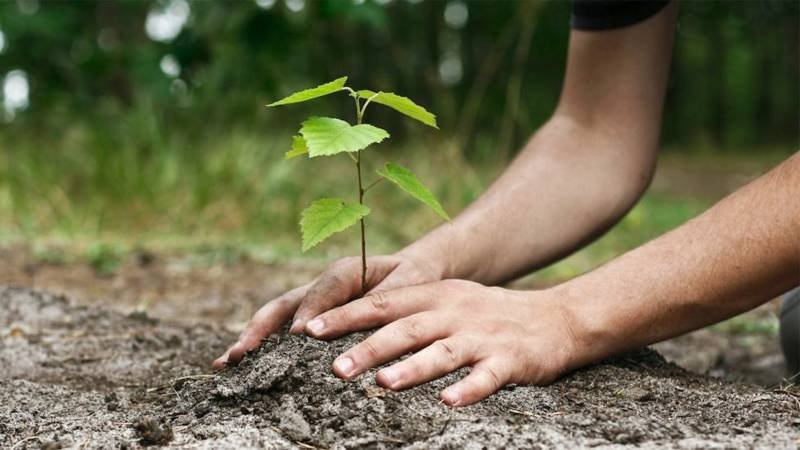
SAHIWAL — Commissioner Dr. Asif Tufail inaugurated the Punjab government’s tree plantation campaign on Thursday, emphasizing the critical role of trees in mitigating air pollution, reducing temperatures, and safeguarding public health. The initiative aims to enhance environmental sustainability across the region.
What Happened
Dr. Asif Tufail, the Commissioner of Sahiwal, officially launched the tree plantation drive as part of the Punjab government’s broader environmental strategy. The campaign seeks to address the pressing issues of air quality and climate change by increasing green cover in urban and rural areas. During the event, Dr. Tufail highlighted the multifaceted benefits of trees, stating, “Trees are essential not only for reducing air pollution but also for lowering temperatures and protecting public health.” He urged citizens to actively participate in the initiative by planting trees in their communities.
The campaign involves the distribution of saplings to local residents, schools, and community organizations, encouraging widespread participation. The government has set ambitious targets for the number of trees to be planted, aiming to significantly increase the region’s forest cover. Dr. Tufail underscored the importance of community involvement, noting that collective efforts are crucial for the success of the initiative.
In addition to the immediate environmental benefits, the campaign is expected to foster a culture of environmental responsibility among citizens. By involving various stakeholders, including educational institutions and non-governmental organizations, the initiative aims to create a lasting impact on the region’s ecological health.
Background
Pakistan has been grappling with environmental challenges, particularly in urban areas where rapid industrialization and population growth have exacerbated air pollution and deforestation. The Punjab government has been proactive in addressing these issues through various initiatives, including the “Clean and Green Pakistan” campaign launched in recent years. This initiative aligns with national efforts to combat climate change and promote sustainable development.
The tree plantation drive in Sahiwal is part of a larger provincial strategy to enhance green spaces and improve air quality. Previous campaigns have focused on planting millions of trees across Punjab, with the aim of restoring ecological balance and providing habitat for wildlife.
Why It Matters
The tree plantation campaign holds significant implications for both the environment and public health in Sahiwal and beyond. By increasing the number of trees, the initiative directly contributes to reducing air pollution, which is a major health hazard in many Pakistani cities. Improved air quality can lead to a decrease in respiratory illnesses and other pollution-related health issues.
Economically, the campaign has the potential to create job opportunities in nursery management, tree planting, and maintenance, thereby contributing to local economies. Moreover, the increased green cover can enhance the aesthetic appeal of urban areas, potentially boosting tourism and improving the quality of life for residents.
On a broader scale, the initiative aligns with Pakistan’s commitments to international environmental agreements, such as the Paris Agreement, by contributing to global efforts to combat climate change. By setting an example of proactive environmental stewardship, the campaign can inspire similar initiatives in other regions, amplifying its impact.
Key Takeaways
- Commissioner Dr. Asif Tufail launched a tree plantation campaign in Sahiwal to combat air pollution and climate change.
- The initiative encourages community participation, with saplings distributed to residents, schools, and organizations.
- The campaign is part of Punjab’s broader environmental strategy to increase forest cover and improve air quality.
- Economic and health benefits include job creation and reduced pollution-related health issues.
- The initiative supports Pakistan’s international commitments to environmental sustainability and climate change mitigation.
Source Attribution
This article is based on official government statements, press releases, and public communications from relevant authorities.














