
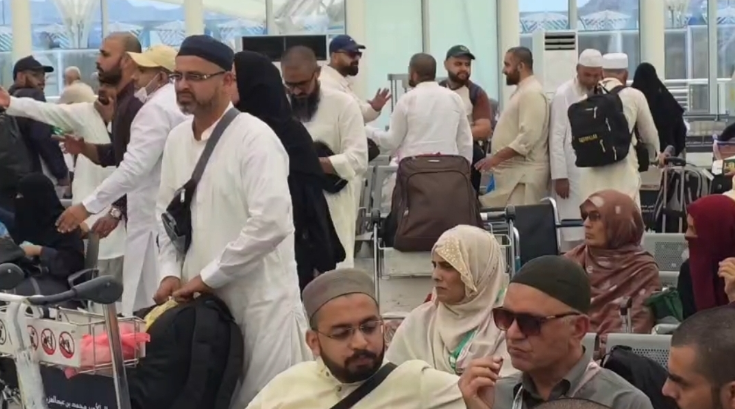
MEDINA — Saudi Arabia has initiated a comprehensive pilgrim repatriation operation as the Hajj season concludes. In collaboration with the General Authority for Civil Aviation (GACA), the Ministry of Hajj and Umrah has launched new travel guidelines to assist millions of worshippers departing the Kingdom.
International Coordinated Departure Operation
Following the completion of their rituals, pilgrims have begun their journey home. Saudi authorities have declared this year’s Hajj a success, marked by orderliness and efficient coordination among multiple agencies.
This operation manages one of the largest annual human movements worldwide. Authorities work with international partners to ensure smooth departures for pilgrims returning to their home countries.
Key Components of the Repatriation Effort
The Saudi pilgrim repatriation operation encompasses several critical elements across the nation:
- Outbound international flights for millions of returning pilgrims
- Ground transport networks connecting holy sites to airports nationwide
- Streamlined protocols for efficient immigration processing
- Bilateral coordination with foreign airlines and governments
New Travel Guidelines and Departure Protocols
The Saudi Ministry of Hajj and Umrah, along with GACA, urges pilgrims to adhere to updated departure protocols. These guidelines offer clear procedures for international travelers departing Saudi Arabia.
Designed to meet substantial logistical demands, the protocols ensure that Hajj performers can return home safely with assistance from international partners.
Global Diplomatic Coordination
This initiative highlights Saudi Arabia’s commitment to secure international travel for millions of pilgrims who visited the holy sites. Bilateral coordination reflects the robust diplomatic ties between Saudi Arabia and countries worldwide.
The global effort showcases effective geopolitical cooperation between the Kingdom and partner countries, emphasizing the importance of international diplomatic frameworks in managing large-scale human mobility events.














