
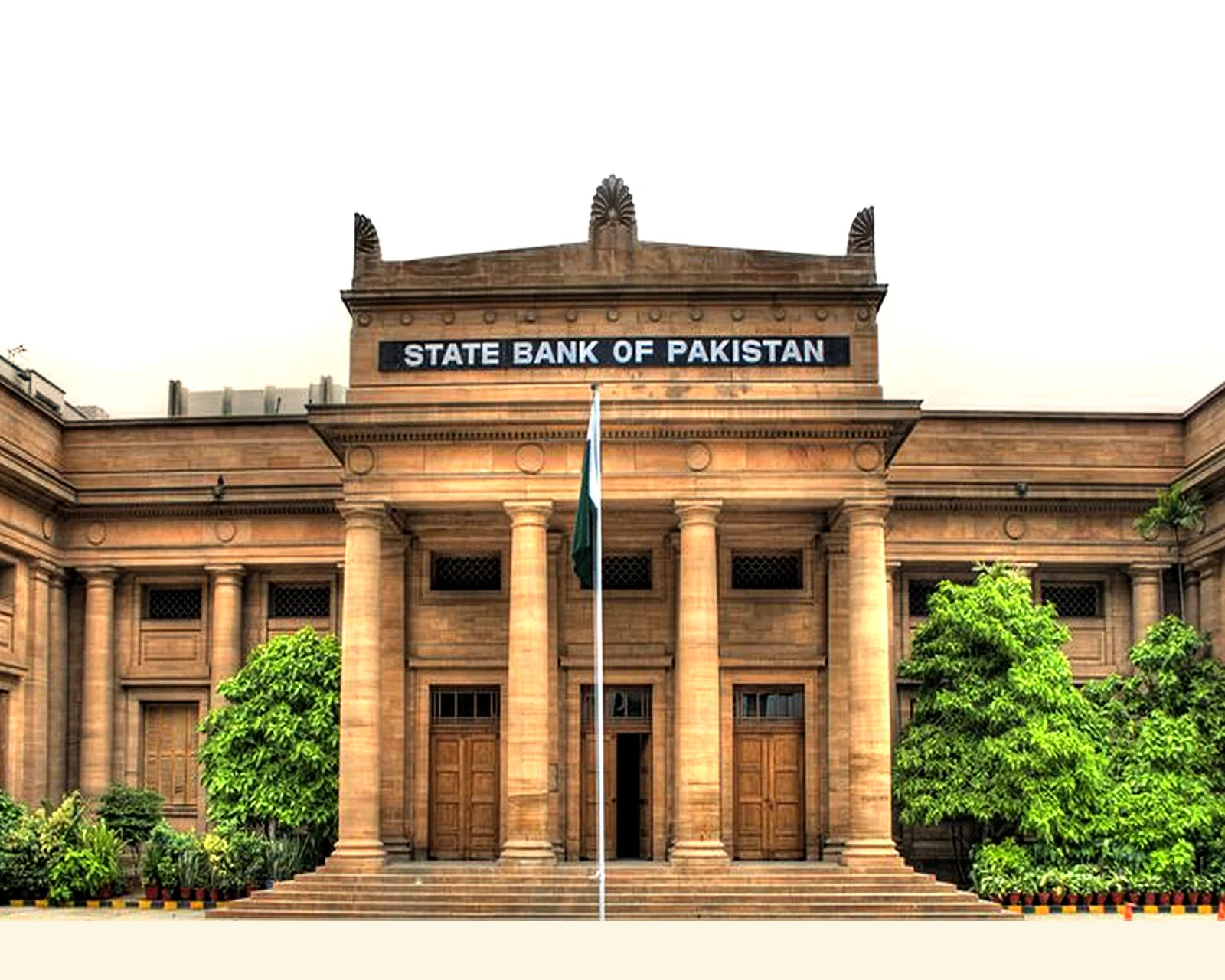
ISLAMABAD — The State Bank of Pakistan (SBP) has revoked the authorization and license of M/s. Al-Rahim Exchange Company (Pvt.) Limited due to serious regulatory violations. The central bank announced on Monday that the exchange company is now prohibited from conducting any foreign exchange-related business activities.
What Happened
The SBP’s decision to annul the license of Al-Rahim Exchange Company follows an investigation that uncovered significant breaches of regulatory guidelines. While the specific nature of the violations was not detailed in the announcement, the central bank emphasized that the infractions were severe enough to warrant the complete cessation of the company’s operations in the foreign exchange market.
According to the SBP, the revocation is part of its ongoing efforts to ensure compliance within the financial sector, particularly among exchange companies that play a crucial role in the country’s economic framework. The central bank has been vigilant in monitoring these entities to prevent any activities that could undermine the integrity of the financial system.
In a statement, the SBP reiterated its commitment to maintaining a robust regulatory environment, stating, “The State Bank of Pakistan is dedicated to upholding stringent regulatory standards to safeguard the financial sector’s stability and protect consumers’ interests.”
Background
The State Bank of Pakistan, as the country’s central bank, is responsible for regulating and supervising the financial sector, including exchange companies. These companies are licensed to conduct foreign exchange transactions, which are pivotal for facilitating international trade and remittances.
Over the years, the SBP has implemented a series of regulatory frameworks aimed at enhancing transparency and accountability within the financial sector. This includes stringent compliance requirements for exchange companies to prevent money laundering and other illicit financial activities.
Al-Rahim Exchange Company, like other exchange firms, was subject to these regulations. The company’s license revocation is part of a broader crackdown by the SBP on non-compliance within the sector. In recent years, the central bank has taken similar actions against other exchange companies found in violation of regulatory norms.
Why It Matters
The revocation of Al-Rahim Exchange Company’s license underscores the SBP’s commitment to enforcing regulatory compliance. This action serves as a warning to other financial entities about the consequences of non-compliance, thereby promoting a culture of accountability within the sector.
For the general public and businesses relying on foreign exchange services, the SBP’s decision may lead to temporary disruptions. However, it also reassures consumers that the central bank is actively working to protect their interests by ensuring that only compliant and trustworthy entities operate in the market.
Economically, maintaining strict regulatory oversight is crucial for Pakistan as it seeks to attract foreign investment and bolster its financial credibility on the international stage. By ensuring that exchange companies adhere to regulatory standards, the SBP helps create a stable and reliable financial environment conducive to economic growth.
Internationally, the SBP’s actions align with global efforts to combat financial crimes and enhance transparency in financial transactions. This move may positively impact Pakistan’s standing in global financial assessments, potentially leading to improved ratings and increased investor confidence.
Key Takeaways
- The SBP has revoked the license of Al-Rahim Exchange Company due to serious regulatory violations.
- The company is now prohibited from conducting any foreign exchange-related activities.
- This action is part of the SBP’s broader efforts to ensure compliance and accountability in the financial sector.
- The decision may temporarily affect consumers but aims to protect their long-term interests.
- Strict regulatory enforcement is vital for Pakistan’s economic stability and international financial credibility.
Source Attribution
This article is based on official government statements, press releases, and public communications from relevant authorities.














