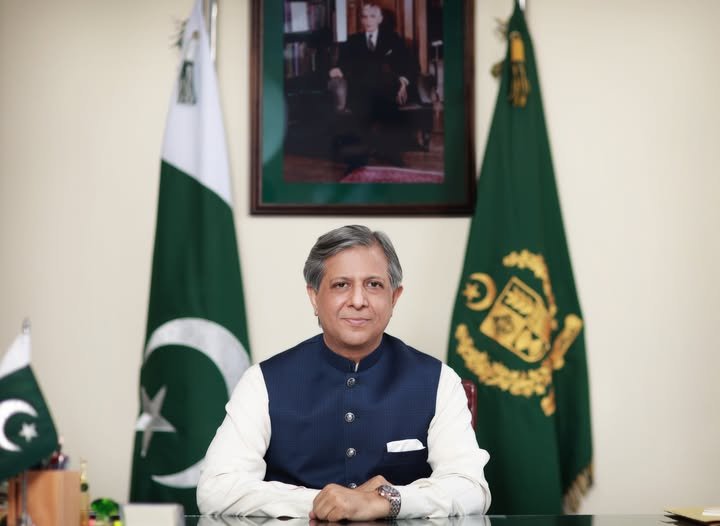
ISLAMABAD — Senator Azam Nazeer Tarar, Federal Minister for Law, Justice and Human Rights, highlighted the enduring significance of Hazrat Imam Hussain’s sacrifice at Karbala. He emphasized it as a monumental example of courage and truth prevailing over oppression. His remarks, made on Friday, underscored the historical and moral importance of the Karbala events.
Historical Context
Senator Azam Nazeer Tarar reflected on the sacrifice made by Hazrat Imam Hussain (AS) and his companions during the Battle of Karbala. He praised the courage and steadfastness of Imam Hussain and his followers facing Yazid’s oppressive forces. The senator noted that the 680 AD events of Karbala resonate as a powerful symbol of the fight for justice and truth.
“The timeless sacrifice of Hazrat Imam Hussain (AS) and his devoted companions at Karbala remains one of history’s greatest examples of courage, steadfastness, and the triumph of truth over oppression,” stated Senator Tarar. He elaborated on how the sacrifice continues to inspire generations against tyranny and injustice.
Global Relevance
Senator Tarar’s comments come as the teachings of Imam Hussain gain renewed relevance. Communities worldwide reflect on justice and sacrifice principles during the Islamic month of Muharram. This period involves mourning and remembrance of Karbala, where Imam Hussain and his followers were martyred.
Internationally, commemorating Imam Hussain’s sacrifice unites Muslims, fostering unity and offering opportunities for interfaith dialogue. The universal story of Karbala is appreciated by diverse audiences.
Event Significance
The Battle of Karbala, occurring on the 10th of Muharram in 680 AD, is pivotal in Islamic history. Hazrat Imam Hussain, Prophet Muhammad’s grandson, opposed the Umayyad caliph Yazid’s oppressive rule. Imam Hussain’s refusal to pledge allegiance to Yazid led to the Karbala confrontation in present-day Iraq.
Despite being outnumbered, Imam Hussain and his followers chose to fight for their principles, leading to martyrdom. This event is commemorated annually during Muharram, especially on Ashura, serving as a reminder of standing up for justice and righteousness.
Impact on Society
The sacrifice of Hazrat Imam Hussain at Karbala holds deep significance for Muslims and all who value justice and moral integrity. The Karbala narrative transcends religious boundaries, offering a universal message about standing up against tyranny.
For Pakistan, a nation built on justice and equality, Karbala’s lessons are particularly strong. Imam Hussain’s story inspires citizens and leaders to uphold these values amidst challenges. Senator Tarar’s remarks remind us of these historical events’ impact on contemporary society.
Key Takeaways
- Senator Tarar emphasized the historical significance of Imam Hussain’s sacrifice at Karbala.
- The Battle of Karbala is annually commemorated during Muharram, focusing on justice and courage themes.
- Imam Hussain’s stand against tyranny continuously inspires global justice movements.
- The Karbala events transcend religious boundaries, offering universal lessons on moral integrity.
- Pakistan’s leaders and citizens are reminded of justice and equality’s importance.