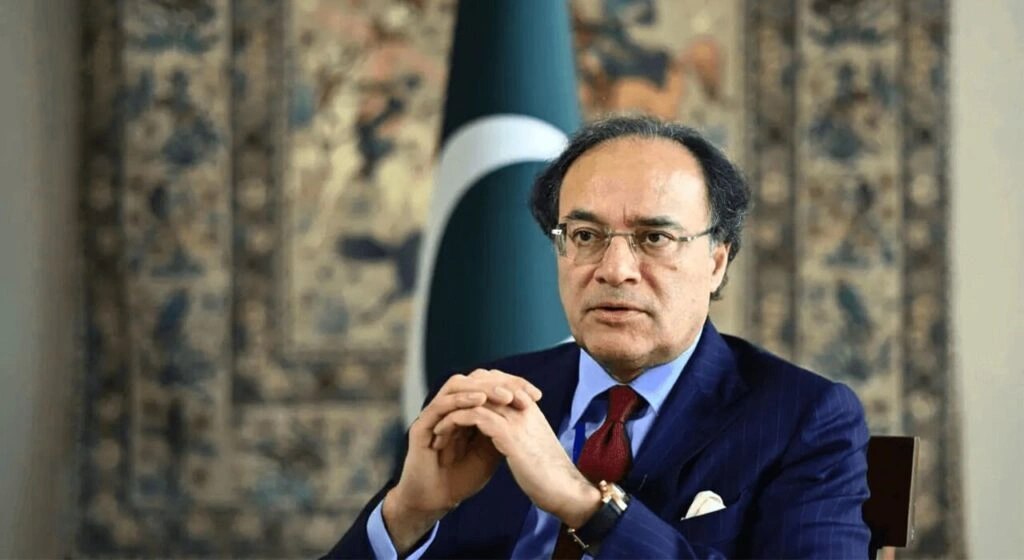
QUETTA — Senator Abdul Qadir, Chairman of the Senate Standing Committee on Defence Production, emphasized Karbala’s enduring significance. He described the martyrdom of Imam Hussain (RA) as a guiding light for truth, justice, and perseverance. On June 24, 2023, Senator Qadir highlighted the timeless lessons Karbala imparts in the fight against oppression.
Enduring Impact of Karbala
Speaking from Quetta, Senator Abdul Qadir articulated the profound impact of Imam Hussain’s (RA) martyrdom and the Battle of Karbala in 680 AD. He described their sacrifice as an enduring symbol of resistance against tyranny and injustice. “The legacy of Imam Hussain (RA) is a beacon illuminating righteousness and courage,” he stated.
The Battle of Karbala, observed annually by millions worldwide, especially during Ashura, commemorates profound spiritual and moral lessons. It serves as a reminder of the struggle for justice and standing against oppression, even at great personal cost.
Historical Significance
The Battle of Karbala holds a significant place in Shia Islamic history. It marks the confrontation between Yazid I’s forces and Imam Hussain (RA), who refused allegiance to Yazid’s unjust rule. The battle resulted in the martyrdom of Imam Hussain (RA) and his followers, all facing severe hardships.
This event has been commemorated for centuries as a pivotal moment in Islamic history, symbolizing the struggle against tyranny and the pursuit of justice. It underscores principles of sacrifice, steadfastness, and resisting unjust authority.
Lessons for Today
Karbala’s message transcends religious boundaries, serving as a powerful reminder to stand firm against injustice and oppression. Its themes of sacrifice and perseverance resonate deeply in today’s world, where social justice and human rights are pressing concerns.
For Pakistan, a nation facing challenges in governance and social justice, Karbala’s lessons offer a framework for ethical leadership and civic responsibility. These commemorations encourage individuals and leaders to reflect on promoting justice and equity within communities.
Key Takeaways
- Senator Abdul Qadir emphasized Karbala’s enduring legacy as a symbol of truth and justice.
- The Battle of Karbala is commemorated annually, highlighting themes of sacrifice and resistance.
- Karbala serves as a universal reminder of standing against oppression.
- In Pakistan, Karbala’s lessons are relevant to contemporary issues of justice and governance.
- Internationally, Karbala inspires movements advocating human rights and dignity.