
PESHAWAR — Sethi House, a historic architectural gem located in the heart of Peshawar, has been officially added to the UNESCO World Heritage list, marking a significant recognition of its cultural and historical value. The announcement was made on August 16, bringing global attention to this unique site nestled in the bustling city.
What Happened
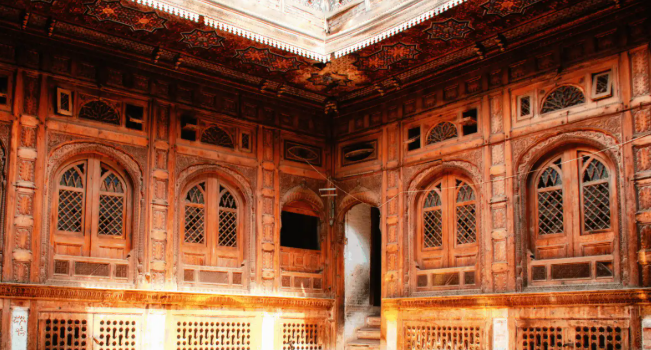
Sethi House, situated in the narrow lanes of Mohallah Sethian near the historic Qissa Khawani Bazaar, has been recognized by UNESCO for its distinctive architectural style that combines elements of wood, glass, and intricate carvings. The house, which dates back to the 19th century, is renowned for its elaborate wooden doors, stained glass windows, and the play of light and shadow within its interiors.
The inclusion of Sethi House in the UNESCO World Heritage list is a testament to its importance as a cultural and historical landmark. The site has long been a point of interest for tourists and historians alike, who are drawn to its unique blend of artistic and architectural features that reflect the rich trading history of Peshawar. The house was built by the Sethi family, prominent traders who played a significant role in the economic and cultural exchanges along the Silk Road.
The UNESCO designation is expected to enhance preservation efforts and boost tourism, as the site gains international recognition. According to local officials, this status will help secure funding and expertise necessary for the conservation of this historic site, ensuring it remains a part of Peshawar’s heritage for future generations.
Background
Sethi House was constructed in the late 1800s by the Sethi family, who were influential traders in the region. The family was known for their extensive trade networks that stretched from Central Asia to the Indian subcontinent. The house itself is a reflection of the wealth and status the family enjoyed during that era.
The architecture of Sethi House is a blend of traditional South Asian and Central Asian styles, featuring intricate woodwork and vibrant stained glass that are characteristic of the period. The house has been preserved as a museum, offering visitors a glimpse into the opulent lifestyle of Peshawar’s merchant class in the 19th century.
Over the years, various efforts have been made to preserve the house, with local authorities and cultural organizations working to maintain its structural integrity and historical authenticity. The addition to the UNESCO list is seen as a culmination of these efforts, providing a framework for ongoing preservation and promotion of the site.
Why It Matters
The inclusion of Sethi House in the UNESCO World Heritage list is significant for several reasons. Economically, it is expected to increase tourism to Peshawar, bringing with it potential revenue and job opportunities for the local community. The recognition also highlights the cultural richness of the region, encouraging further exploration and appreciation of Pakistan’s historical sites.
Socially, the designation serves as a point of pride for the people of Peshawar, reinforcing their cultural identity and heritage. It also underscores the importance of preserving historical sites not just for their aesthetic value, but for their role in telling the stories of past generations.
On an international level, the recognition of Sethi House by UNESCO places Pakistan on the global map of cultural heritage, attracting scholars, historians, and tourists from around the world. This can lead to increased cultural exchanges and a better understanding of Pakistan’s historical contributions to global trade and culture.
Key Takeaways
- Sethi House in Peshawar has been added to the UNESCO World Heritage list.
- The site is known for its unique architectural style combining wood, glass, and intricate carvings.
- The recognition is expected to boost tourism and preservation efforts in Peshawar.
- The house reflects the rich trading history of the Sethi family and Peshawar’s cultural heritage.
- UNESCO status enhances Pakistan’s presence on the global cultural heritage map.
Source Attribution
This article is based on official government statements, press releases, and public communications from relevant authorities.














