
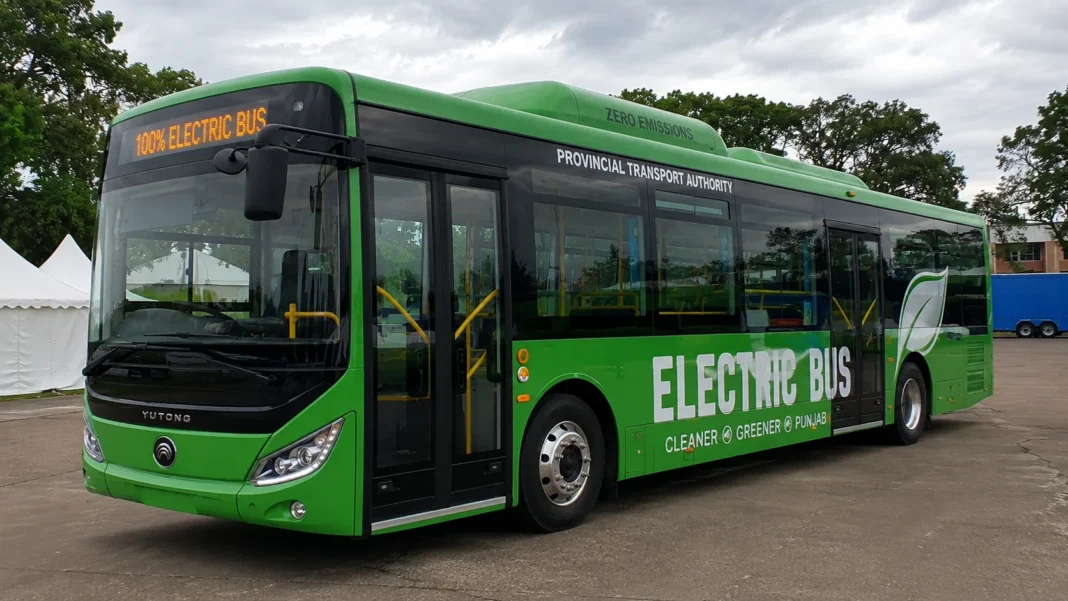
ISLAMABAD — Sialkot is poised to launch an environmentally friendly electric bus service later this month, aiming to provide residents with a cleaner, more comfortable, and cost-effective mode of public transportation, according to local officials. The service will operate on two major routes, enhancing urban mobility and reducing the city’s carbon footprint.
What Happened
The announcement of the electric bus service was made by officials on Thursday, highlighting the city’s commitment to sustainable urban development. The initiative is part of a broader effort to modernize public transportation systems across Pakistan, aligning with global trends towards greener transport solutions.
The new fleet of electric buses will serve two primary routes within Sialkot, offering a significant upgrade to the current public transport options. These buses are designed to provide a more comfortable travel experience while also being economically viable for daily commuters. By shifting to electric buses, the city aims to reduce vehicular emissions, contributing to improved air quality and public health.
Officials have emphasized that the introduction of electric buses is expected to lower operational costs compared to traditional diesel-powered buses. This cost-effectiveness is anticipated to translate into more affordable fares for passengers, thereby encouraging more residents to opt for public transport over private vehicles.
Background
Sialkot, known for its vibrant industrial sector, has been grappling with increasing traffic congestion and pollution, common challenges in many urban areas across Pakistan. The city’s decision to adopt electric buses is part of a national strategy to tackle these issues through sustainable solutions.
In recent years, the Pakistani government has been actively promoting the adoption of electric vehicles (EVs) as part of its National Electric Vehicle Policy, which aims to have 30% of all vehicles in the country running on electricity by 2030. This policy is designed to reduce the country’s reliance on imported fossil fuels, decrease greenhouse gas emissions, and stimulate the local economy by fostering new industries related to EV manufacturing and infrastructure.
Why It Matters
The introduction of electric buses in Sialkot is a significant step towards achieving Pakistan’s environmental and economic goals. By reducing emissions, the city contributes to the national effort to combat climate change, which is increasingly affecting Pakistan through extreme weather events and rising temperatures.
Economically, the shift to electric buses presents an opportunity to reduce the operational costs of public transportation. Electric buses typically require less maintenance and have lower fuel costs compared to their diesel counterparts. This can lead to reduced fares, making public transport more accessible to a broader segment of the population.
Socially, the initiative is expected to improve the quality of life for Sialkot’s residents. Cleaner air resulting from reduced emissions can lead to better health outcomes, while the availability of reliable and affordable public transport can enhance mobility and reduce the reliance on personal vehicles, alleviating traffic congestion.
On an international level, Pakistan’s move towards electric public transportation aligns with global efforts to reduce carbon footprints and promote sustainable urban development. It positions the country as a proactive player in the global transition to green energy solutions.
Key Takeaways
- Sialkot will launch an electric bus service later this month on two major routes.
- The initiative aims to provide a cleaner, more comfortable, and affordable public transport option.
- This move aligns with Pakistan’s National Electric Vehicle Policy targeting 30% EV adoption by 2030.
- Electric buses are expected to reduce operational costs and improve air quality in the city.
- The project supports Pakistan’s broader environmental and economic objectives.
Source Attribution
This article is based on official government statements, press releases, and public communications from relevant authorities.














