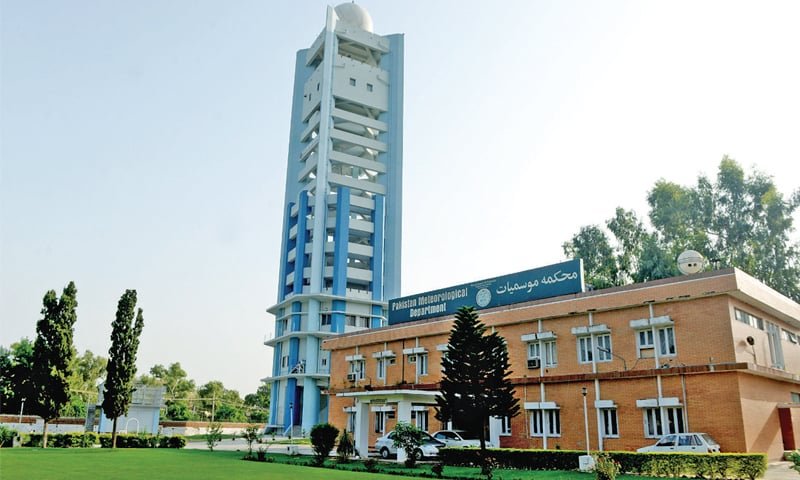
KARACHI — The Pakistan Meteorological Department has forecasted persistently hot and dry weather conditions across most districts of Sindh for the next 24 hours. This announcement comes as the province continues to experience soaring temperatures, with the highest recorded at 46 degrees Celsius in Nawabshah.
What Happened
The Pakistan Meteorological Department (PMD) issued a weather advisory on Wednesday, predicting that the hot and dry spell currently affecting Sindh will persist. The forecast indicates that most districts in the province will continue to experience elevated temperatures and dry conditions over the coming day. The PMD’s data from the last 24 hours highlights the severity of the heatwave, with Nawabshah recording the highest temperature at 46 degrees Celsius.
Other areas in Sindh have also reported high temperatures, with Sakrand and Padidan reaching 44 degrees Celsius, Hyderabad and Sukkur both at 44 degrees Celsius, Dadu at 43 degrees Celsius, Mithi at 42 degrees Celsius, Mohenjo Daro at 41 degrees Celsius, Thatta at 39 degrees Celsius, and Karachi at 36 degrees Celsius. These figures underscore the widespread impact of the current heatwave across the province.
Residents in these areas are advised to take necessary precautions to avoid heat-related illnesses. The PMD has urged people to stay hydrated and avoid outdoor activities during peak heat hours.
Background
Sindh, located in the southern part of Pakistan, is no stranger to high temperatures, particularly during the summer months. The region often experiences heatwaves that can have severe impacts on health, agriculture, and daily life. Historically, the province has seen temperatures rise to extreme levels, with Nawabshah previously recording one of the highest temperatures in the world at 50.2 degrees Celsius in May 2018.
The current heatwave is part of a broader pattern of rising temperatures attributed to climate change, which has been affecting weather patterns globally. The Intergovernmental Panel on Climate Change (IPCC) has warned that such extreme weather events are likely to become more frequent and intense.
Why It Matters
The ongoing heatwave in Sindh has significant implications for the province’s population and economy. High temperatures can lead to increased health risks, particularly for vulnerable groups such as the elderly and those with pre-existing health conditions. Heat-related illnesses, including heatstroke and dehydration, pose a serious threat during prolonged periods of extreme heat.
Economically, the heatwave can impact agricultural productivity, as crops may suffer from the lack of moisture and high temperatures. This can lead to reduced yields and financial losses for farmers, affecting food supply and prices. Additionally, the increased demand for electricity to power cooling systems can strain the energy infrastructure, leading to potential power outages.
On a broader scale, the recurring heatwaves highlight the urgent need for climate adaptation and mitigation strategies. As Pakistan grapples with the effects of climate change, there is a growing need for policies that address the root causes of rising temperatures and support communities in adapting to these changes.
Key Takeaways
- The Pakistan Meteorological Department forecasts continued hot and dry weather in Sindh for the next 24 hours.
- Nawabshah recorded the highest temperature at 46 degrees Celsius, with other areas also experiencing extreme heat.
- Sindh’s heatwave poses health risks and economic challenges, particularly for vulnerable populations and the agricultural sector.
- The recurring extreme temperatures underscore the need for climate change adaptation and mitigation efforts in Pakistan.
- Residents are advised to stay hydrated and avoid outdoor activities during peak heat hours to prevent heat-related illnesses.
Source Attribution
This article is based on official statements from the Pakistan Meteorological Department and public communications from relevant authorities.