
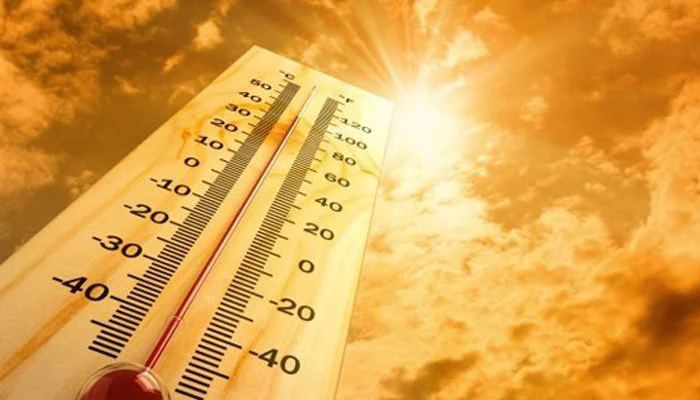
KARACHI — The Pakistan Meteorological Department (PMD) has issued a forecast predicting hot and dry weather across most districts in Sindh over the next 24 hours. This weather is expected to persist, affecting daily activities and potentially impacting agriculture in the region.
Current Weather Situation
The PMD’s latest weather bulletin indicates that Sindh will experience predominantly hot and dry conditions. Temperatures are rising, with many areas already seeing above-average heat levels. Residents are advised to take precautions, such as staying hydrated and avoiding prolonged sun exposure.
The current weather conditions result from a high-pressure system over the region, inhibiting cloud formation and precipitation. This system will maintain its influence, leading to consistently high temperatures and dry conditions. No significant rainfall is anticipated during this period.
Local Response and Concerns
Local authorities are urged to prepare for potential heat-related challenges. Health officials are particularly concerned about risks such as heatstroke and dehydration, especially for vulnerable populations like the elderly and children. The PMD’s warning highlights the importance of community awareness and preparedness in facing extreme weather.
Regional Challenges
Sindh, located in southeastern Pakistan, is known for its arid climate with hot summers and mild winters. The region often experiences heatwaves in the summer, affecting public health and agriculture. Historically, Sindh’s challenges include water scarcity and irrigation issues, making it vulnerable to prolonged dry spells.
Climate change has worsened these issues, leading to more frequent and intense weather events. The government and NGOs are working on strategies to combat climate effects, including early warning systems and community education programs.
Impact on Agriculture and Health
The forecast of hot and dry weather carries significant implications for Sindh’s economy and public health. Agriculture, a major economic activity, depends on consistent weather and adequate rainfall. Prolonged dryness can reduce crop yields, affecting food security and farmers’ livelihoods.
Extreme heat increases the risk of heat-related illnesses, which can be life-threatening if not addressed promptly. Public health systems may face additional strain as they provide care and resources to those affected by the heat.
Climate Resilience Efforts
On a broader scale, the recurring extreme weather in Sindh underscores the urgent need for comprehensive climate adaptation strategies. As climate change alters global weather patterns, regions like Sindh must prioritize building resilience to protect communities and economies.
Key Takeaways
- The PMD forecasts hot and dry weather in Sindh for the next 24 hours.
- High temperatures are expected to persist due to a high-pressure system.
- Agriculture and public health in Sindh are at risk due to extreme heat.
- Authorities are urged to prepare for potential heat-related challenges.
- Climate change exacerbates the frequency and intensity of such weather events.
Source Attribution
The information in this article is based on forecasts from the Pakistan Meteorological Department.














