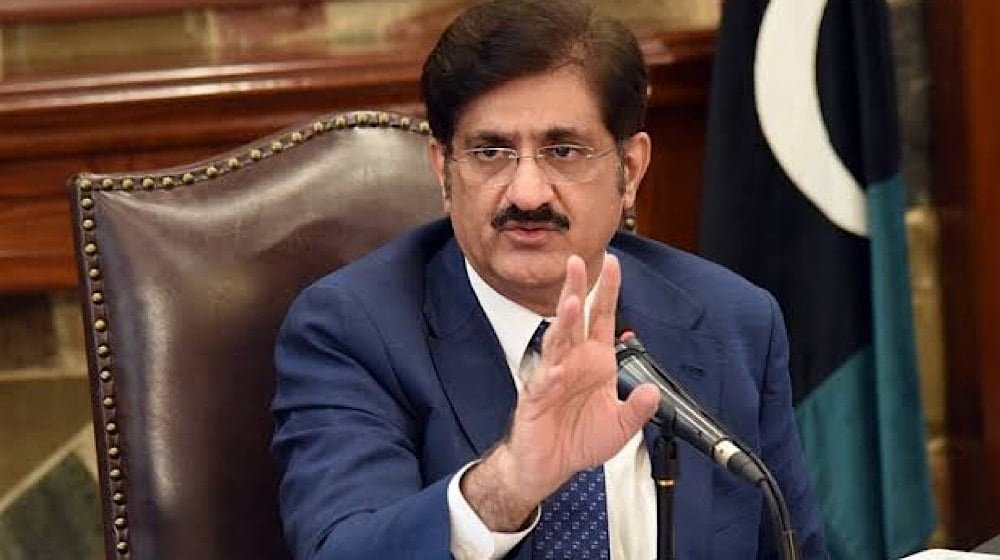
ISLAMABAD — Sindh Chief Minister Syed Murad Ali Shah and Federal Minister for National Heritage and Culture Division Aurangzeb Khan Khichi convened on Monday to address issues concerning the Quaid-e-Azam Mazar Management Board (QMMB) and the National Library of Pakistan’s Regional Office in Karachi. The meeting focused on enhancing cooperation for the preservation of national heritage and resolving administrative challenges.
What Happened
The meeting between Chief Minister Murad Ali Shah and Minister Aurangzeb Khan Khichi took place in Karachi, where they discussed the operational and administrative matters of the Quaid-e-Azam Mazar Management Board (QMMB) and the National Library of Pakistan’s Regional Office. Both leaders emphasized the need for improved coordination to ensure the effective management and preservation of these critical national heritage sites.
Chief Minister Shah highlighted the importance of maintaining the Quaid-e-Azam Mazar, a site of national significance, and ensuring that it remains a symbol of pride for Pakistan. He stated, “The Mazar is not just a monument but a testament to our history and the struggle for independence. It is imperative that we address any issues that may hinder its upkeep.”
Federal Minister Khichi echoed these sentiments, acknowledging the challenges faced by the National Library’s Regional Office in Karachi. He noted, “Libraries are the custodians of knowledge and culture. Strengthening their infrastructure and administrative frameworks is crucial for promoting education and preserving our cultural heritage.”
The discussion also covered potential strategies for enhancing the operational efficiency of these institutions, including the allocation of additional resources and personnel, as well as the implementation of modern management practices.
Background
The Quaid-e-Azam Mazar, the resting place of Pakistan’s founding father, Muhammad Ali Jinnah, is managed by the Quaid-e-Azam Mazar Management Board. This site is not only a historical monument but also a symbol of national unity and pride. Over the years, the board has faced challenges in maintaining the site due to limited resources and administrative hurdles.
The National Library of Pakistan, with its regional office in Karachi, plays a pivotal role in preserving the country’s literary and cultural heritage. However, it has been grappling with issues such as inadequate funding, staffing shortages, and outdated facilities, which have hampered its ability to serve the public effectively.
Why It Matters
The preservation of national heritage sites like the Quaid-e-Azam Mazar is vital for maintaining the cultural identity and historical continuity of Pakistan. These sites serve as educational resources and tourist attractions, contributing to both cultural enrichment and economic development. The effective management of such sites ensures that they remain accessible and informative for future generations.
Similarly, the National Library’s role in archiving and disseminating knowledge is crucial for fostering an informed and educated populace. By addressing the administrative and operational challenges faced by the library, the government can enhance its ability to support research, education, and cultural preservation.
The collaboration between provincial and federal authorities in tackling these issues underscores the importance of coordinated efforts in safeguarding national heritage. This partnership is expected to lead to more efficient resource allocation, improved management practices, and ultimately, the better preservation of Pakistan’s cultural and historical assets.
Key Takeaways
- Sindh CM and Federal Minister discussed management issues of QMMB and National Library.
- Focus on improving coordination for preservation of national heritage sites.
- Potential strategies include resource allocation and modern management practices.
- Preservation of heritage sites is crucial for cultural identity and economic development.
- Collaboration between provincial and federal authorities is essential for effective management.
Source Attribution
This article is based on official government statements, press releases, and public communications from relevant authorities.