
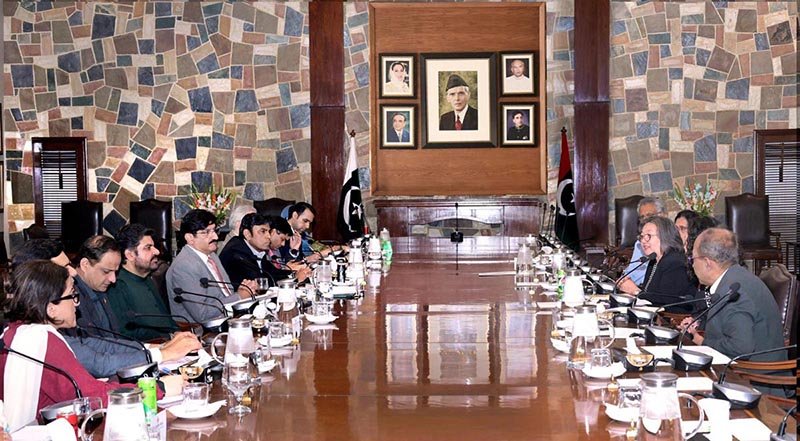
ISLAMABAD — Sindh Chief Minister Syed Murad Ali Shah met with World Bank Country Director Ms. Bolormaa Amgaabazar at the CM House to discuss the Karachi Water and Sewerage Services Improvement Project (KWSSIP). The meeting focused on reviewing the progress, addressing implementation challenges, and planning the next steps for the project.
What Happened
The meeting between Chief Minister Syed Murad Ali Shah and World Bank Country Director Ms. Bolormaa Amgaabazar was held to evaluate the current status of the Karachi Water and Sewerage Services Improvement Project (KWSSIP). The project, which aims to overhaul Karachi’s water supply and sewerage infrastructure, has faced several challenges since its inception.
During the discussion, both parties examined the progress made so far and identified key obstacles that have hindered the project’s implementation. Chief Minister Shah emphasized the importance of overcoming these challenges to ensure the project’s success. “We are committed to improving the water and sewerage services for the citizens of Karachi,” he stated.
Ms. Amgaabazar acknowledged the efforts made by the Sindh government and reiterated the World Bank’s support for the project. She highlighted the need for effective coordination between various stakeholders to address the issues at hand and ensure timely completion of the project phases.
The meeting concluded with an agreement to enhance collaboration and communication among the involved parties, with a focus on accelerating the project’s progress and addressing the identified challenges.
Background
The Karachi Water and Sewerage Services Improvement Project (KWSSIP) is a significant initiative aimed at upgrading the city’s aging water supply and sewerage systems. Launched in collaboration with the World Bank, the project seeks to improve the quality and reliability of water services for Karachi’s residents.
Karachi, Pakistan’s largest city, has long struggled with inadequate water supply and poor sewerage infrastructure. The issues have been exacerbated by rapid urbanization and population growth, leading to severe water shortages and sanitation problems.
The KWSSIP was initiated to address these challenges by modernizing the existing infrastructure, enhancing operational efficiency, and ensuring sustainable water management practices. The project is expected to benefit millions of Karachi’s residents by providing them with improved access to clean water and better sanitation facilities.
Why It Matters
The successful implementation of the KWSSIP is crucial for Karachi’s development and the well-being of its citizens. Access to clean water and effective sewerage systems are fundamental to public health, economic growth, and social stability.
Economically, the project has the potential to boost Karachi’s productivity by reducing water-related disruptions and improving the overall quality of life for its residents. Reliable water and sewerage services can attract investment, support business operations, and contribute to the city’s economic resilience.
Socially, the project addresses critical public health issues associated with inadequate water supply and poor sanitation. By improving access to clean water and sanitation facilities, the KWSSIP can significantly reduce the incidence of waterborne diseases, enhance public health outcomes, and improve the quality of life for Karachi’s population.
Furthermore, the project’s success could serve as a model for similar initiatives in other parts of Pakistan, demonstrating the effectiveness of collaborative efforts between government authorities and international organizations in addressing urban infrastructure challenges.
Key Takeaways
- Sindh Chief Minister and World Bank Country Director discussed the KWSSIP at the CM House.
- The meeting focused on progress, challenges, and future steps for the project.
- KWSSIP aims to improve Karachi’s water and sewerage infrastructure.
- Successful implementation is vital for Karachi’s economic and social development.
- The project could serve as a model for similar initiatives across Pakistan.
Source Attribution
This article is based on official government statements, press releases, and public communications from relevant authorities.














