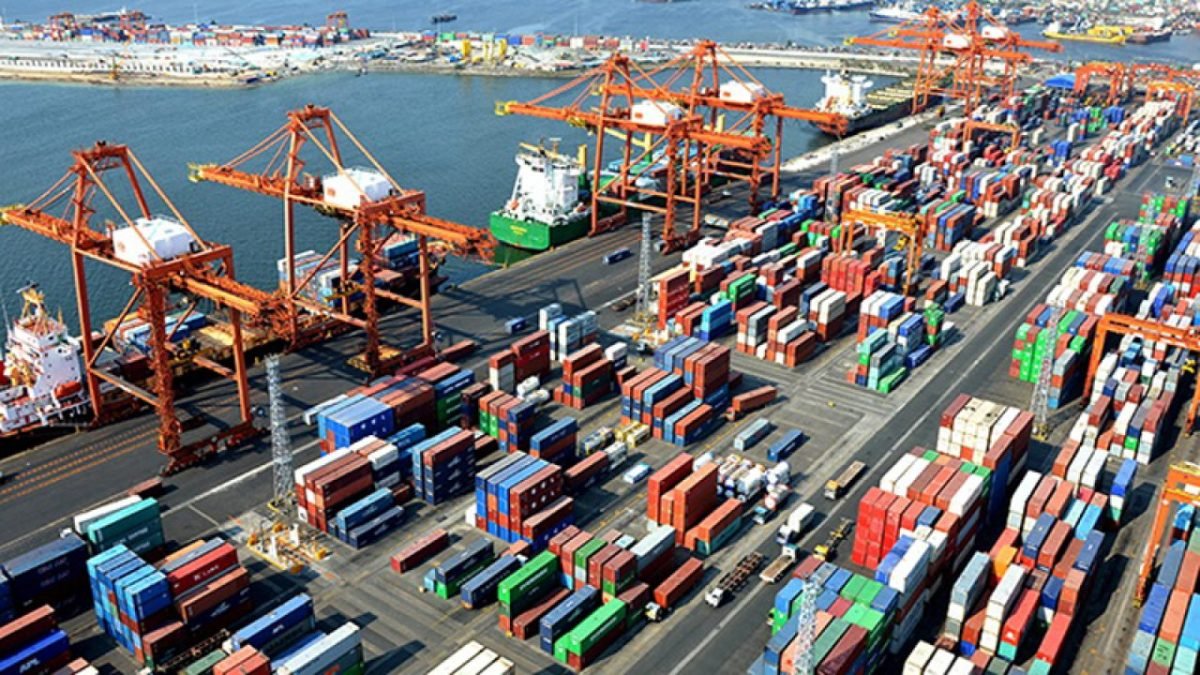
KARACHI — Six vessels, including Bai Chay Bridge and APL Qingdao, arrived at Port Qasim on Thursday, carrying diverse cargo such as containers, palm oil, LNG, and coal, marking a significant day in shipping activity.
What Happened
On Thursday, Port Qasim witnessed the arrival of six ships, enhancing its role as a vital hub for Pakistan’s maritime trade. The vessels, Bai Chay Bridge, APL Qingdao, Zeal Start, British Contributor, Feng De Hai, and Akij Pearl, berthed at various terminals within the port, including the Qasim International Container Terminal, Liquid Cargo Terminal, Engro Elengy Terminal, Port Qasim Electric Power Terminal, and Bulk Cargo Terminal-4. These ships brought in a variety of essential goods, including containers, palm oil, liquefied natural gas (LNG), and coal.
The docking of these vessels underscores the port’s capacity to handle a wide range of cargo types, reflecting its strategic importance in facilitating Pakistan’s trade and energy supply. The Bai Chay Bridge and APL Qingdao, in particular, are noted for their container shipments, while the Zeal Start and British Contributor carried palm oil and LNG, respectively. The Feng De Hai and Akij Pearl delivered coal, which is crucial for energy production in the country.
Port Qasim’s efficient handling of these shipments is critical for maintaining the flow of goods and energy resources, which are vital for Pakistan’s economy. The port’s ability to accommodate such diverse cargo types highlights its operational flexibility and strategic significance.
Background
Port Qasim, located in Karachi, is one of Pakistan’s busiest and most strategically important ports. Established in the 1970s, it has grown to become a key player in the country’s maritime trade. The port’s facilities have been continually upgraded to handle increasing volumes of cargo, including containers, bulk goods, and liquid cargo. It serves as a crucial gateway for imports and exports, contributing significantly to the national economy.
Historically, Port Qasim has played a vital role in supporting Pakistan’s industrial and energy sectors. The port’s terminals are equipped to handle a variety of cargo, from agricultural products to industrial raw materials and energy resources. Its strategic location and comprehensive facilities make it an essential component of Pakistan’s trade infrastructure.
Why It Matters
The arrival of these six ships at Port Qasim is significant for several reasons. Economically, the import of containers, palm oil, LNG, and coal supports various sectors critical to Pakistan’s growth. Containers often carry consumer goods, industrial equipment, and raw materials necessary for manufacturing. Palm oil is a staple in the food industry, while LNG is increasingly vital for energy generation as Pakistan seeks to diversify its energy sources away from traditional fossil fuels.
Coal remains an essential component of Pakistan’s energy mix, despite global shifts towards renewable energy. The delivery of coal by Feng De Hai and Akij Pearl ensures continuity in power generation, which is crucial for both industrial operations and household consumption.
Socially, the efficient operation of Port Qasim supports employment and economic stability in the region. The port’s activities create jobs and stimulate economic activity, contributing to the livelihoods of thousands of people. Furthermore, the timely import of goods helps stabilize prices and ensures the availability of essential commodities in the market.
Internationally, the port’s operations reflect Pakistan’s integration into global trade networks. By efficiently handling diverse cargo types, Port Qasim strengthens Pakistan’s trade relationships and enhances its reputation as a reliable trade partner.
Key Takeaways
- Six ships, including Bai Chay Bridge and APL Qingdao, arrived at Port Qasim with diverse cargo.
- The vessels carried containers, palm oil, LNG, and coal, highlighting the port’s operational capacity.
- Port Qasim plays a crucial role in supporting Pakistan’s economy and energy needs.
- The port’s activities contribute to employment and economic stability in the region.
- Efficient cargo handling enhances Pakistan’s international trade relationships.
Source Attribution
This article is based on official government statements, press releases, and public communications from relevant authorities.