
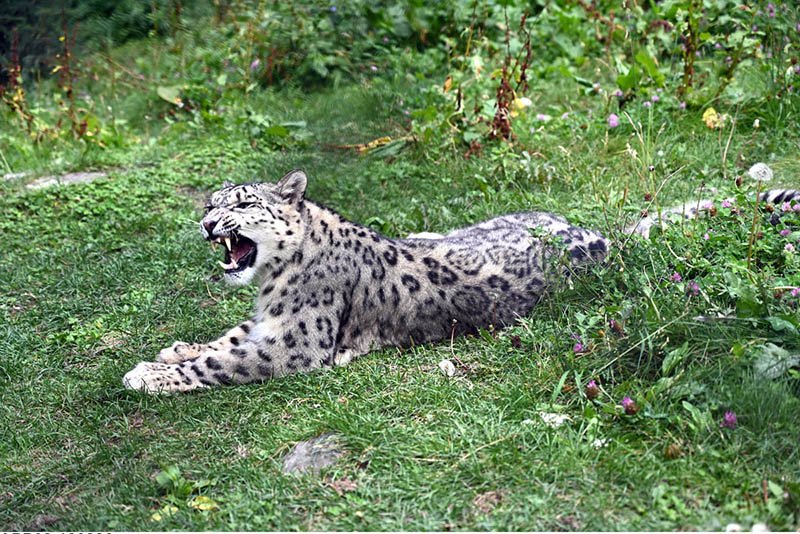
GILGIT — A snow leopard, currently under the care of the Wildlife Department in Naltar Valley, has become a symbol of successful wildlife conservation efforts in Pakistan. Originally brought from Khunjerab, Hunza, in 2016, the snow leopard is now approximately 12 years old and continues to thrive in its current habitat.
What Happened
The snow leopard, which was relocated to Naltar Valley seven years ago, is part of a broader initiative to protect and preserve endangered species in Pakistan. The Wildlife Department has been actively involved in ensuring the well-being of this majestic creature, providing it with a safe and nurturing environment. The animal’s presence in Naltar Valley has not only raised awareness about wildlife conservation but also attracted tourists and researchers interested in studying this elusive species.
According to officials from the Wildlife Department, the snow leopard’s health is regularly monitored, and it receives a diet that mimics its natural food sources. The department has also implemented measures to ensure the security of the leopard, protecting it from potential threats such as poaching and habitat encroachment. “We are committed to the conservation of snow leopards and other endangered species in the region,” stated a Wildlife Department official. “Our efforts are focused on creating a sustainable environment where these animals can thrive.”
In addition to its conservation efforts, the department has been working on community engagement programs to educate the local population about the importance of preserving wildlife. These initiatives aim to foster a sense of responsibility among the residents, encouraging them to participate actively in conservation activities.
Background
Snow leopards are native to the mountain ranges of Central and South Asia, including the northern regions of Pakistan. They are classified as vulnerable by the International Union for Conservation of Nature (IUCN), with an estimated population of fewer than 10,000 mature individuals in the wild. The primary threats to their survival include habitat loss, poaching, and retaliatory killings by herders who view them as a threat to livestock.
In Pakistan, the government and various non-governmental organizations have been working together to implement conservation strategies aimed at protecting snow leopards. These efforts include habitat restoration, anti-poaching patrols, and community-based conservation programs. The relocation of the snow leopard to Naltar Valley is part of these broader conservation initiatives.
Why It Matters
The successful care and preservation of the snow leopard in Naltar Valley hold significant implications for wildlife conservation in Pakistan. By safeguarding this endangered species, the Wildlife Department is contributing to the global efforts to maintain biodiversity and ecological balance. The presence of the snow leopard in Naltar Valley serves as a reminder of the rich natural heritage of the region and the need to protect it for future generations.
Economically, the conservation of snow leopards has the potential to boost eco-tourism in the region. Tourists and researchers drawn to the area by the opportunity to observe these rare animals can provide a source of income for local communities. This, in turn, can encourage further investment in conservation efforts and infrastructure development.
Socially, the conservation programs have fostered a greater awareness and appreciation for wildlife among the local population. By involving communities in conservation activities, the Wildlife Department is helping to build a culture of environmental stewardship that can have lasting positive effects on the region’s ecological health.
Key Takeaways
- The snow leopard in Naltar Valley is thriving under the care of the Wildlife Department.
- Efforts include habitat protection, health monitoring, and community engagement.
- Snow leopards are classified as vulnerable, with fewer than 10,000 mature individuals in the wild.
- Conservation efforts have economic and social benefits, including potential for eco-tourism.
- Community involvement is crucial for the success of conservation initiatives.
Source Attribution
This article is based on official government statements, press releases, and public communications from relevant authorities.














