
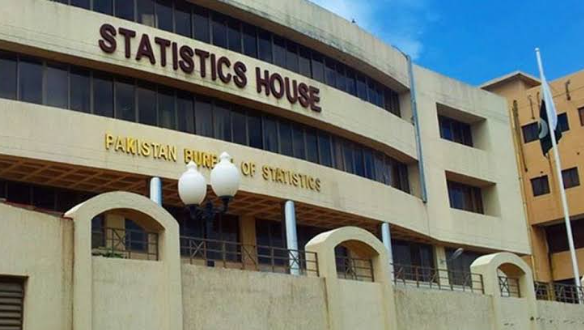
ISLAMABAD — The Pakistan Bureau of Statistics (PBS) reported a 0.49% increase in the Sensitive Price Indicator (SPI)-based weekly inflation for the week ending September 17, 2026. This rise affects the combined consumption group across the country, reflecting the ongoing economic challenges faced by Pakistani households.
What Happened
The Sensitive Price Indicator, a critical measure of price changes for essential commodities, showed an uptick of 0.49% over the past week. This increase is indicative of rising costs in essential goods, impacting the purchasing power of the average consumer. The PBS data, released on Friday, highlighted that the inflationary pressures are primarily driven by fluctuations in the prices of food items, energy, and other basic necessities.
Among the commodities contributing to this inflationary trend, the prices of onions, tomatoes, and chicken saw significant increases. The cost of onions rose by 3.5%, tomatoes by 2.8%, and chicken by 1.9%. In contrast, some items such as sugar and wheat flour experienced a slight decrease in prices, offering minimal relief to consumers.
Energy prices also played a role in the inflationary trend, with electricity tariffs witnessing a marginal increase, further burdening households already grappling with high utility bills. The PBS report underscored these factors as central to the weekly inflation rise, which continues to challenge the economic stability and financial planning of families across Pakistan.
Background
The Sensitive Price Indicator is a tool used by the Pakistan Bureau of Statistics to monitor the price changes of 51 essential items consumed by the majority of the population. It is a crucial indicator for policymakers and economists to assess inflationary trends and their impact on the economy.
Historically, Pakistan has faced persistent inflationary pressures due to various factors, including supply chain disruptions, currency depreciation, and fluctuating global oil prices. The government has implemented several measures to control inflation, such as subsidies on essential goods and adjustments in monetary policy. However, these efforts have often been met with limited success due to structural economic challenges and external economic pressures.
Why It Matters
The rise in SPI-based inflation is a significant concern for both consumers and policymakers in Pakistan. For the average citizen, this increase translates to higher costs for daily necessities, which can strain household budgets and reduce disposable income. This is particularly challenging for low and middle-income families who spend a substantial portion of their income on food and basic utilities.
From an economic perspective, persistent inflation can erode the purchasing power of the currency, leading to decreased consumer confidence and spending. This can have a ripple effect on the broader economy, potentially slowing down economic growth and affecting employment rates. For businesses, rising costs of raw materials and energy can lead to increased production costs, which may be passed on to consumers in the form of higher prices.
On a policy level, the government faces the challenge of balancing inflation control with economic growth. Measures to curb inflation, such as interest rate hikes, can slow down economic activity, while unchecked inflation can lead to economic instability. The current inflationary trend underscores the need for comprehensive economic reforms to address the underlying causes of inflation and promote sustainable economic growth.
Key Takeaways
- The SPI-based inflation in Pakistan rose by 0.49% for the week ending September 17, 2026.
- Essential commodities like onions, tomatoes, and chicken saw significant price increases.
- Energy prices, including electricity tariffs, contributed to the inflationary pressures.
- Persistent inflation poses challenges to household budgets and economic stability.
- Government faces the task of managing inflation while promoting economic growth.
Source Attribution
This article is based on official government statements, press releases, and public communications from relevant authorities.














