
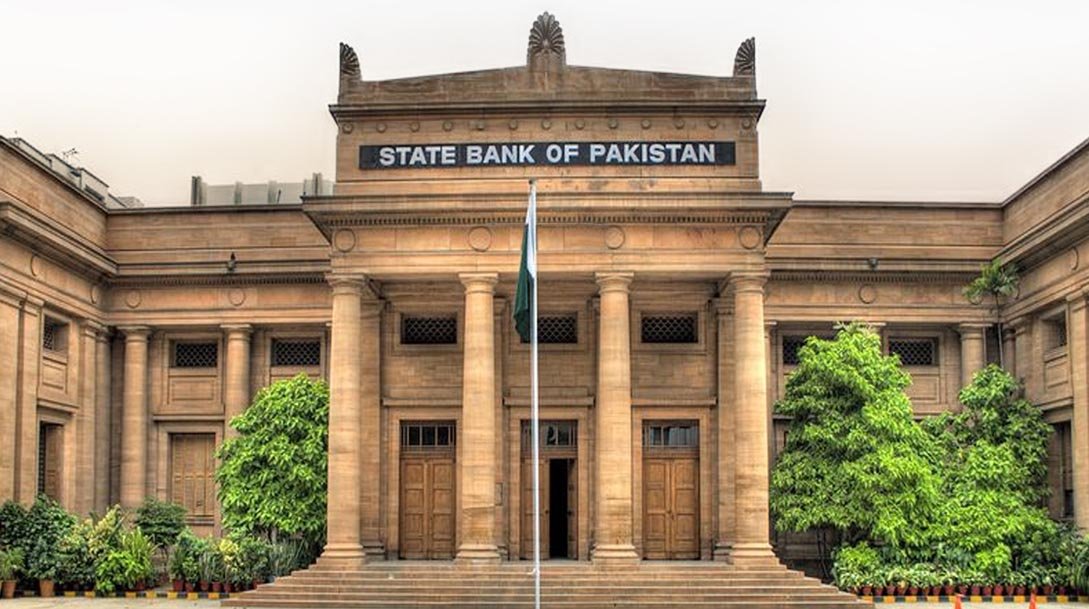
ISLAMABAD — The State Bank of Pakistan (SBP) injected Rs 13,851 billion into the financial market on Friday through Reverse Repo Purchase and Shariah Compliant Mudarabah-based Open Market Operations (OMO). This substantial infusion aims to maintain liquidity and ensure stability in the banking sector amid ongoing economic challenges.
What Happened
The SBP’s decision to inject over Rs 13.85 trillion comes as a strategic move to support the financial system’s liquidity requirements. The bank utilized Reverse Repo Purchase and Shariah Compliant Mudarabah-based OMO as mechanisms to achieve this goal. Such operations are critical in managing the short-term liquidity needs of banks, allowing them to meet their immediate financial obligations and continue lending activities.
The Reverse Repo Purchase is a common monetary policy tool where the central bank buys securities from commercial banks with an agreement to sell them back at a later date. This process temporarily increases the money supply in the banking system. Meanwhile, the Shariah Compliant Mudarabah-based OMO aligns with Islamic banking principles, providing a non-interest-based alternative for liquidity management.
According to the SBP, this measure is part of its ongoing efforts to stabilize the financial markets, particularly in light of the economic pressures exacerbated by both domestic and global factors. The injection is expected to provide immediate relief to banks facing liquidity shortages, thereby supporting continued economic activity.
Background
The SBP regularly conducts Open Market Operations as part of its monetary policy framework to manage liquidity in the banking system. These operations are crucial for maintaining the balance between money supply and demand, influencing interest rates, and ensuring financial stability.
Historically, the SBP has resorted to such measures during periods of economic uncertainty or when there is a risk of liquidity crunches. The current economic environment, marked by inflationary pressures and external debt obligations, has necessitated proactive steps to safeguard the financial system.
In recent months, Pakistan’s economy has faced significant challenges, including rising inflation, a depreciating currency, and external payment pressures. These factors have contributed to tighter liquidity conditions, prompting the SBP to act decisively to prevent any adverse impact on the banking sector and the broader economy.
Why It Matters
The infusion of Rs 13.85 trillion is significant for several reasons. Economically, it provides much-needed liquidity to banks, enabling them to continue lending to businesses and consumers. This is crucial for sustaining economic activity, especially in a climate where access to credit can become constrained.
Socially, the move helps prevent potential disruptions in the banking sector that could affect public confidence. A stable banking system is vital for maintaining trust among depositors and investors, which in turn supports economic stability.
Politically, the SBP’s action underscores the government’s commitment to maintaining economic stability amid challenging conditions. It reflects a proactive approach to monetary policy, aiming to mitigate the risks associated with liquidity shortages.
Internationally, the measure signals to investors and international partners that Pakistan is taking steps to address its economic challenges. By ensuring liquidity in the market, the SBP aims to create a conducive environment for investment and economic growth, which is critical for improving the country’s financial standing on the global stage.
Key Takeaways
- The State Bank of Pakistan injected Rs 13,851 billion to maintain market liquidity.
- Reverse Repo Purchase and Shariah Compliant Mudarabah-based OMO were used for this operation.
- The move aims to support the banking sector amid economic challenges.
- It reflects the SBP’s commitment to ensuring financial stability and economic activity.
- This action is part of broader efforts to stabilize the economy and reassure investors.
Source Attribution
This article is based on official government statements, press releases, and public communications from relevant authorities.














