
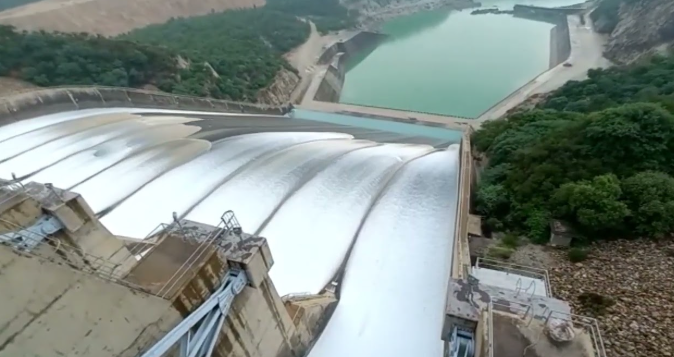
ISLAMABAD — The National Disaster Management Authority (NDMA) announced on Friday that the spillways of Tarbela Dam have been opened due to a significant increase in water flow in the Indus River. This surge is attributed to the rapid melting of glaciers and recent rainfall in the upper catchment areas.
What Happened
The NDMA reported that the decision to open the spillways was taken as a precautionary measure to manage the rising water levels in the Indus River, which have been exacerbated by climatic factors. The authority highlighted that the inflow of water into the Tarbela Dam has increased substantially, necessitating immediate action to prevent potential flooding downstream.
The spillways, which are designed to release excess water, were activated following a comprehensive assessment of the current hydrological conditions. According to NDMA officials, the current inflow at Tarbela Dam has reached critical levels, prompting the need to release water to maintain the dam’s structural integrity and ensure the safety of surrounding communities.
In a statement, an NDMA spokesperson emphasized the importance of monitoring the situation closely, noting that “the safety of the population living in the vicinity of the Indus River is our top priority.” The spokesperson also urged local authorities and residents to remain vigilant and adhere to any advisories issued by disaster management officials.
Background
Tarbela Dam, located on the Indus River in Khyber Pakhtunkhwa, is one of the world’s largest earth-filled dams. It plays a crucial role in Pakistan’s water management, irrigation, and power generation. The dam’s spillways are essential for regulating water levels, especially during periods of high inflow caused by seasonal changes and climatic variations.
Historically, the Indus River has been prone to flooding, particularly during the monsoon season when heavy rains can lead to rapid increases in water levels. The management of water resources in the region is critical for preventing flood-related disasters, which have caused significant damage and loss of life in the past.
Why It Matters
The opening of Tarbela Dam’s spillways is a significant event, reflecting the ongoing challenges posed by climate change and its impact on water resources in Pakistan. The rapid melting of glaciers, coupled with erratic rainfall patterns, has intensified the risk of flooding in the Indus River basin. This situation underscores the need for effective water management strategies and disaster preparedness to mitigate the potential consequences of such natural phenomena.
Economically, the management of water flow in the Indus River is vital for agriculture, which is a cornerstone of Pakistan’s economy. The river supports extensive irrigation systems that are crucial for crop production. Any disruption in water supply due to flooding can have severe repercussions on food security and livelihoods.
Socially, the safety of communities living near the Indus River is paramount. Flooding poses a direct threat to lives and property, necessitating timely interventions and robust disaster response mechanisms. The NDMA’s proactive approach in opening the spillways is a critical step in safeguarding these communities from potential harm.
Internationally, Pakistan’s handling of water resources is closely watched, given the transboundary nature of the Indus River, which flows into India. Effective management and cooperation are essential to ensure equitable water distribution and to prevent cross-border tensions.
Key Takeaways
- The NDMA has opened Tarbela Dam’s spillways due to increased water inflow from glacier melt and rainfall.
- This measure aims to manage rising Indus River levels and prevent downstream flooding.
- Tarbela Dam is crucial for water management, irrigation, and power generation in Pakistan.
- Effective water management is vital for economic stability and food security in the region.
- International cooperation is necessary for managing the transboundary Indus River.
Source Attribution
This article is based on official statements from the National Disaster Management Authority and other relevant authorities.














