
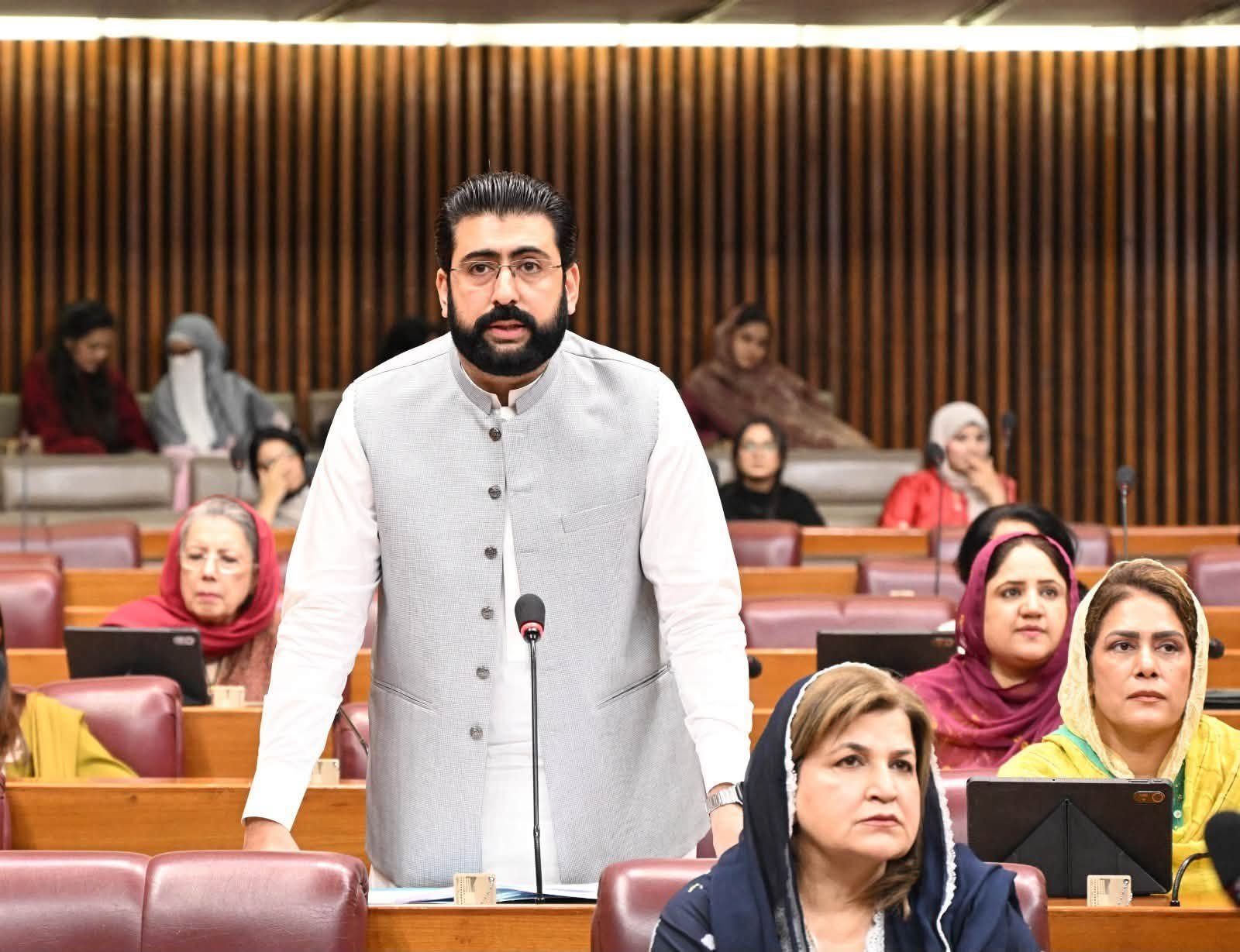
ISLAMABAD — A technical issue has caused delays in the schedule of Hajj flights, as reported by Parliamentary Secretary for Defence Division Raja Osama Sarwar to the National Assembly on Thursday. The disruption affected a flight bound for Jeddah and subsequently impacted four additional flights.
What Happened
During a session of the National Assembly, Raja Osama Sarwar addressed concerns regarding the delay of Hajj flights. He explained that a technical issue with a flight scheduled to depart for Jeddah was the primary cause of the disruption. This initial delay had a cascading effect, leading to the rescheduling of four subsequent flights.
Raja Osama Sarwar provided these details in response to a question raised during the Question Hour. He assured the assembly that efforts were underway to resolve the technical issues promptly to minimize further inconvenience to the pilgrims. “The technical team is actively working to address the problem and ensure the smooth operation of the remaining flights,” he stated.
The delay in Hajj flights has raised concerns among the pilgrims and their families, as the pilgrimage is a significant religious obligation for Muslims, and any disruption can cause considerable distress. The parliamentary secretary emphasized the importance of addressing these issues swiftly to uphold the commitments made to the pilgrims.
Background
Hajj, the annual Islamic pilgrimage to Mecca, is one of the largest religious gatherings in the world. Each year, millions of Muslims from around the globe travel to Saudi Arabia to perform the pilgrimage, which is a mandatory religious duty for Muslims who meet the necessary criteria of physical and financial capability.
Pilgrims from Pakistan constitute a significant portion of the attendees, and the government makes extensive arrangements to facilitate their travel and stay. The Ministry of Religious Affairs and Interfaith Harmony coordinates with airlines and other stakeholders to ensure a seamless experience for the pilgrims.
Technical issues and delays in flight schedules are not uncommon, given the scale of operations involved. However, such disruptions can lead to significant logistical challenges, affecting the overall experience of the pilgrims.
Why It Matters
The delay in Hajj flights is a matter of concern not only for the pilgrims directly affected but also for the broader community. Hajj holds immense spiritual significance, and any hindrance in fulfilling this religious duty can cause emotional and psychological stress for the pilgrims and their families.
Economically, delays can result in additional costs for both the pilgrims and the airlines involved. These costs may include extended accommodation, changes in travel arrangements, and potential penalties. Such financial implications can strain the resources of the pilgrims, many of whom save for years to undertake the pilgrimage.
Politically, the government’s ability to manage Hajj operations efficiently is often seen as a reflection of its competence in handling national affairs. Any failure to address logistical challenges can lead to public dissatisfaction and criticism.
On an international level, the smooth conduct of Hajj is crucial for maintaining Pakistan’s reputation as a country capable of managing large-scale religious events. Successful management of Hajj operations can enhance diplomatic relations with Saudi Arabia and other Muslim-majority countries.
Key Takeaways
- A technical issue caused delays in a Jeddah-bound Hajj flight, affecting four subsequent flights.
- Parliamentary Secretary for Defence Division Raja Osama Sarwar informed the National Assembly about the issue.
- The government is working to resolve the technical problems to minimize inconvenience to the pilgrims.
- Hajj holds significant religious, economic, and political implications for Pakistan.
- Efficient management of Hajj operations is crucial for maintaining Pakistan’s international reputation.
Source Attribution
This article is based on official government statements and public communications from relevant authorities.














