
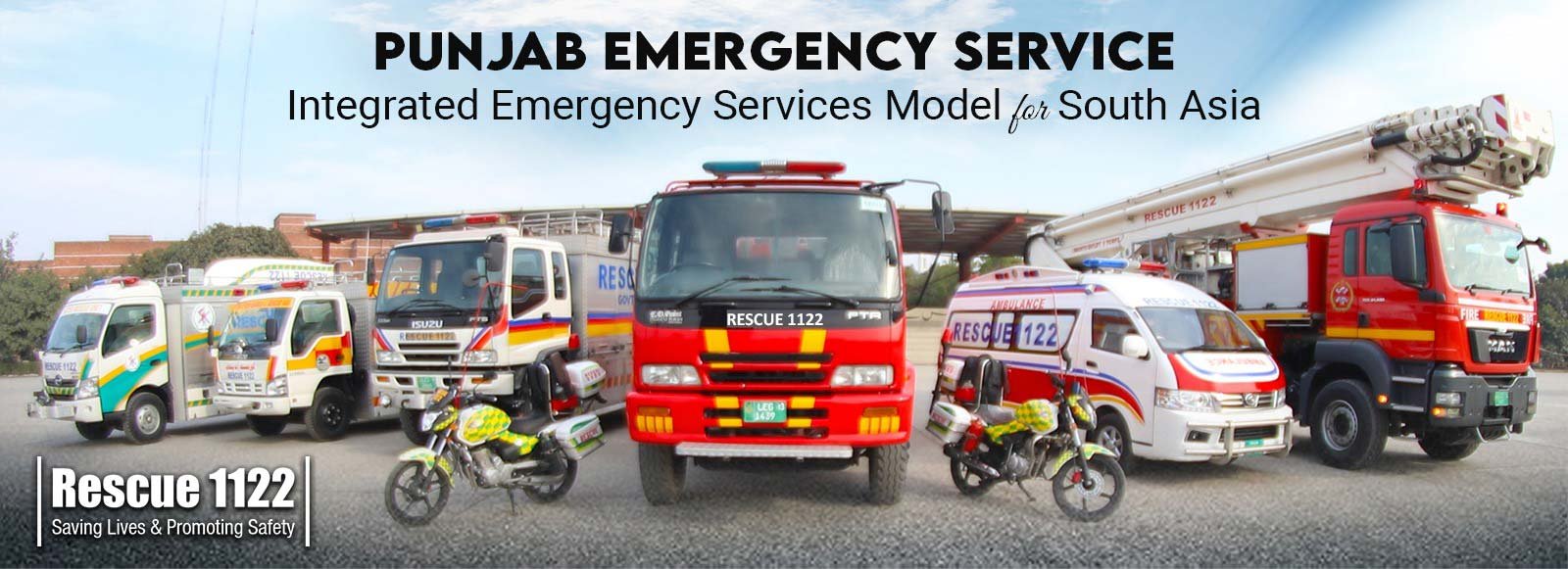
RAWALPINDI — Rescue 1122 teams successfully rescued 12 individuals from three separate rain-related emergencies in Rawalpindi on August 20, with no casualties reported.
What Happened
In a series of rain-induced emergencies in Rawalpindi, Rescue 1122 teams responded swiftly to save 12 people from potential danger. The incidents occurred at three different locations: Hakla Interchange, Shahbagh, and Kharkan village. At Hakla Interchange, three individuals were rescued, while five were saved in Shahbagh, and four more were brought to safety in Kharkan village. All rescued individuals were relocated to secure areas, ensuring their safety from the rising waters.
The rainfall had ceased across all nine rain gauges within the district, according to Rescue 1122. The water level at Katarian was recorded at seven feet and was steadily receding, while Gawalmandi’s water level stood at four feet and was also declining. Importantly, the water level in Nullah Lai remained below the pre-alert threshold, indicating a reduction in immediate flood risk.
Rescue 1122 has issued a public advisory urging citizens to exercise caution by avoiding crossing streams and drains. They also emphasized the importance of keeping children away from drains and electricity poles to prevent accidents. In case of emergencies, citizens were advised to contact Rescue 1122 immediately.
Background
Rawalpindi, like many parts of Pakistan, is prone to monsoon rains that often lead to flooding and related emergencies. The city has experienced significant rainfall in recent weeks, which has heightened the risk of flash floods and waterlogging in low-lying areas. Rescue 1122, an emergency service established in 2006, plays a crucial role in managing such situations by providing timely assistance and rescue operations.
The Nullah Lai, a stream running through Rawalpindi, is notorious for flooding during heavy rains. The local government has implemented various measures over the years to mitigate flood risks, including the installation of rain gauges and the construction of drainage systems. However, the rapid urbanization of the area continues to pose challenges in managing stormwater effectively.
Why It Matters
The prompt response by Rescue 1122 highlights the importance of having a well-prepared emergency response system in place, especially in regions susceptible to natural disasters. The successful rescue operations in Rawalpindi underscore the effectiveness of Rescue 1122’s training and readiness to handle emergencies, which can significantly reduce the potential loss of life and property.
Economically, flooding can have severe consequences for communities, disrupting daily life, damaging infrastructure, and affecting local businesses. The ability to respond quickly and efficiently to such incidents is crucial in minimizing these impacts and ensuring the safety of residents.
Socially, the incidents serve as a reminder of the vulnerabilities faced by communities living in flood-prone areas. It highlights the need for public awareness campaigns and community preparedness programs to educate citizens on how to respond during emergencies. The advisory issued by Rescue 1122 is a step in the right direction, emphasizing the importance of public cooperation in ensuring safety.
On a broader scale, these incidents reflect the challenges posed by climate change, which is expected to increase the frequency and intensity of extreme weather events. Pakistan, being highly vulnerable to climate change, must continue to invest in infrastructure and emergency services to mitigate these risks.
Key Takeaways
- Rescue 1122 successfully rescued 12 people from three rain-related incidents in Rawalpindi.
- Rainfall has ceased in the district, with water levels receding at key locations.
- Citizens are advised to avoid crossing streams and keep children away from drains and electricity poles.
- Rapid urbanization and climate change pose ongoing challenges for flood management in Rawalpindi.
- Public awareness and community preparedness are crucial in mitigating the impacts of natural disasters.
Source Attribution
The article is based on official government statements, press releases, and public communications from relevant authorities.














