
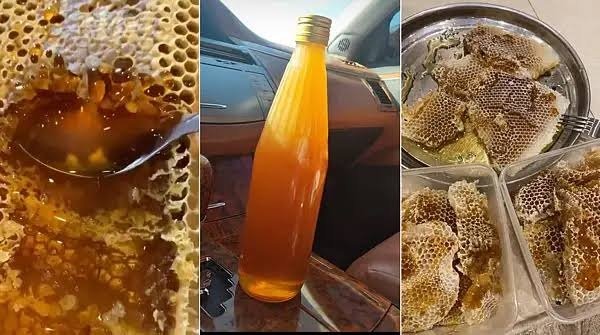
UMLUJ — Beekeepers in the Umluj Governorate of Saudi Arabia’s Tabuk Region have commenced the annual samr honey harvest, with production exceeding five tons this year. The harvest takes advantage of the abundant samr trees prevalent across the governorate’s plains and valleys, contributing to a significant yield.
What Happened
In the Umluj Governorate, known for its rich biodiversity, the samr honey harvest season has officially begun. Local beekeepers are experiencing a fruitful season, with production surpassing five tons. This year’s harvest is particularly notable due to the favorable conditions provided by the widespread presence of samr trees, which are indigenous to the region. These trees flourish in the plains and valleys of Umluj, creating an ideal environment for honey production.
Samr honey, derived from the nectar of the samr tree, is highly valued for its unique flavor and medicinal properties. The harvesting process involves careful extraction techniques to ensure the purity and quality of the honey. Beekeepers in the region employ traditional methods, honed over generations, to harvest the honey while preserving the delicate balance of the local ecosystem.
One local beekeeper stated, “The samr honey season is a crucial time for us. The trees have blossomed beautifully this year, and we are seeing a great yield. It’s a testament to the rich natural resources of Umluj.” The harvest not only supports the livelihoods of local beekeepers but also contributes to the region’s economy through both domestic sales and exports.
Background
The Tabuk Region, located in the northwestern part of Saudi Arabia, is renowned for its diverse flora and fauna. The samr tree, a species of acacia, is particularly abundant in this area. Historically, the region has been a hub for honey production, with beekeeping practices dating back centuries. The cultivation of samr honey is deeply embedded in the cultural heritage of the region, with traditional methods passed down through generations.
In recent years, there has been a growing global interest in samr honey due to its distinct taste and health benefits. This has led to increased efforts to promote and expand honey production in the region, aligning with broader initiatives to diversify the local economy and promote sustainable agricultural practices.
Why It Matters
The successful harvest of over five tons of samr honey in Umluj is significant for several reasons. Economically, it provides a vital source of income for local beekeepers and contributes to the region’s agricultural output. The honey industry in Umluj not only supports local livelihoods but also plays a role in Saudi Arabia’s broader economic diversification efforts.
Socially, the harvest reinforces the cultural traditions of the region, preserving the knowledge and skills associated with traditional beekeeping. This cultural heritage is an integral part of the community’s identity and offers opportunities for cultural tourism, attracting visitors interested in experiencing the unique aspects of the region’s agricultural practices.
Internationally, the increased production of samr honey positions Umluj as a key player in the global honey market. The distinctive qualities of samr honey, coupled with its health benefits, make it an attractive product for export. This can enhance Saudi Arabia’s reputation as a producer of high-quality, natural products, contributing to its standing in international markets.
Key Takeaways
- Umluj Governorate in Tabuk Region has commenced its annual samr honey harvest, yielding over five tons.
- The abundant presence of samr trees in the region’s plains and valleys has contributed to a bountiful harvest.
- Samr honey is valued for its unique flavor and medicinal properties, supporting local and export markets.
- The harvest is significant for local economic growth, cultural preservation, and international market positioning.
- Traditional beekeeping practices in Umluj are integral to the region’s cultural heritage and economic sustainability.
Source Attribution
This article is based on official government statements, press releases, and public communications from relevant authorities.














