
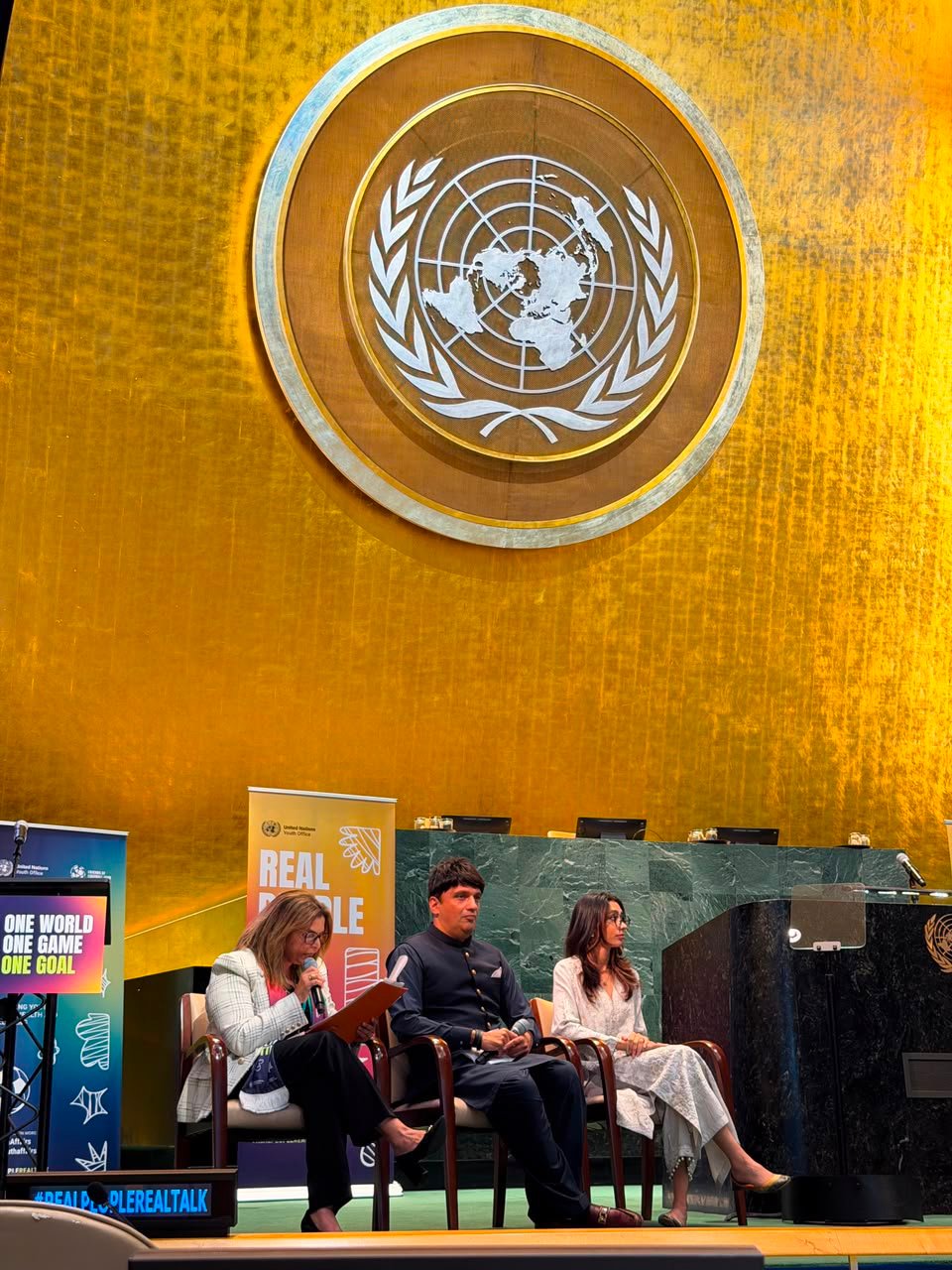
ISLAMABAD — Pakistan’s ‘Football for Mental Health’ initiative has garnered international acclaim at the United Nations (UN), where global leaders praised the Pakistan Football Federation’s innovative approach to promoting mental health awareness. The initiative aims to empower youth and foster positive social change through the sport of football.
What Happened
The ‘Football for Mental Health’ initiative was highlighted during the UN’s esteemed ‘One World, One Goal’ event, where representatives from various countries gathered to discuss the role of sports in societal development. The initiative, spearheaded by the Pakistan Football Federation, integrates football training with mental health education, aiming to break the stigma surrounding mental health issues and provide young people with coping mechanisms through sport.
According to the Pakistan Football Federation, the program has reached over 5,000 young participants across the country since its inception. The initiative not only focuses on developing football skills but also includes workshops and sessions led by mental health professionals. These sessions are designed to educate participants on mental health issues, promote emotional well-being, and encourage open discussions about mental health challenges.
UN officials commended Pakistan for its proactive approach in using football as a tool for mental health advocacy. A UN spokesperson stated, “Pakistan’s initiative is a shining example of how sports can be leveraged to address critical social issues and foster community engagement.” The initiative’s success has prompted discussions about its potential replication in other countries facing similar mental health challenges.
Background
Mental health has increasingly become a focal point of global health discussions, with the World Health Organization (WHO) emphasizing the importance of mental well-being as a component of overall health. In Pakistan, mental health issues have often been stigmatized, leading to a lack of awareness and resources. The ‘Football for Mental Health’ initiative was launched in response to these challenges, aiming to create a supportive environment where young people can learn about and discuss mental health openly.
The initiative aligns with Pakistan’s broader efforts to integrate mental health education into community programs. Previous initiatives have included school-based mental health awareness campaigns and community workshops. However, the use of football—a popular sport in Pakistan—has provided a unique platform to engage youth and address mental health in an accessible and relatable manner.
Why It Matters
The recognition of Pakistan’s ‘Football for Mental Health’ initiative at the UN underscores the growing importance of mental health on the international stage. By leveraging the universal appeal of football, the initiative not only addresses mental health issues but also promotes social cohesion and community development. This approach is particularly significant in a country like Pakistan, where mental health resources are limited, and societal stigma often prevents individuals from seeking help.
The initiative’s success highlights the potential for sports-based programs to drive social change and improve public health outcomes. By providing young people with the tools to understand and manage their mental health, the initiative contributes to a healthier, more resilient population. Furthermore, the international recognition of the program may encourage other countries to adopt similar strategies, potentially leading to a global movement towards sports-based mental health advocacy.
Economically, the initiative can have a positive impact by reducing the burden of mental health issues on healthcare systems and improving productivity. Socially, it fosters a sense of community and belonging among participants, which is crucial for mental well-being. Politically, the initiative enhances Pakistan’s image on the global stage as a leader in innovative health solutions.
Key Takeaways
- Pakistan’s ‘Football for Mental Health’ initiative received international recognition at the UN.
- The program integrates football with mental health education to empower youth.
- Over 5,000 young participants have been engaged since the initiative’s launch.
- The initiative addresses mental health stigma and promotes community engagement.
- International recognition may inspire similar programs in other countries.
Source Attribution
This article is based on official government statements, press releases, and public communications from relevant authorities.














