
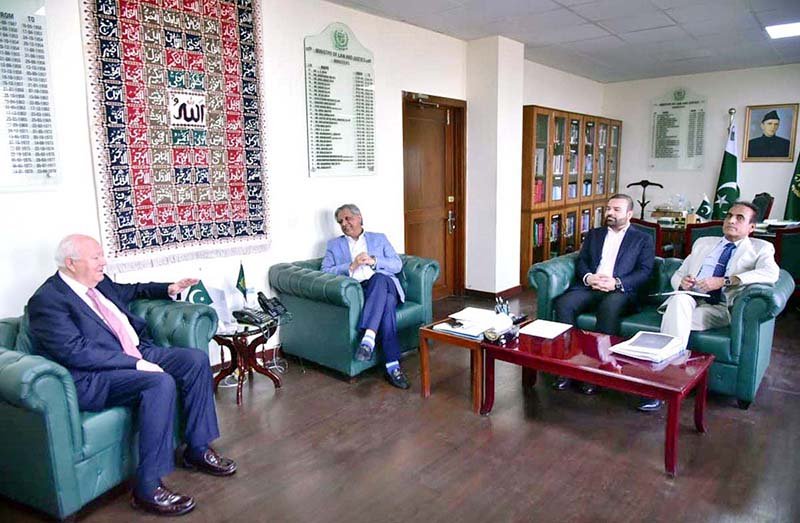
ISLAMABAD — Miguel Ángel Moratinos, United Nations Special Envoy to Combat Islamophobia and High Representative for the United Nations Alliance of Civilizations (UNAOC), met with Federal Minister for Human Rights, Senator Azam Nazeer Tarar, to discuss collaborative efforts in addressing Islamophobia and enhancing interfaith harmony. The meeting, held in Islamabad, also included Barrister Aqeel Malik, Minister of State for Law and Justice.
What Happened
During the meeting, Miguel Ángel Moratinos emphasized the importance of global cooperation in combating Islamophobia, a growing concern that affects millions worldwide. The discussions focused on developing strategies to promote interfaith dialogue and understanding, which are crucial in reducing religious tensions and fostering peace. Moratinos highlighted the need for a concerted effort by nations to address the root causes of Islamophobia and to implement educational programs that promote tolerance and respect among different faith communities.
Senator Azam Nazeer Tarar expressed Pakistan’s commitment to working with international partners to combat religious discrimination and promote human rights. He noted, “Pakistan has always been at the forefront of advocating for the rights of all religious communities, and we are eager to strengthen our cooperation with the United Nations in this regard.” The meeting underscored Pakistan’s role in international forums advocating for policies that protect minority rights and promote religious harmony.
Barrister Aqeel Malik, who was also present, reiterated the government’s dedication to upholding human rights and ensuring justice for all citizens. He stated, “Our legal framework is designed to protect the rights of all individuals, regardless of their religious beliefs, and we are committed to enforcing these laws to prevent discrimination and promote equality.”
Background
Islamophobia has been a persistent issue globally, with incidents of discrimination and violence against Muslims reported in various countries. The United Nations has been actively working to address this issue through initiatives like the UNAOC, which aims to foster intercultural dialogue and understanding. Pakistan, a predominantly Muslim country, has been vocal in international platforms about the need to combat Islamophobia and protect the rights of religious minorities.
Historically, Pakistan has faced challenges related to religious harmony, with instances of sectarian violence and discrimination against minority communities. The government has implemented several measures to address these issues, including legal reforms and awareness campaigns aimed at promoting tolerance and coexistence.
Why It Matters
The meeting between Moratinos and Pakistani officials is significant as it highlights the country’s proactive stance in addressing global challenges related to religious discrimination. By engaging with the United Nations, Pakistan is positioning itself as a key player in the international effort to combat Islamophobia and promote human rights.
Economically, fostering interfaith harmony can lead to a more stable and peaceful society, which is conducive to economic growth and development. Socially, promoting tolerance and understanding among different religious communities can reduce tensions and prevent conflicts, creating a more inclusive society.
Politically, Pakistan’s collaboration with international organizations like the UNAOC enhances its diplomatic standing and reinforces its commitment to global human rights standards. This cooperation can also lead to stronger ties with other nations that share similar values and objectives.
On an international level, addressing Islamophobia is crucial for maintaining global peace and security. By working together, countries can develop comprehensive strategies to counteract discrimination and promote a culture of peace and respect for all individuals, regardless of their religious beliefs.
Key Takeaways
- Miguel Ángel Moratinos met with Pakistani officials to discuss efforts to combat Islamophobia.
- The meeting focused on promoting interfaith harmony and strengthening human rights cooperation.
- Pakistan is committed to working with the UN to address religious discrimination globally.
- Fostering interfaith dialogue is crucial for social stability and economic development.
- International collaboration is essential for combating Islamophobia and promoting global peace.
Source Attribution
This article is based on official government statements, press releases, and public communications from relevant authorities.














