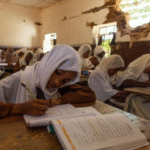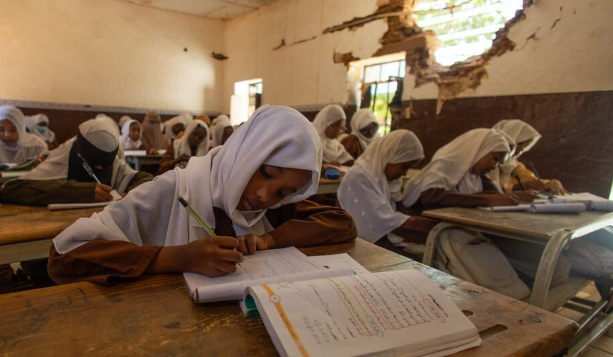
UNITED NATIONS — As the new academic year begins in the northern hemisphere, a shocking report reveals that 93 million children are deprived of education due to an unprecedented surge in attacks on learning institutions, according to the United Nations global fund, Education Cannot Wait.
What Happened
The report, released on Wednesday, highlights the severe impact of violence and insecurity on education systems worldwide. Education Cannot Wait, a UN fund dedicated to supporting education in emergencies, has raised alarms over the escalating number of attacks targeting schools, students, and educators. These attacks have resulted in the closure of numerous educational facilities, leaving millions of children without access to learning.
Yasmine Sherif, Director of Education Cannot Wait, stated, “Education is under attack on an unprecedented scale. The right to education is being violated for millions of children, which has long-term implications for their futures and for global stability.” The report underscores that the attacks are not confined to one region but are a global phenomenon, affecting countries across Africa, the Middle East, Asia, and Latin America.
In addition to direct attacks, the report cites factors such as displacement due to conflict, natural disasters, and economic instability as contributors to the growing number of children out of school. The COVID-19 pandemic has further exacerbated the situation, disrupting education systems worldwide and hindering recovery efforts.
Background
The issue of attacks on education is not new. Over the past decade, there has been a disturbing trend of increasing violence against educational institutions. The Global Coalition to Protect Education from Attack (GCPEA) has documented thousands of incidents where schools have been bombed, burned, or occupied by armed forces. This has led to international efforts to safeguard education, including the Safe Schools Declaration, an inter-governmental political commitment to protect students, teachers, and schools during armed conflict.
Despite these efforts, the frequency and severity of attacks have continued to rise, with devastating consequences for educational access and quality. The UN and other international bodies have repeatedly called for stronger measures to prevent and respond to these attacks, emphasizing the critical role of education in achieving peace and development goals.
Why It Matters
The implications of 93 million children being out of school are profound, affecting not only the individuals but also their communities and countries. Education is a fundamental human right and a key driver of economic development and social cohesion. Without access to education, children are more likely to fall into cycles of poverty, violence, and exploitation.
Economically, the loss of educational opportunities can lead to a significant reduction in a country’s potential for growth and innovation. Countries with high numbers of out-of-school children often face challenges in developing a skilled workforce, which is essential for competing in the global economy.
Socially, education plays a crucial role in promoting tolerance, understanding, and peace. Children who miss out on education are more vulnerable to recruitment by armed groups and are less likely to participate in civic life. This can perpetuate cycles of conflict and instability, undermining efforts to build sustainable peace.
Internationally, the situation calls for urgent action and increased investment in education in crisis-affected areas. The UN and its partners are urging governments, donors, and private sector actors to prioritize education in their humanitarian responses and development plans.
Key Takeaways
- 93 million children worldwide are out of school due to attacks on education and other factors.
- Education Cannot Wait highlights the global scale of the crisis, affecting multiple regions.
- Violence against educational institutions has been rising over the past decade.
- The lack of education has severe economic and social implications for affected countries.
- Urgent international action and investment are needed to address the crisis.
Source Attribution
This article is based on official statements and reports from the United Nations and Education Cannot Wait.