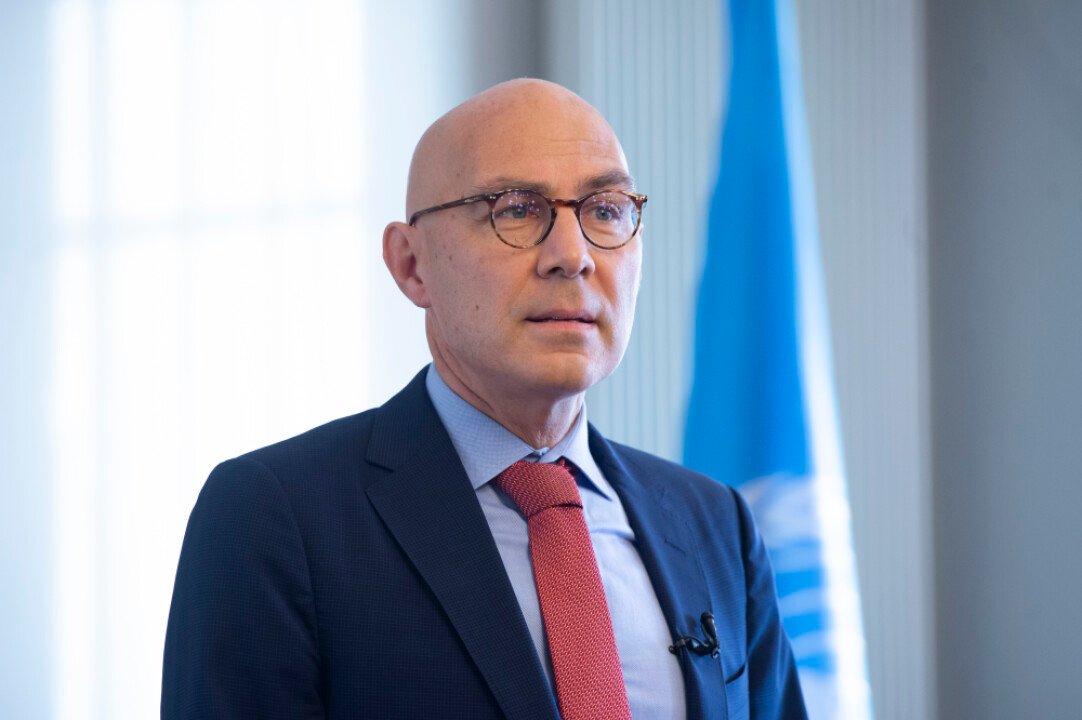
UNITED NATIONS — The United Nations Human Rights Chief Volker Turk has expressed grave concerns over the deteriorating situation in Afghanistan, highlighting the global community’s lack of response to the ongoing crisis. Since the Taliban’s return to power in 2021, the humanitarian and human rights conditions in the country have worsened significantly, leaving millions in dire straits.
What Happened
Volker Turk, the UN High Commissioner for Human Rights, addressed the international community on September 9, emphasizing the urgent need for action to address the escalating crisis in Afghanistan. “Today, the plight of many in Afghanistan is going from bad to worse,” Turk stated, underscoring the severe human rights violations occurring under the Taliban regime.
The Taliban’s takeover in August 2021 has led to widespread poverty and human rights abuses, with reports of women being denied basic rights and freedoms, and minorities facing persecution. Turk criticized the international community’s “deafening silence” in response to these violations, urging nations to step up their efforts to provide aid and support to the Afghan people.
The UN’s assessment indicates that millions of Afghans are living in poverty, with limited access to food, healthcare, and education. The economic collapse following the Taliban’s rise to power has exacerbated these issues, leaving the population vulnerable and in need of immediate assistance.
Background
Afghanistan has been in turmoil since the Taliban regained control of the country in August 2021, following the withdrawal of US and NATO forces. The Taliban’s strict interpretation of Islamic law has led to the imposition of harsh restrictions, particularly affecting women and girls, who have been barred from secondary and higher education and face severe limitations on their movement and employment.
The international community initially responded with sanctions and froze Afghan assets, aiming to pressure the Taliban into respecting human rights and forming an inclusive government. However, these measures have also contributed to the economic collapse, further worsening the humanitarian situation.
Despite some humanitarian aid reaching Afghanistan, the scale of the crisis demands a more coordinated and sustained international response. The UN and various non-governmental organizations continue to call for increased support and engagement to prevent further deterioration of conditions in the country.
Why It Matters
The situation in Afghanistan has far-reaching implications, not only for the Afghan people but also for regional stability and international security. The humanitarian crisis poses a significant challenge, with millions at risk of starvation and disease. The lack of access to basic services and education threatens to create a lost generation, with long-term consequences for the country’s development and stability.
The Taliban’s human rights abuses, particularly against women and minorities, have drawn widespread condemnation. However, the lack of a unified international response has allowed these violations to continue unchecked. This inaction risks emboldening other authoritarian regimes and undermines global efforts to promote human rights and democracy.
Moreover, the instability in Afghanistan could have broader geopolitical implications, potentially leading to increased refugee flows and providing a breeding ground for extremist groups. The international community’s failure to address these issues effectively could have serious repercussions for global security and humanitarian efforts.
Key Takeaways
- UN Human Rights Chief Volker Turk has called out the international community’s inaction on the Afghanistan crisis.
- Since the Taliban’s return to power in 2021, human rights abuses and poverty have increased significantly.
- The economic collapse and humanitarian crisis in Afghanistan demand urgent international intervention.
- The situation poses risks to regional stability and global security, with potential long-term consequences.
- Increased international support and coordinated efforts are needed to address the crisis and prevent further deterioration.
Source Attribution
This article is based on official statements from the United Nations and public communications from relevant authorities.