
UNITED NATIONS — Humanitarian aid workers are increasingly at risk as the use of armed drones in global conflicts rises, the United Nations reported on World Humanitarian Day, August 19. According to the UN Office for the Coordination of Humanitarian Affairs (OCHA), 907 aid workers were victims of violence in 2025, marking the second-highest annual death toll on record, with 350 fatalities.
What Happened
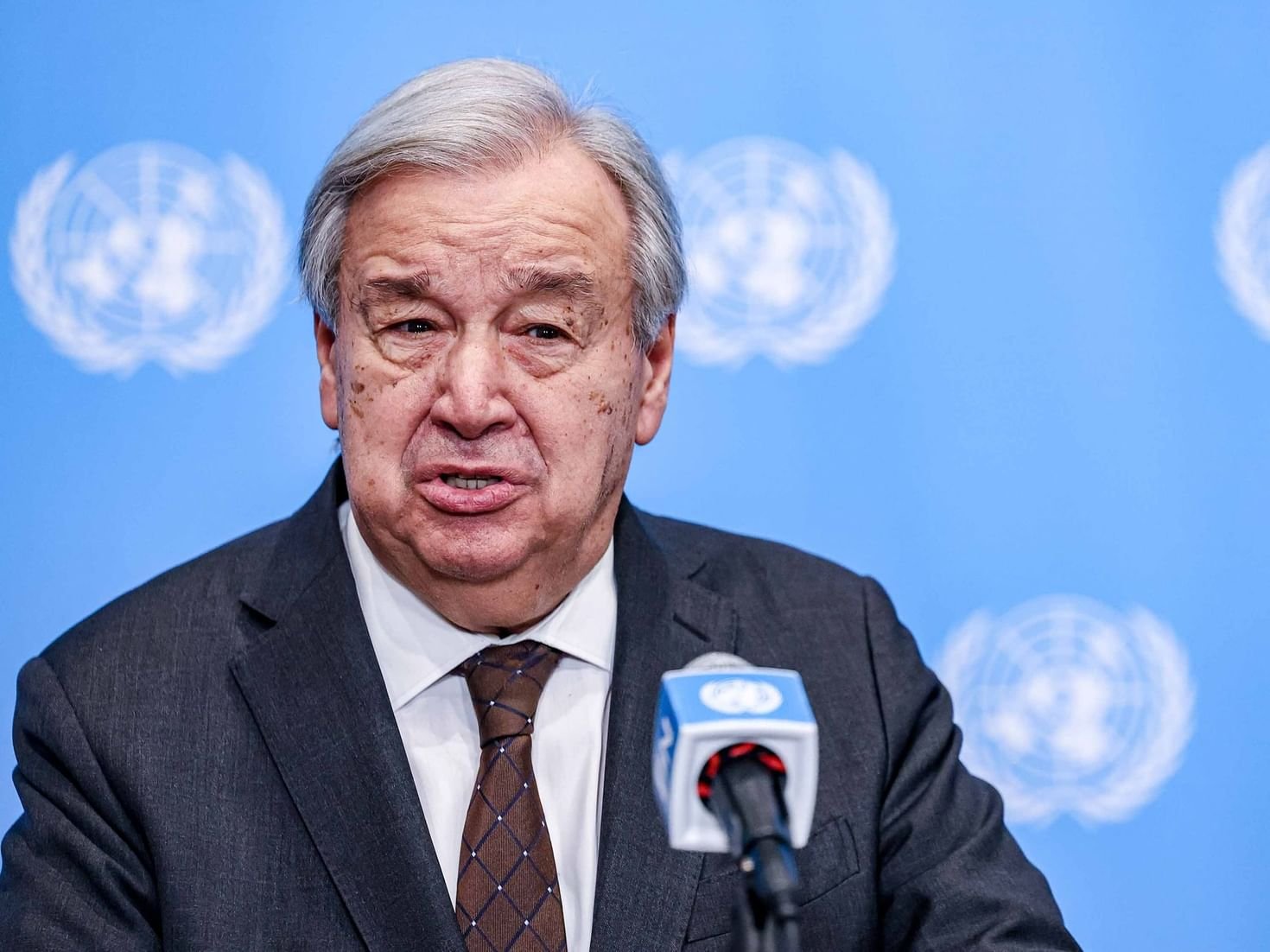
On World Humanitarian Day, the UN highlighted the growing dangers faced by humanitarian workers due to the proliferation of armed drones in conflict zones. UN Secretary-General António Guterres emphasized that aid workers are not only facing physical threats but also dealing with misinformation, funding reductions, and access restrictions. Speaking at a ceremony commemorating the 23rd anniversary of the UN headquarters bombing in Baghdad, Guterres urged staff to uphold the values for which their colleagues had sacrificed their lives.
In 2025, Gaza was the deadliest location for aid workers for the third consecutive year, with 186 fatalities, 68 percent of which were due to aerial bombardments. Sudan also saw a significant number of aid worker deaths, with 71 killed, primarily by small-arms fire. Other countries where aid workers faced severe security threats included Ukraine, Ethiopia, Syria, Haiti, Chad, and Cameroon.
The UN report also noted the increasing use of drones in warfare, which is altering the nature of conflicts. These weapons, which are relatively inexpensive and adaptable, can conduct attacks over long distances and are being deployed in populated areas. In Sudan, drones were responsible for 80 percent of civilian deaths in the first four months of 2026, targeting markets and health facilities. In Ukraine, drone attacks claimed 80 civilian lives in April alone, with similar incidents reported in Russia and Colombia.
Humanitarian and health workers are becoming more exposed to these attacks. The World Health Organization recorded 639 attacks on healthcare facilities and personnel this year. In March, a drone strike killed an aid worker in the Democratic Republic of the Congo, and four humanitarian convoys in Ukraine were attacked in May.
Background
The use of drones in warfare has been escalating over the past decade, with significant implications for international humanitarian law. Historically, drones have been employed for surveillance and targeted strikes, but their increasing use in populated areas raises concerns about civilian safety and the protection of humanitarian workers. The UN has repeatedly called for adherence to international humanitarian laws, which mandate the protection of civilians and aid personnel during conflicts.
World Humanitarian Day, observed annually on August 19, commemorates the 2003 bombing of the UN headquarters in Baghdad, which killed 22 staff members. It serves as a reminder of the ongoing risks faced by those providing humanitarian aid in conflict zones worldwide.
Why It Matters
The rise in drone warfare presents a significant challenge to humanitarian efforts globally. As conflicts become more technologically advanced, the safety of aid workers is increasingly compromised. This not only endangers the lives of those on the ground but also hampers the delivery of essential services to vulnerable populations.
The economic and social impact of these threats is profound. Humanitarian organizations are forced to divert resources to enhance security measures, which can limit their capacity to provide aid. Additionally, the psychological toll on aid workers, who operate under constant threat of attack, cannot be underestimated. This environment of insecurity may deter skilled personnel from participating in humanitarian missions, further straining the sector.
Internationally, the use of drones in warfare raises ethical and legal questions about the conduct of hostilities and the protection of non-combatants. The UN’s call for stronger protections underscores the need for global cooperation to address these challenges and ensure that humanitarian principles are upheld in conflict zones.
Key Takeaways
- The UN reports a rising threat to humanitarian workers due to increased drone warfare.
- In 2025, 907 aid workers were victims of violence, with 350 fatalities.
- Gaza and Sudan were among the deadliest regions for aid workers last year.
- Drones are increasingly used in populated areas, raising civilian and aid worker casualties.
- International humanitarian law requires the protection of civilians and aid personnel in conflict zones.
Source Attribution
This article is based on official government statements, press releases, and public communications from relevant authorities.














