
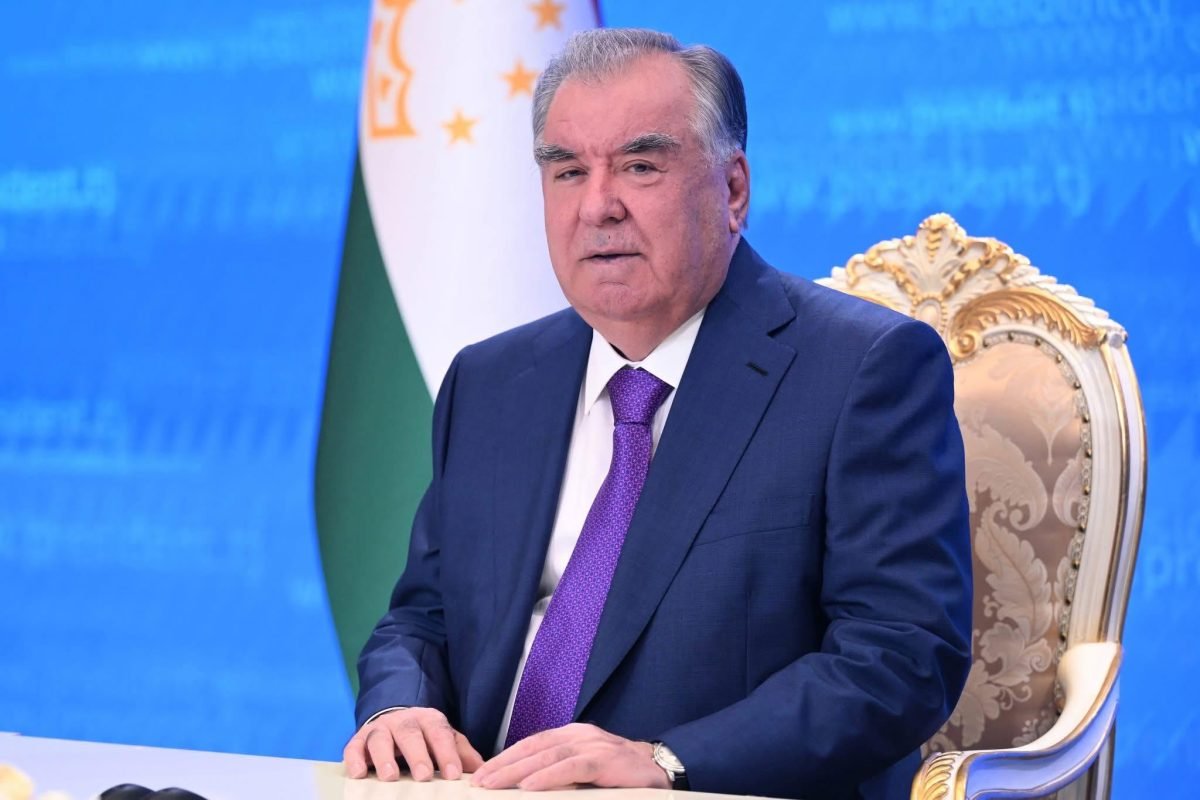
ISLAMABAD — The United Nations General Assembly (UNGA) has declared the years 2027 to 2036 as the “International Decade of Strengthening Peace for Future Generations.” This resolution, driven by Tajikistan’s President Emomali Rahmon, aims to bolster global peace, dialogue, and cooperation.
Resolution Details
The UNGA adopted the resolution during its session, showcasing a shared commitment to fostering a peaceful international atmosphere. President Rahmon highlighted the need for continuous efforts in peacebuilding and preventing conflicts. The resolution urges member states to address conflict roots, boost nations’ dialogue, and support global peace initiatives.
An official statement reveals the decade-long plan’s focus to “strengthen the foundations of peace and security, promote sustainable development, and ensure a safer world for future generations.” The strong support from numerous UN member states reflects the consensus on prioritizing peace efforts.
Significance of Rahmon’s Address
In his assembly speech, President Rahmon emphasized international cooperation to tackle global issues like poverty, inequality, and climate change, often fueling conflicts. He stated, “This decade will serve as a platform for nations to unite in their efforts to build a peaceful future, free from the scourge of war and violence.”
Background and Previous Efforts
Declaring a decade for peace is not a new concept at the United Nations. Past initiatives, such as the “International Decade for a Culture of Peace and Non-Violence for the Children of the World” (2001–2010), have laid the groundwork for such resolutions. These initiatives aim to mobilize international efforts and resources for comprehensive peacebuilding.
Tajikistan, with its past conflicts and peacebuilding challenges, has been a staunch advocate for international cooperation in peace efforts. Previously, it led UN initiatives on water cooperation and sustainable development, key components of peace and security.
Importance for Global and National Stability
The declaration holds several key significances. It highlights the urgent need for a coordinated global response to growing conflicts worldwide. The initiative targets both conflict symptoms and causes, including economic disparities, social injustices, and environmental issues.
Economically, enduring peace fosters stability, promoting investment and development. For countries like Pakistan, navigating complex geopolitical landscapes, such initiatives provide frameworks for regional cooperation and conflict resolution.
Socially, the decade encourages a culture of peace and dialogue, urging nations to use negotiation over conflict. This can reduce human and economic costs tied to war and violence.
Internationally, the resolution advocates for a multilateral peacebuilding approach, strengthening the UN as a central dialogue and cooperative platform. It aligns with the UN’s Sustainable Development Goals, especially Goal 16 focusing on peace, justice, and strong institutions.
Key Takeaways
- The UNGA has declared 2027–2036 as the “International Decade of Strengthening Peace for Future Generations.”
- President Rahmon of Tajikistan initiated the resolution, emphasizing sustained peacebuilding efforts.
- The initiative addresses root conflict causes, promotes sustainable development, and supports global peace initiatives.
- The resolution aligns with UN Sustainable Development Goals, particularly peace and strong institutions.














