
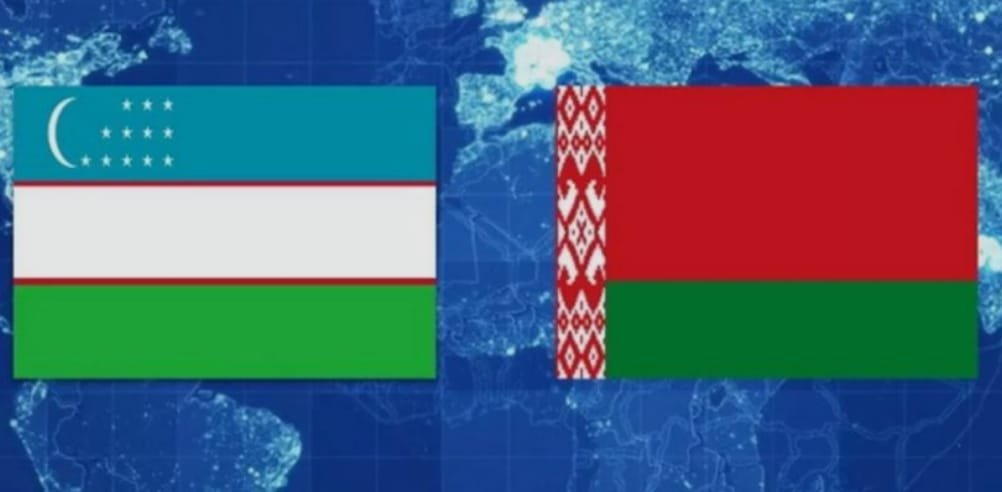
ISLAMABAD — Uzbekistan and Belarus have further solidified their economic ties by entering into new trade and investment agreements focused on agriculture. This development took place during the Belagro–2026 International Agricultural Exhibition and Fair, which was held in Minsk from June 1 to 6, 2026. The event saw the participation of an official Uzbek delegation, emphasizing both nations’ dedication to enhancing their agricultural cooperation.
What Happened
The Belagro–2026 International Agricultural Exhibition and Fair served as the backdrop for the latest agreements between Uzbekistan and Belarus. During the event, both countries engaged in discussions that resulted in a series of trade and investment deals aimed at boosting their agri-food sectors. These agreements are expected to facilitate the exchange of agricultural products, technology, and expertise between the two nations.
The Uzbek delegation, led by high-ranking officials, met with their Belarusian counterparts to explore opportunities for collaboration in various agricultural domains. The discussions centered on enhancing the production and supply chain processes, which are crucial for meeting the increasing demand for agricultural goods in both countries. The agreements also include provisions for joint ventures and technology transfer, which are anticipated to enhance productivity and efficiency in the agri-food sector.
According to a statement from the Uzbek delegation, “The partnership with Belarus is a strategic step towards achieving sustainable agricultural growth. By sharing knowledge and resources, we aim to improve our agricultural output and meet the challenges of food security.”
Background
Uzbekistan and Belarus have a history of cooperation in the agricultural sector, with previous agreements focusing on the exchange of agricultural machinery and technology. Both countries have recognized the importance of agriculture as a key driver of economic growth and have sought ways to leverage their respective strengths in this area.
Belarus, known for its advanced agricultural machinery and expertise in dairy and meat production, has been a valuable partner for Uzbekistan, which is seeking to modernize its agricultural sector. The two countries have previously collaborated on projects aimed at improving irrigation systems and increasing crop yields.
The Belagro exhibition, held annually in Belarus, is a significant event that attracts participants from various countries, providing a platform for showcasing innovations in agriculture and fostering international partnerships.
Why It Matters
The new trade and investment agreements between Uzbekistan and Belarus hold significant implications for both countries’ economies. For Uzbekistan, these agreements represent an opportunity to modernize its agricultural sector, which is a vital component of its economy. By accessing Belarusian technology and expertise, Uzbekistan can enhance its agricultural productivity, which is crucial for ensuring food security and supporting rural livelihoods.
For Belarus, the partnership with Uzbekistan opens up new markets for its agricultural products and machinery. This is particularly important as Belarus seeks to diversify its export destinations amidst changing global trade dynamics. The collaboration also aligns with Belarus’s strategy to strengthen its ties with Central Asian countries, thereby expanding its influence in the region.
On a broader scale, the agreements contribute to regional stability by fostering economic cooperation and interdependence. As both countries work together to address common challenges in agriculture, they set a precedent for other nations in the region to pursue similar partnerships.
Key Takeaways
- Uzbekistan and Belarus have signed new trade and investment agreements focused on agriculture during the Belagro–2026 exhibition.
- The agreements aim to enhance agricultural productivity through technology transfer and joint ventures.
- Uzbekistan seeks to modernize its agricultural sector by leveraging Belarusian expertise.
- Belarus benefits from new markets for its agricultural products and machinery.
- The partnership contributes to regional stability by promoting economic cooperation.
Source Attribution
This article is based on official government statements, press releases, and public communications from relevant authorities.














