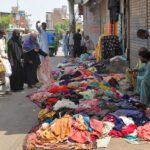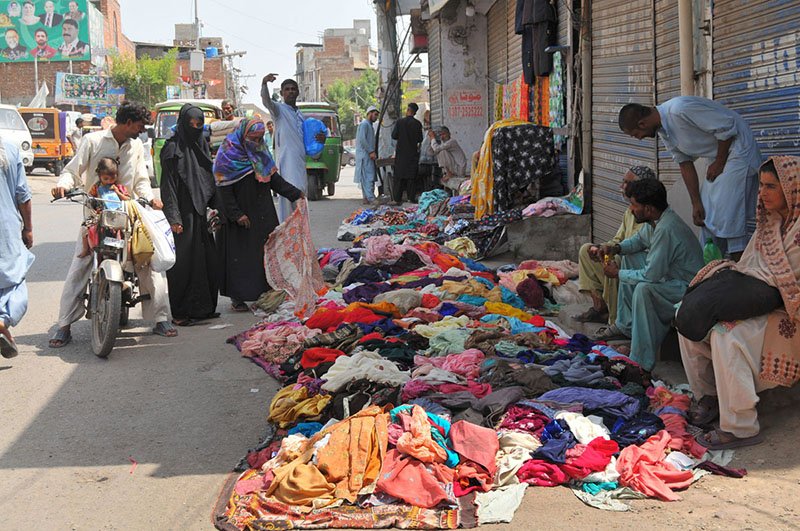
MULTAN — Vendors in Multan have set up vibrant displays of colorful garments along the roadsides, drawing in a steady stream of shoppers eager to explore the offerings at the city’s bustling markets. The lively scene is a testament to the enduring appeal of street markets in Pakistan, where customers can find a wide array of clothing options at competitive prices.
What Happened
In the heart of Multan, vendors have strategically positioned their stalls along the roadsides, showcasing an array of colorful garments to attract potential buyers. These displays are not only eye-catching but also serve as a beacon for shoppers navigating the busy market streets. The vendors, adept at marketing their wares, have created a dynamic shopping environment that caters to a diverse clientele.
Shoppers, ranging from local residents to tourists, are seen browsing through the collections, which include traditional attire, casual wear, and more contemporary fashion pieces. The market’s atmosphere is vibrant, with the hustle and bustle of bargaining and the exchange of goods creating a lively backdrop. One vendor remarked, “Our aim is to provide quality garments at prices that everyone can afford. The roadside setup allows us to reach more customers.”
The market scene in Multan is not just about commerce; it is a cultural experience. The interaction between vendors and shoppers is a dance of negotiation and mutual respect, with each party seeking the best deal. This dynamic is part of what makes street markets an enduring feature of Pakistani urban life.
Background
Street markets have long been a staple of Pakistani cities, offering a wide range of goods from fresh produce to textiles. In Multan, these markets are particularly renowned for their vibrant displays and the variety of goods available. Historically, markets have served as community hubs, where people not only shop but also socialize and exchange news.
In recent years, the rise of shopping malls and online retail has posed challenges to traditional markets. However, the unique experience offered by street markets, with their personal interactions and the opportunity to physically inspect goods, continues to draw customers. In Multan, the tradition of street vending remains strong, supported by a local economy that values both affordability and variety.
Why It Matters
The vibrant garment displays in Multan’s markets are more than just a commercial activity; they are a reflection of the city’s cultural and economic vitality. For many vendors, these markets are a primary source of income, supporting families and contributing to the local economy. The affordability of goods ensures that a wide demographic can access quality clothing, which is particularly important in a country where income disparity remains a significant issue.
Moreover, these markets play a crucial role in preserving cultural traditions. The garments on display often include traditional Pakistani attire, which helps keep cultural heritage alive in an increasingly globalized world. For shoppers, the market experience offers a connection to their cultural roots and a sense of community.
On a broader scale, the success of street markets in cities like Multan highlights the resilience of traditional commerce in the face of modern retail challenges. It underscores the importance of supporting local economies and the small businesses that are their backbone. As Pakistan continues to develop, balancing modernity with tradition will be key to ensuring sustainable economic growth.
Key Takeaways
- Vendors in Multan attract shoppers with vibrant roadside garment displays.
- Street markets remain a vital part of Pakistan’s cultural and economic landscape.
- These markets provide affordable clothing options for a diverse clientele.
- Street markets support local economies and preserve cultural traditions.
- The resilience of traditional markets highlights the importance of balancing modern retail with cultural heritage.
Source Attribution
This article is based on official government statements, press releases, and public communications from relevant authorities.