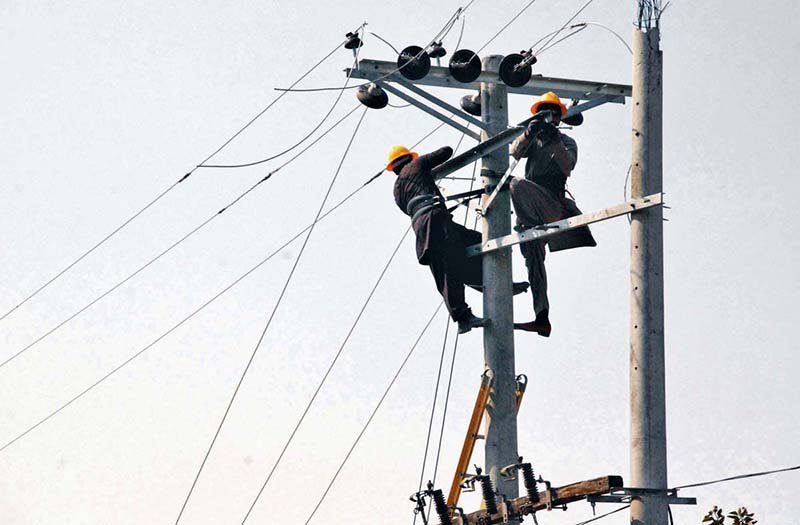
BAHAWALPUR — The Water and Power Development Authority (WAPDA) has embarked on a significant infrastructure project, with its staff actively installing new electric wires on poles throughout Bahawalpur. This initiative, underway since early October, aims to enhance the electricity distribution network in the region, ensuring more reliable power supply to residents.
What Happened
The installation of new electric wires by WAPDA staffers in Bahawalpur is part of a broader effort to upgrade the electricity infrastructure across Pakistan. The project involves replacing outdated wiring systems with modern, high-capacity cables capable of handling increased electrical loads. This is expected to reduce power outages and improve the overall efficiency of electricity distribution.
According to WAPDA officials, the installation process is progressing smoothly, with teams working diligently to complete the task within the stipulated timeframe. “Our teams are working round the clock to ensure that the new wiring is installed safely and efficiently,” a WAPDA spokesperson stated. The project not only aims to enhance the reliability of the power supply but also to support future expansions in the electricity grid.
The initiative is part of WAPDA’s ongoing commitment to modernize the national power infrastructure, which is crucial for meeting the growing energy demands of Pakistan’s expanding population and industrial sector. The new wires are designed to withstand extreme weather conditions, thereby reducing the risk of power failures during adverse weather events.
Background
WAPDA has been at the forefront of Pakistan’s efforts to improve its power infrastructure. Established in 1958, the authority has been responsible for the development of water and power resources in the country. Over the years, WAPDA has undertaken numerous projects to expand and upgrade the electricity distribution network, addressing both urban and rural needs.
Pakistan’s power sector has faced numerous challenges, including outdated infrastructure, energy shortages, and financial constraints. These issues have necessitated a comprehensive approach to reform and investment in the power sector. The current wire installation project in Bahawalpur is part of a series of initiatives aimed at overcoming these challenges and ensuring a stable power supply.
Why It Matters
The installation of new electric wires in Bahawalpur is a critical step towards improving the reliability and efficiency of the power supply in the region. For the residents of Bahawalpur, this means fewer power outages and a more stable electricity supply, which can significantly enhance the quality of life and economic productivity.
Economically, a more reliable power supply can attract investment and support local businesses by reducing operational disruptions caused by power failures. This is particularly important for small and medium-sized enterprises that rely heavily on consistent electricity to maintain their operations.
On a broader scale, the project reflects Pakistan’s ongoing efforts to modernize its energy infrastructure in line with international standards. By investing in such infrastructure projects, the country is positioning itself to better meet future energy demands and support sustainable economic growth.
Furthermore, the successful implementation of these projects can serve as a model for other regions in Pakistan, demonstrating the benefits of modernizing the power grid and encouraging further investment in the energy sector.
Key Takeaways
- WAPDA is installing new electric wires on poles in Bahawalpur to improve power reliability.
- The project is part of a broader effort to modernize Pakistan’s electricity infrastructure.
- Residents can expect fewer power outages and a more stable electricity supply.
- Improved power supply can boost local economic activities and attract investment.
- The initiative aligns with Pakistan’s goals to meet future energy demands sustainably.
Source Attribution
This article is based on official government statements, press releases, and public communications from relevant authorities.